Online Reporter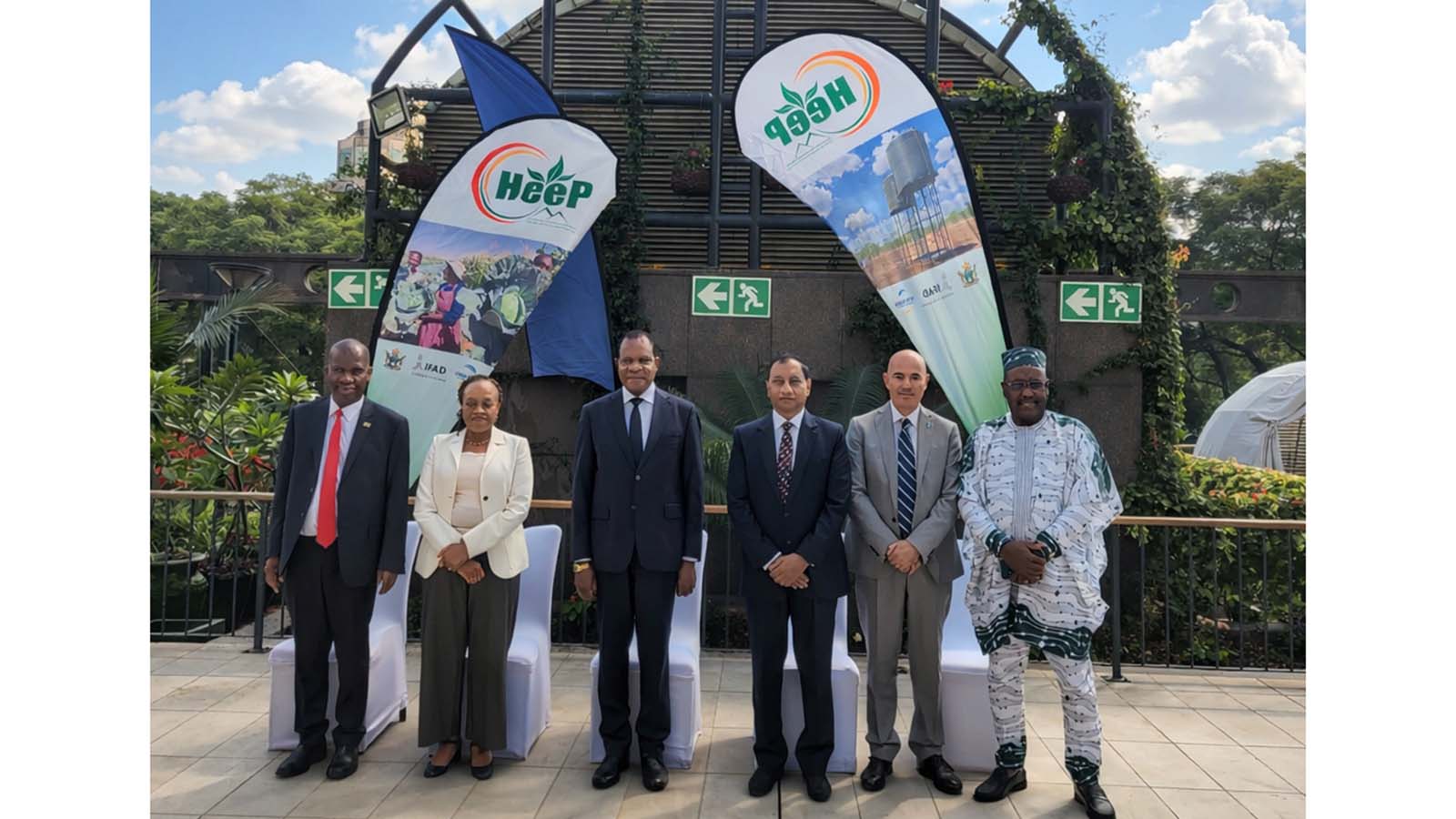
Obey Musiwa
Herald Reporter
ZIMBABWE is set to transform agriculture from subsistence farming into a driver of industrialisation, with the Government and the International Fund for Agricultural Development (IFAD) affirming that rural communities must be empowered to anchor Vision 2030.
This emerged at the Country Strategic Plan Evaluation (CSPE) workshop held in Harare on Wednesday, where emphasis was on scaling innovations, value addition, inclusivity, and climate‑smart practices as the pillars of building an agro‑industrial hub for Southern Africa.
In this regard, Agriculture, Rural Development and Water Resources Development Minister Hon Dr Anxious Jongwe Masuka said agriculture must evolve into a business at every scale, driving food sovereignty, livelihoods, and industrialisation.
“Agriculture must be a business at every scale from household to estate. Zimbabwe does not wish to become a bread basket of anyone, it now wants to become an agricultural industrial hub,” he said.
Minister Masuka said climate‑smart agriculture and inclusive rural business units are essential to empower women, youth, and schools and ensure long‑term resilience and transformation.
“We must embrace climate‑proof agriculture with science‑based, fact‑driven approaches like conservation and regenerative models,” he said.
“We are establishing 11 000 school business units so that learners can see opportunities beneath their feet, in agriculture and mining, to transform Zimbabwe.”
The workshop, convened by the Independent Office of Evaluation department of IFAD, highlighted how IFAD’s investments and evaluations can catalyse rural transformation and industrial growth.
Independent Office of Evaluation director Dr Indran Naidoo said he confirms IFAD’s relevance and alignment with Zimbabwe’s priorities, highlighting resilience through irrigation, climate‑smart practices, and social inclusion.
“The independent office of evaluation undertakes impartial and evidence‑based evaluations to enhance the impact of IFAD-supported operations,” he said.
“The Zimbabwe country program served as a fertile space for technological, institutional, and social innovations that address water scarcity, climate stress, and malnutrition.”
IFAD Department for Country Operations regional director Ms Sara Mbango-Bhunu, on behalf of her associate vice president Mr Donal Brown, said IFAD’s role is to scale successful innovations, strengthen value addition, and ensure inclusivity for women and youth, deepening the impact of agricultural programs.
“We need to crowd in more technologies… now that we have built the infrastructure around village‑based business units,” she said.
“If we can add value, give them the skill sets, equipment, and digital tools, we’ll be able to deepen the impacts of our work.”