Online Reporter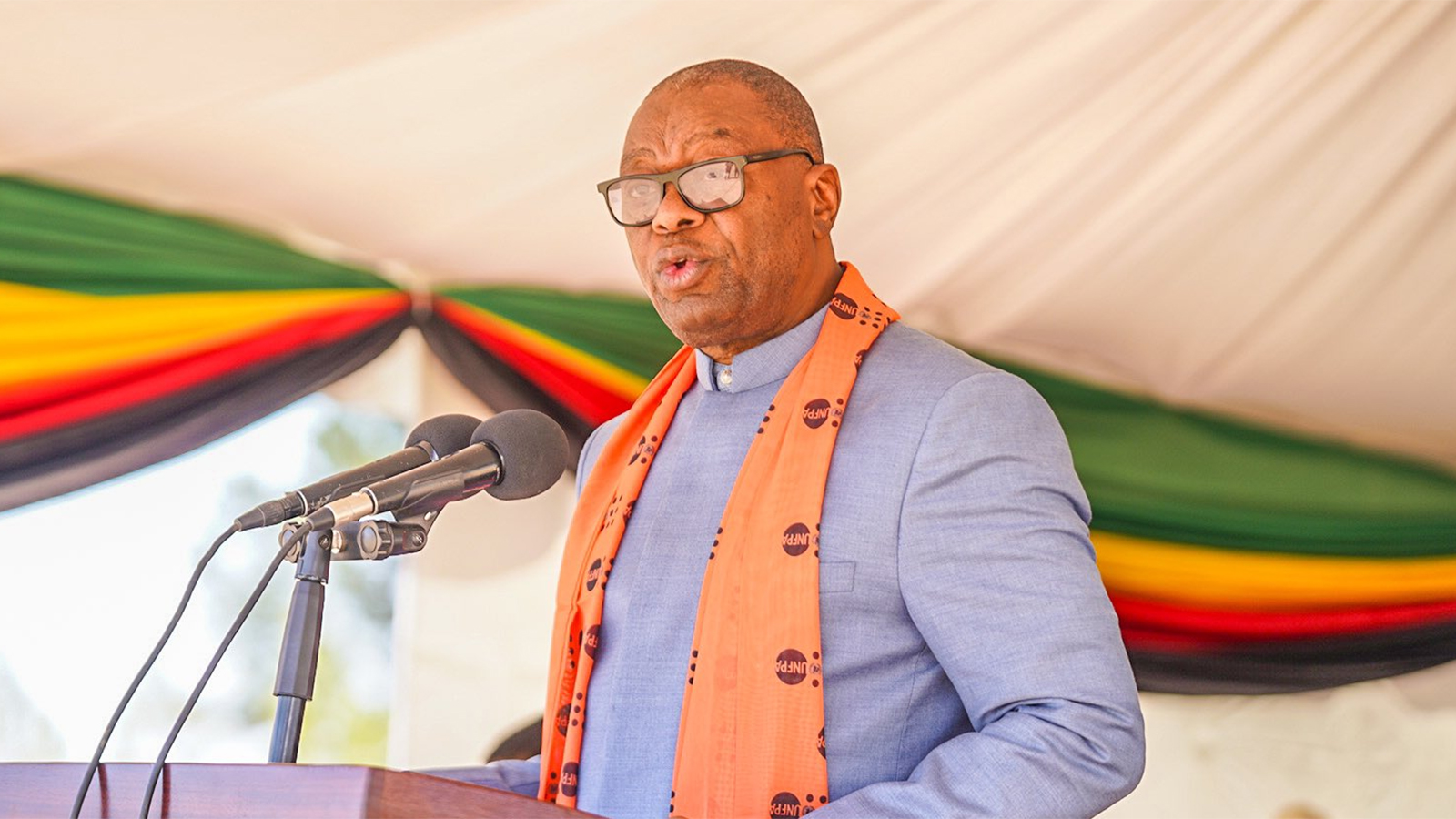
Herald Reporter
The Government has recruited three forensic pathologists from Cuba to enhance the country’s ability to conduct post-mortems, addressing the ongoing shortage of experts in this field.
Health and Child Care Minister Dr Douglas Mombeshora told the National Assembly on Wednesday that the new specialists began work on October 1, 2025, and will help reduce the burden that has been carried by Zimbabwe’s only remaining local forensic pathologist.
Forensic pathologists are highly trained medical specialists who investigate the cause of death in suspicious or unexplained circumstances.
Their work goes beyond ordinary pathology by combining medical science with legal processes, providing crucial evidence in murder trials, accident investigations, and cases involving sudden or unexplained deaths.
Because of their unique training, which can take up to four years after medical school, forensic pathologists are in short supply worldwide and even harder to retain in countries like Zimbabwe, where better pay and working conditions abroad fuel brain drain.
Dr Mombeshora said the shortage of forensic pathologists had forced families and investigators to transport bodies across provinces to major hospitals in Harare and Bulawayo, such as Parirenyatwa Group of Hospitals, Sally Mugabe, Chitungwiza, Mpilo, and United Bulawayo Hospitals.
This process, he said, was “cumbersome” and costly for grieving families, as it required the presence of relatives, investigating officers, and the transfer of remains over long distances.
“Of late, there have been challenges with post-mortems, especially forensic,” he said.
“These specialised procedures are indeed conducted by forensic pathologists who possess distinct training and expertise beyond that of general pathologists.
“We have only one qualified forensic pathologist at the moment. We have relied on recruiting from outside the country.
“We have just recruited three more forensic pathologists from Cuba, and they are supposed to start work today, October 1, 2025. These will actually help us in terms of carrying out forensic post-mortems.”
A forensic post-mortem, also known as a medico-legal post-mortem, is an autopsy carried out when foul play, crime, or unusual circumstances are suspected.
Unlike routine post-mortems, which focus on medical findings, forensic post-mortems are conducted with strict legal procedures to ensure that the evidence gathered can stand in court.
This often involves collaboration with law enforcement agencies, with relatives and police investigators required to be present during the examination.
“It was very difficult for one forensic pathologist to move around the country and in other hospitals, especially our district hospitals,” he added. “The mortuaries are not equipped with the equipment to carry out forensic pathology. As a result, dead bodies had to be moved either to Sally Mugabe, Parirenyatwa, or Chitungwiza in Harare, and the same in Bulawayo—Mpilo Hospital or UBH.
“The pathologists will then give days to go to Bulawayo or do pathology examinations here in Harare. We hope that the incoming of the three new forensic pathologists will make their job much easier and may be able to go to other provincial hospitals where the equipment is available and carry out those pathology examinations.”
He added that beyond recruitment, the Government had also begun laying the foundation for local training to ensure long-term sustainability. “We are all aware that we have had a challenge of brain drain,” said Dr. Mombeshora. “At some stage, we had more than three in the country who were trained.” Interest among local doctors in specialising in the field has also been low, he said, given its demanding nature and limited visibility compared to other medical careers.
“However, of those who have been recruited, they are also going to help us set up training locally, to train our doctors to become forensic pathologists. Then again, this is a long-term process because it takes about four years to train a forensic pathologist. Therefore, we hope that by next year, we will be training more, and then in the coming four years, that is when we may see more forensic pathologists coming out. We still hope that in the short term, we may be able to recruit more from Cuba.”
He said plans are underway to equip provincial hospitals with modern mortuaries and pathology laboratories so that cases can be handled closer to where they occur, reducing the burden on families and the police.