admin
admin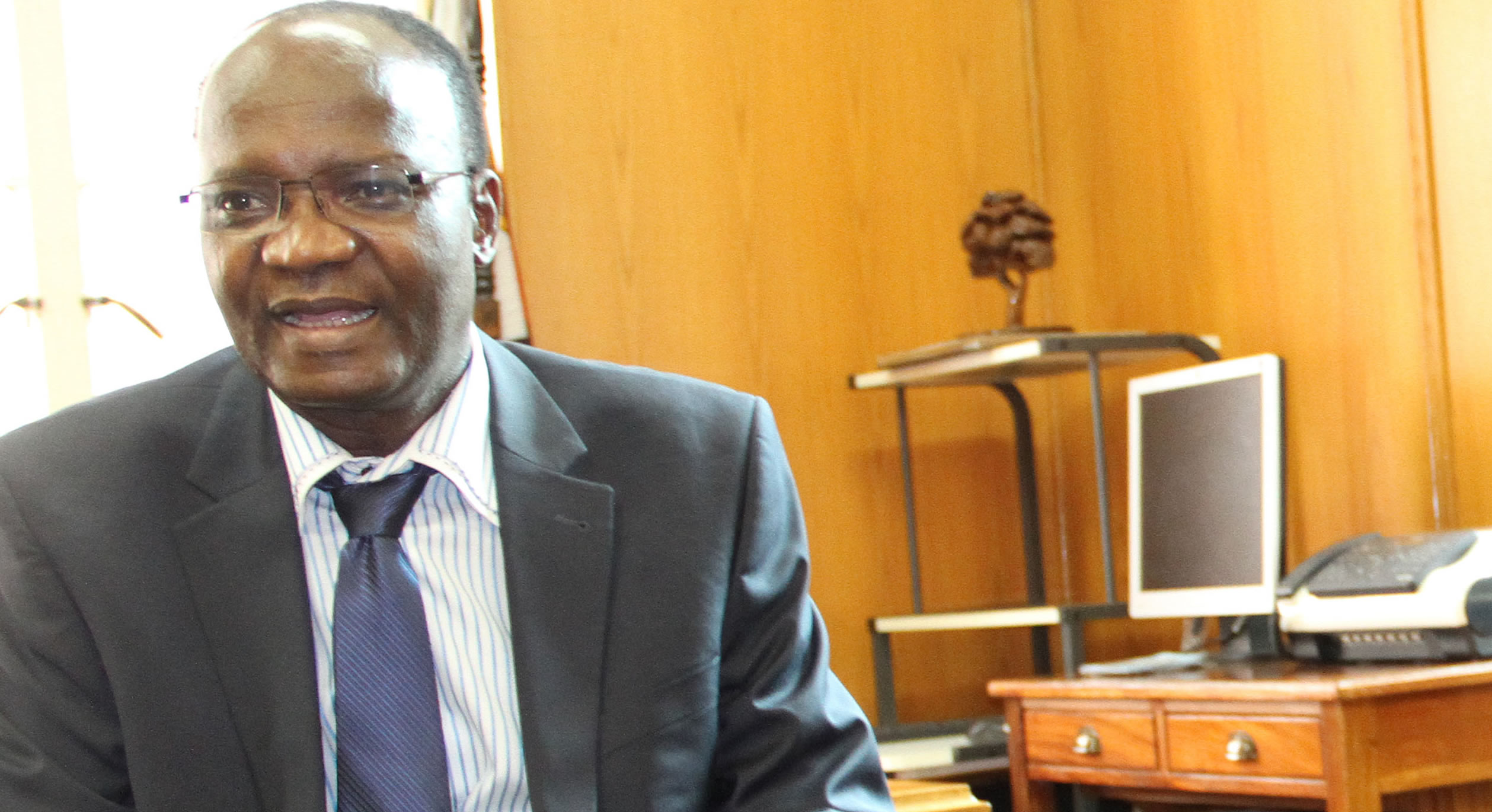
Harare Bureau
GOVERNMENT has so far digitalised 10 transmission sites out of the 48 required in an exercise that will require $173 million, Information, Media and Broadcasting Services Minister Prof Jonathan Moyo has said.
Giving oral evidence before the Parliamentary Portfolio Committee on Information, Media and Broadcasting Services in Harare on Thursday, Prof Moyo said in addition to the already existing 24 transmission sites, the country required 24 more.
Prof Moyo said to complete the initial process of digitalising all the 48 sites, government required $30 million.
“Once you have digitalised your transmission sites, you need to digitalise the source of the signal distribution in this case it’s the studio,” he said.
“For ZBC, as the national public broadcaster, we need $70 million for that to be done.”
Prof Moyo said after this exercise, ZBC would need to kick-start the digital content production and the process would need $5 million.
“This will call for a radically new regulatory framework for the Broadcasting Authority of Zimbabwe which would need at least $5 million to move from the analogue system to the new system,” he said.
An additional $1,5 million would be needed for receivers and monitoring equipment to be used by BAZ.
He said since the major focus on digitalisation was on the public broadcaster, the country needed a total of $61 million to clear ZBC’s debt of $51 million and a further $10 million for the restructuring process.
“So, the country needs $173 million in total between now and June 17, 2015 to complete the process of digitalisation,” Prof Moyo said.
The major challenge that had been stifling progress for digitalisation was inadequate funding.
Prof Moyo said with favourable policies, the country could raise at least $200 million through digital dividends.
The digitalisation process had a capability of creating free space, which could then be used by mobile operators at a fee.
“It’s a matter for policy, it’s a matter for deliberation here,” said Prof Moyo.
“If that is done, we could get that money now. Other countries have used the digitalisation process to pay for itself.”
Prof Moyo said once that was done, Zimbabwe would be able to meet the June 17, 2015 deadline for the International Telecommunications Union (ITU) for the world to migrate from analogue to digital broadcasting.
Sadc had set its own regional deadline of December 31, 2013 which Zimbabwe, along with eight other regional countries, missed.
Only South Africa, Namibia, Mauritius and Tanzania have migrated to DTT in Sadc.
By digitalising, players are moving from very high frequency (VHF) modulation to ultra high frequency (UHF) modulation and this allows for more channels on one frequency.
For example, where there is one channel on one frequency with analogue, there will be up to 20 channels on that same frequency with digitalisation.


 Online Reporter