Rutendo Nyeve-Victoria Falls Reporter
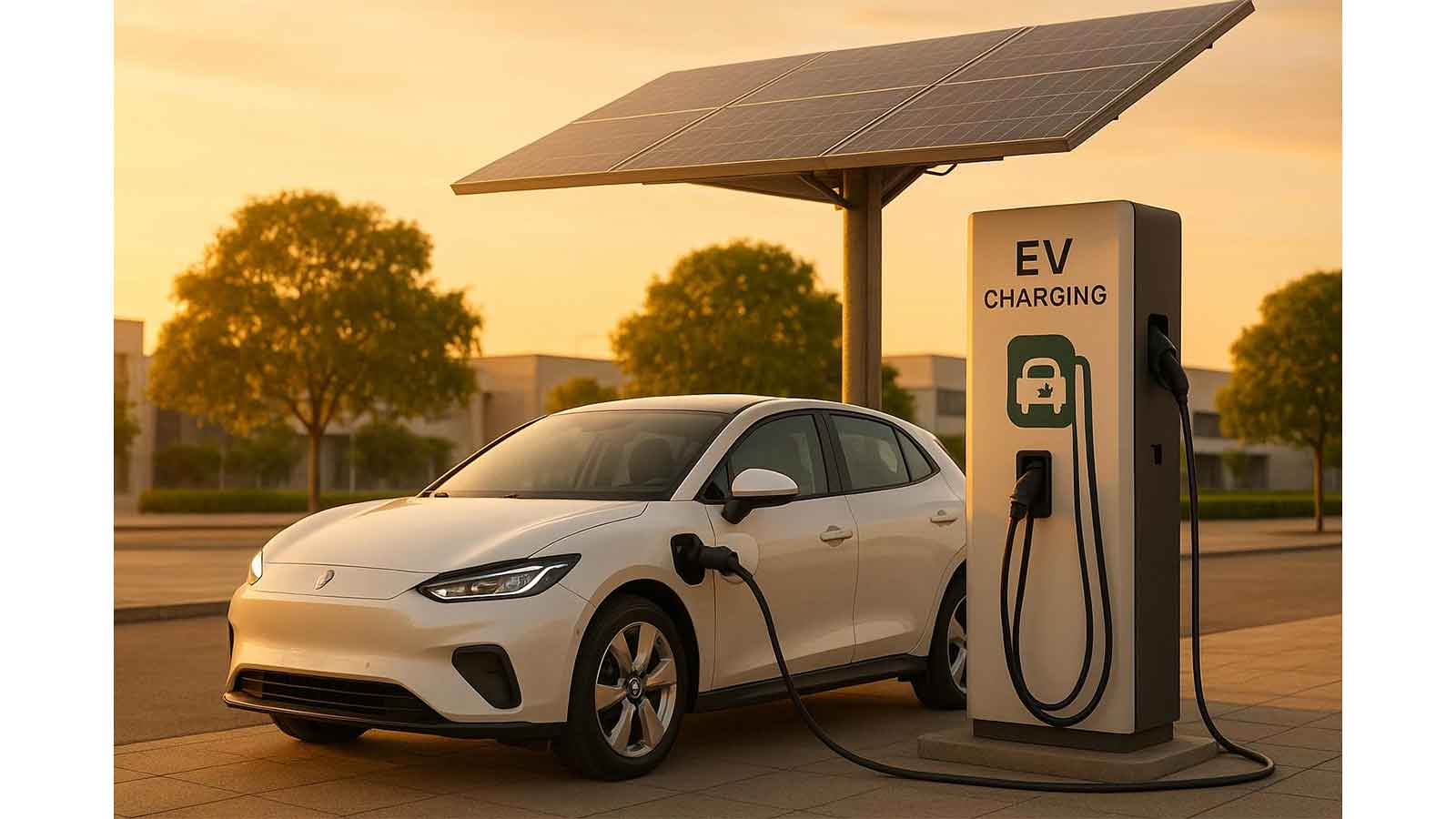
GOVERNMENT, through the Central Mechanical and Equipment Department has mobilised a fleet of over 44 fully electric vehicles, demonstrating that the future of public transport is not only sustainable but remarkably affordable.
The parastatal stole the limelight at the recently held SADC Sustainable Energy Week in Victoria Falls, where it exhibited its cutting-edge electric vehicle (EV) technology aimed at driving renewable energy adoption across the region.
Vice President Dr Constantino Chiwenga opened the high-level gathering on behalf of President Mnangagwa where Zimbabwe pitched its numerous breakthrough in energy production before regional delegates and strides in renewable energy, in particular. Vice President Kembo Mohadi also conducted a tour of the displays and was shown the CMED exhibits of the electric vehicle fleet.
The EV display showcased how Zimbabwe is leapfrogging into a new era of green mobility with long-term cost effective benefits.
CMED’s diverse electric fleet, which is already operational, includes light motor vehicles, commuter omnibuses (kombis), mini-buses, and luxury coaches.
These are currently providing shuttling and public transport services in various parts of the country, including the resort city of Victoria Falls.
However, the most striking revelation at the energy expo was the cost reduction associated with powering these vehicles.
According to CMED, an electric bus can travel 400 kilometres, the exact distance between Harare and Bulawayo on a full charge that costs US$25.
In an interview on the sidelines of the recent SADC Sustainable Energy Week, CMED senior sales and marketing officer, Mr Morgan Kagande, explained the viability of the technology, demonstrating how the vehicles can even be charged using basic home solar systems.
“We have a breakthrough here where we are showcasing our electric vehicles that we use for hiring, shuttling, and school access,” he said.
“We are showcasing the sustainability of these vehicles by way of charging. This is a home solar system we use for lighting and TV, but here we are trying to show you how compatible these vehicles are with a very small amount of energy,” said Mr Kagande.
He demonstrated the process using a modest 13kV solar battery supported by just two 65-watt solar panels.
Mr Kagande noted that such a system is more than capable of keeping the vehicles operational.
“This solar power system can power a vehicle to travel around 600 kilometres per single charge,” he explained, gesturing to a 22-seater, 100 percent electric mini-bus on display. There is no need for fuel, the only drink that this car drinks is water for your air conditioning.”
Mr Kagande elaborated on the economics of the vehicle, which combines environmental sustainability with practical savings.
“On a full charge, it travels 400 kilometres. By 400 kilometres, what I mean is you travel from Harare to Bulawayo on one charge.
“When it is full, the amount of electricity one needs to charge this vehicle to its full capacity is worth US$25 dollars of electricity,” he said.
Beyond the cost benefits, Mr Kagande highlighted the operational advantages of the fleet.
“Apparently, our buses have no sound; that’s sustainable for you. It’s just by the touch of your button; you step and you start pressing. It can even reach the speed of up to 140 kilometres an hour, just like our normal buses. The only thing is this one is electric, and others use fossil fuel,” he said.
CMED is not stopping at simply importing vehicles. The company is actively building the necessary ecosystem to support a nationwide transition to electric mobility.
“We have a fleet of more than 44, 100 percent electric vehicles, including light motor vehicles, mini-buses, luxury buses, and a large bus,” Mr Kagande confirmed.
“We are already in the process of establishing infrastructure to be commensurate with these vehicles, including charging stations in major cities, as well as assembling these vehicles here in Zimbabwe.”
The vehicles are already a common sight in key economic hubs.
“Already our fleets are into shuttling services here in Victoria Falls for airport transfers and other tourism shuttling services,” he said.
Locally, CMED is expanding its footprint into the commuter market.
“With regards to our bigger buses, while others are already into shuttling services, we are introducing a new route from Mt Pleasant to Harare CBD to cater for University of Zimbabwe students. We look forward to gradually rolling them out to other cities and provinces soon,” he said.
Environmental experts say the adoption of electric vehicles presents a viable, silent, and cost-effective alternative for the future of public transport through sustainable energy.
Across Africa, EV’s adoption is accelerating, projected to grow from about $0.45 billion in 2025 to $4.2 billion by 2030, with a 56.3 percent annual growth rate, estimates show.
Driven by high fuel costs, air quality concerns, and government incentives, adoption is already strongest in two- and three-wheelers, with Kenya, Rwanda, Ethiopia, and South Africa leading in market growth.