admin
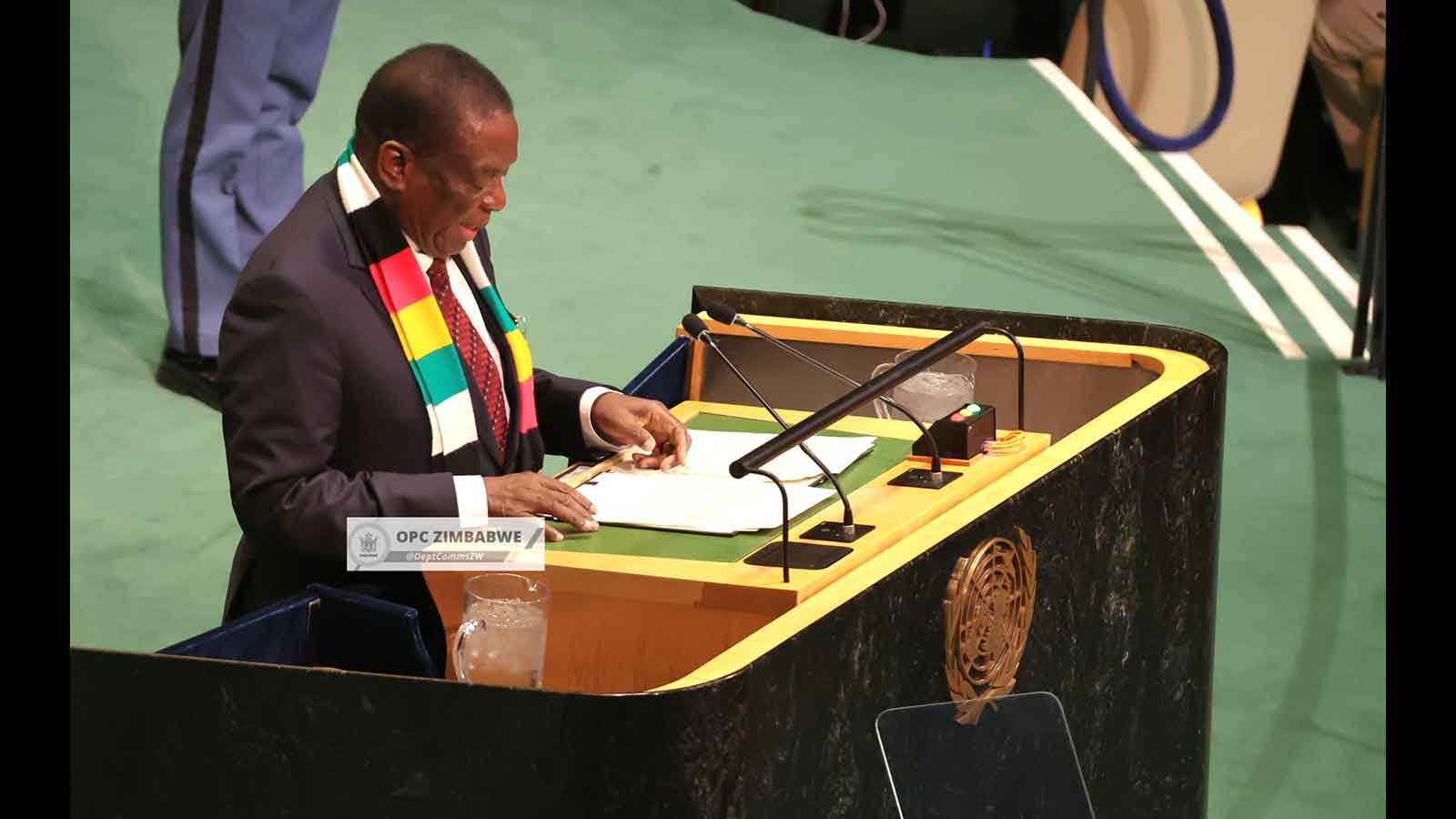
adminsigning of the Bippa.
Economic Planning Minister Tapiwa Mashakada and Russia’s Minister of Industry and Trade Mr Denis Mantrurov signed on behalf of the two countries.
Dr Sibanda said the economic relations between the two countries were “not that high”, but the agreement would result in the growth of the economy.
“We are working on signing Bippas with all countries belong to the BRICS economic bloc (Brazil, Russia, India, China and South Africa),” he said.
“Russia is a member of the BRICS, which are experiencing very high levels of economic growth and development. So the signing was a very important milestone for Zimbabwe.”
The two remaining members of the BRICS with which Zimbabwe will seek to sign investment agreements are Brazil and China. Investment from Russian would largely be targeted in priority areas espoused in the Government’s five-year Medium Term Plan.
Dr Sibanda said the Bippa was critical for increasing confidence among investors at a time foreign investment has been reduced to a trickle.
The FDI inflow rose by 133 percent to US$387 million last year, according to the United Nations Development Programme World Investment Report for 2012.
The FDI inflow is “just a drop in the ocean” compared with the US$9 billion that went to oil-rich Angola. The former Portuguese colony has registered double-digit growth since the end of civil war in 2002.
Dr Sibanda said the economic accord with Russia could spark interest from other foreign investors, as the Bippa demonstrated Zimbabwe’s commitment to ensuring safety and viability of foreign investment.
Zimbabwe recently signed a similar economic agreement with neighbours South Africa and Botswana. The agreement with the latter paved way for the release of US$70 million in lines of credit.
Strong economic and trade relations with Russia are expected to open up opportunities for Zimbabwe, considering the European country is a major player in the world economy and is ranked ninth.
Russia, with its US$1,8 trillion Gross Domestic Product, has shown interest in investing in energy and mining. Zimbabwe presents limitless opportunities in that regard, as it seeks to spur growth after a decade of economic instability. Among the companies represented were oil and gas giant Rosneft, Russian Technologies and GPB
Global Resources. GPB Global Resources is an international group of companies, engaged in petroleum and mineral resource projects in various parts of the globe, including Africa, Latin and South America, and the Middle East. Russia is predicting 4,5 percent growth this year, but this is expected to go down to 3,9 percent in 2013 which is still considered good compared to neighbouring European countries.
The Zimbabwe economy declined in the decade from 1999, which saw its GDP plunging by about 50 percent. But the economy has registered successive growth after the dollarisation of the economy in 2009.
The economy registered 9,3 percent growth last year, and is expected to achieve 5,6 percent growth this year, largely on the back of strong performance in the mining and agricultural sectors.


 Online Reporter