Online Reporter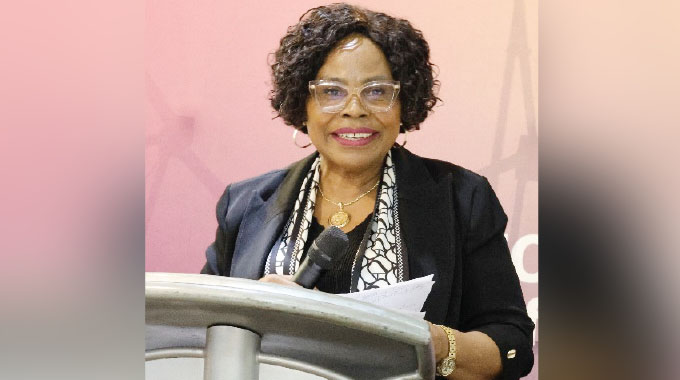
Sikhanyisiwe Ncube
Herald Correspondent
ZIMBABWE has showcased its women empowerment initiatives at the Women’s Forum held on the sidelines of the 1st Africa–EU Parliamentary Assembly in Ezulwini, Eswatini.
Organised by the Organisation of African, Caribbean and Pacific States (OACPS), the forum ran under the theme: “Empowering women in agricultural value chains as drivers of economic development within the framework of the UN International Year of the Woman Farmer.”
It brought together representatives from OACPS African Regional Parliamentary Groups and the Africa–EU Parliamentary Assembly, providing a platform for policymakers, development partners and gender advocates to discuss strategies for advancing women’s economic empowerment through agriculture and inclusive value chains.
The forum was officially opened by European Union Parliament Second Co-Vice President, Ms Ingeborg Ter Laak.
It was chaired by Botswana National Assembly Deputy Speaker, Helen Pushie Manyeng.
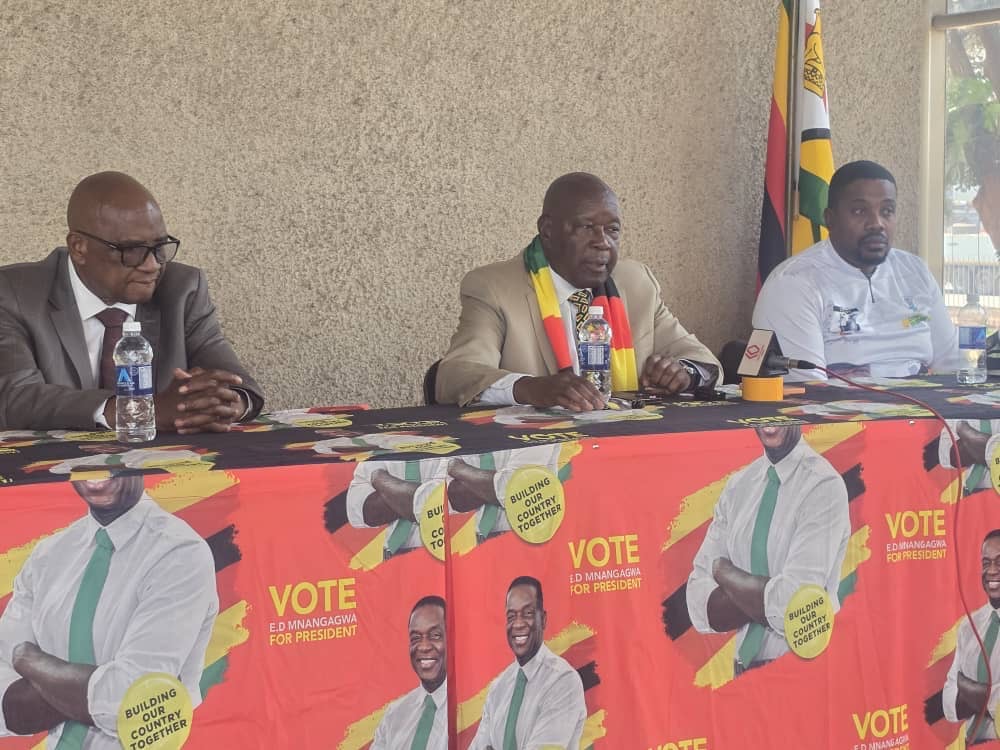
Zimbabwe was represented by Women Affairs, Community, Small and Medium Enterprises Development Minister, Senator Monica Mutsvangwa, and Deputy Senate President, Mike Nyambuya, and other legislators.
In her remarks, Minister Mutsvangwa said Zimbabwe’s approach to women empowerment is rooted in the liberation struggle, where women actively participated in the fight for freedom, equality and economic inclusion.
She said women continue to play a central role across agricultural value chains as farmers, processors, traders and entrepreneurs, although many still face barriers in accessing land, finance, technology, markets and decision-making opportunities.
Minister Mutsvangwa spoke about the progress recorded under President Mnangagwa through constitutional and legislative reforms, equal access to education, land ownership and targeted economic empowerment programmes aligned to Vision 2030 and the national development thrust of leaving no one and no place behind.
Other interventions include land tenure reforms for women, women-focused agricultural financing through institutions such as the Zimbabwe Women’s Microfinance Bank, cooperative development, export-led agricultural growth and decentralised economic planning under the devolution agenda.
Minister Mutsvangwa called for stronger regional cooperation through frameworks such as the African Continental Free Trade Area, stressing the need for cross-border trade, regional processing hubs, harmonised standards and improved logistics to support women-led agricultural enterprises.
She urged governments, development partners, financial institutions and the private sector to invest in women-led value chains, technology transfer, market access and inclusive financing models, saying Africa’s economic transformation and future food systems depend on the empowerment of women.
The forum also highlighted the need to close inequality gaps, strengthen data collection and use for informed decision-making, and address barriers limiting women’s full participation in economic development.
Opening discussions at the forum underscored the importance of the gathering within the renewed Africa–European Union partnership under the Samoa Agreement.
Participants noted that the discussions were timely as the United Nations has designated 2026 as the International Year of the Woman Farmer, recognising women’s critical role in food security, economic resilience, environmental stewardship and community development.