Online Reporter
Takunda Gambiza
Herald Reporter
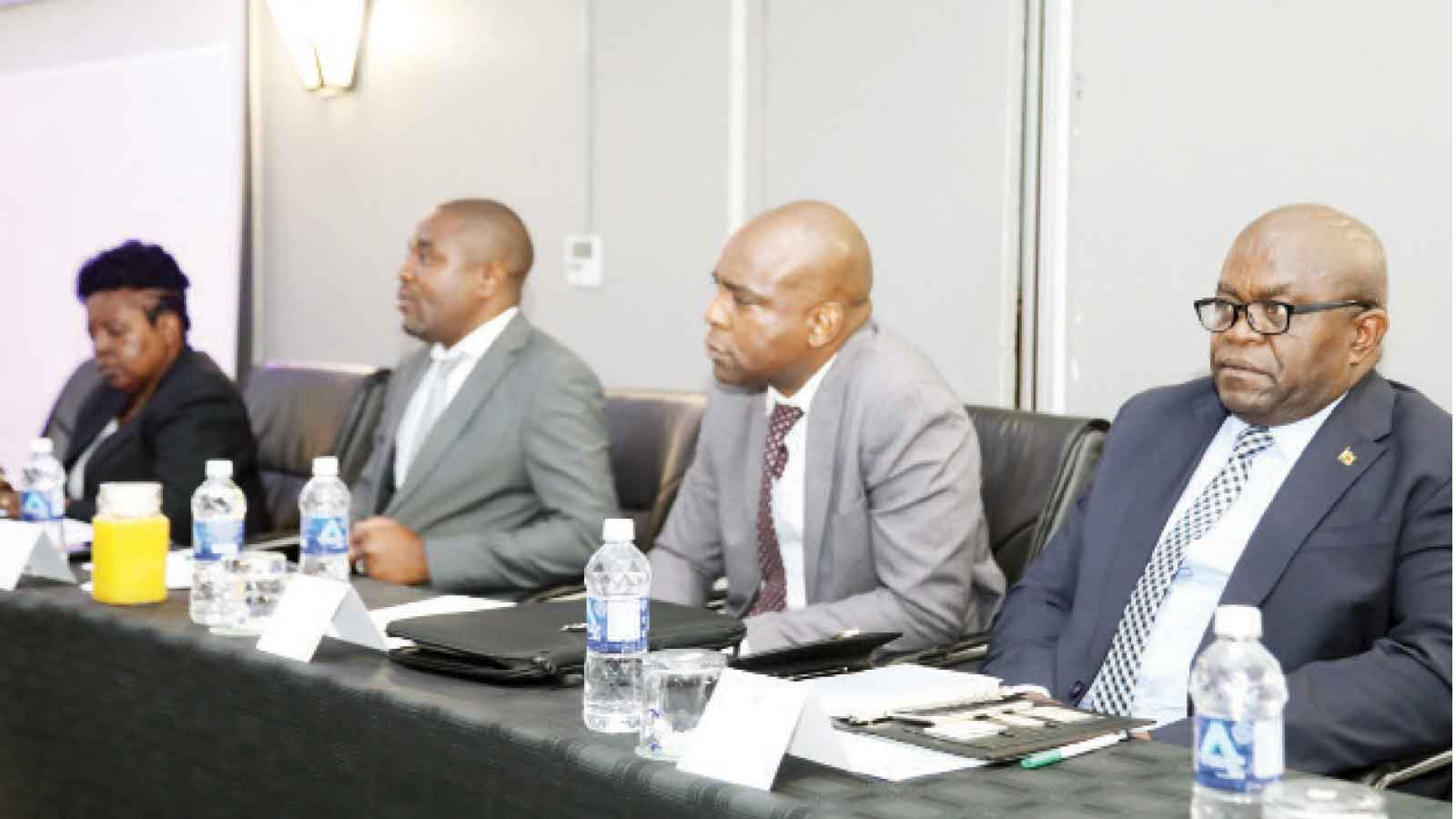
THE Research Council of Zimbabwe (RCZ) hosted Sierra Leone’s National Science, Technology and Innovation Council (NSTIC-SL) in a peer learning visit under the Science Granting Councils Initiative (SGCI II), aimed at strengthening research and grants management across Sub-Saharan Africa.
The two-day programme, held recently in Harare, was co-organised by RCZ and the Southern African Research and Innovation Management Association (SARIMA), with support from the West African Research and Innovation Management Association (WARIMA).
It formed part of SGCI II Theme 1 on research management, backed by international partners including IDRC, the UK’s Foreign, Commonwealth & Development Office, South Africa’s NRF, Sida of Sweden, Germany’s DFG, Norad of Norway and Canada.
RCZ executive director Dr Partson Chikudza said the council was finalising its new roadmap.
“Our 2026–2030 Strategic Plan will guide interventions over the next five years,” said Dr Chikudza.
“It is critical that our programmes reflect Zimbabwe’s science, technology and innovation agenda.”
NSTIC-SL chair Prof. Jonas Redwood-Sawyerr emphasised the importance of the exchange.
“We are still a young institution, established in 2023,” said Prof Redwood-Sawyerr.
“This visit allows us to draw lessons from a council that has successfully operationalised its systems.”
Sierra Leone’s director for Science Education in the Ministry of Technical and Higher Education Mrs Fatmata Jebbeh Kaiwa said efforts are directed towards enhancing their governance frameworks and ensuring committees fulfil their mandates successfully.
Delegates examined the Online Grants Management System (OGMS), introduced to RCZ in 2022.
“The system has increased efficiency in managing calls. We now track awarded grants, gender distribution and reviewer workloads with greater transparency,” said Dr Chikudza.
Prof. Redwood-Sawyerr said Sierra Leone was developing its own portal.
“Zimbabwe’s modifications, such as automated reminders for reviewers, are lessons we can adapt,” he said.
RCZ showcased its governance framework during the peer learning visit, noting it operates through six specialised committees to ensure accountability and efficiency.
“Clear terms of reference prevent overlap and strengthen accountability,” said Dr Chikudza.
“Our committee system is the backbone of how we deliver on national science and innovation priorities.”
NSTIC-SL presented proposed committees covering Intellectual Property, Gender Inclusion and Emerging Technologies.
“We want to ensure our council addresses AI, drones and climate change research,” said Prof Redwood-Sawyerr.
On managing calls, RCZ highlighted milestone-based disbursement.
“Funds are released upon progress reports to motivate accountability and ensure universities deliver results,” said Dr Chikudza.
Prof Redwood-Sawyerr said NSTIC-SL was adopting similar measures. He said the first 2024 call funded five projects from indigenous vegetables to AI in education and noted that agreements will be refined to clarify forfeiture provisions.
“Our first call in 2024 funded five projects, from indigenous vegetables for malnutrition to AI in education,” said Redwood-Sawyerr.
“We are keen to refine our agreements to clearly state forfeiture outcomes.”
Dr Chikudza said stakeholder engagement is vital for identifying partners and building trust within the research ecosystem.
Prof Redwood-Sawyerr agreed, noting collaborations with Uganda, Tanzania and Kenya on vaccine innovation proposals, which he said strengthen capacity and competitiveness.
SARIMA president-elect Dr Douglas Sanyahumbi, who facilitated the programme, underscored the wider significance.
“These exchanges foster communities of practice,” said Dr Sanyahumbi.
“They encourage strategic alignment and resilience in research management.”
Dr Chikudza said the MoU will provide a strong framework for joint programming, capacity development and collaborative research.
Prof Redwood-Sawyerr extended an invitation for a reciprocal visit that would help build a resilient councils that can drive Africa’s scientific future.
“We look forward to hosting Zimbabwe in Sierra Leone. Together we can strengthen our systems and share innovations,” said Prof Redwood-Sawyerr.