


 malvernmugadzikwa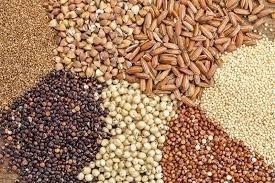
Business Reporter
Agricultural inputs for the 2024/2025 farming season are readily available, raising prospects for a good harvest.
This puts the country on a favourable path to recovery following the devastating El Niño-induced drought during the 2023/2024 cropping season.
The dry spell had a devastating impact on the entire Southern Africa region.
Developing La Niña conditions are expected to result in normal to above-normal rainfall.
The country’s target is to increase the output of key crops to 4,1 million tonnes (t), including 2,7 million tonnes of maize, this coming season, which is expected to drive economic growth next year.
According to a Government document outlining the 2024/2025 summer cropping plan, the country has nearly 60 000t of maize seed in stock, surpassing the required 45 000t for the targeted hectarage of 1,8 million.
For sorghum, the country has nearly 4 000t of the seed, sufficient to plant the targeted 418 88 hectares (ha). Sunflower seed stocks of 800t are adequate to cover the intended 160 000ha, while cotton seed availability stands at 9 000t, exceeding the necessary 6 750t for 270 000ha. However, there are deficits in oilseeds and other small grains.
Groundnut seed is only at 500t, falling short of the required 5 000t for 50 000ha. There is also a deficit in soyabean seed, with 4 686t available, compared to the 7 700t needed for 77 000ha. Pearl millet seed availability stands at 370t, against the required 1 600t for 275 000ha.
Finger millet seed is also in deficit, with 40t on hand, compared to the 138t needed for 27 500ha.
According to the document, delayed payments have affected seed supplies. The Government has indicated that plans are underway to address the seed shortages.
“Deficits remain for traditional grains, for which farmer-retained seed will be utilised,” read part of the document.
“Increased production of improved seed of traditional grains is underway at tertiary institutions, ICRISAT (International Crops Research Institute for the Semi-Arid Tropics), ARDA (Agricultural and Rural Development Authority) and Government, with a plan to meet national requirements by 2028.”
Regarding fertilisers, the country is estimated to have approximately 271 000t in stock, with major purchases and contractual arrangements nearing completion. Zimbabwe’s annual requirement for basal fertiliser is 400 000t, while 380 000t are needed for top dressing.
Fertiliser constitutes 30 percent-40 percent of the production cost for most cereal crops.
Therefore, sustained increases in production, both for local consumption and exports, depend on a consistent supply of affordable, locally produced fertiliser.
Although Zimbabwe has an installed fertiliser production capacity of over 1,68 million tonnes annually, capacity utilisation is less than 15 percent due to cash flow issues, foreign currency shortages, outdated equipment and high costs of raw materials.
Imports account for 50 percent of basal fertiliser requirements in the country and over 70 percent of the top dressing variety.
According to the summer cropping plan, CropLife, the umbrella association for chemical provision in the country, has indicated preparedness to ensure that the required chemicals are sourced and delivered in time for the summer season.
Fuel will be acquired from private actors in US dollars and Zimbabwe Gold (ZiG), through Petrotrade and the Agricultural Marketing Authority facilities. The amount of fuel needed for 3,67ha is 257,8 million litres, split as 220,3 million litres for planting and 37,5 million litres for harvesting.
Zimbabwe Farmers Union secretary-general Mr Paul Zakariya said ensuring that the 2024/2025 agricultural production targets are achieved requires a comprehensive approach that considers the perspectives and needs of farmers. He said it was crucial to, among other issues, ensure timely and affordable access to high-quality seeds and fertilisers, improved irrigation systems and provision of training on efficient water use.
Facilitating access to modern farming equipment and tools, Mr Zakariya noted, possibly through subsidies or co-operative ownership models was also essential.
“By addressing these areas, the agriculture sector can create an environment that supports farmers in meeting the production targets for 2024/2025, while also promoting long-term sustainability and resilience,” said Mr Zakariya.
Some analysts say even though expected good rains will be beneficial for agriculture, it is important to be well-prepared to make the most of it.
“While abundant rainfall is a blessing for agriculture, its full potential can only be realised with meticulous planning and timely preparation. Neglecting these vital steps risks squandering the bounty that nature offers,” said an agricultural economist with a local non-govermental organisation.
At least US$1,64 billion will be needed for the next season. The funding will come from a combination of sources, including the private sector, the Government and self-financed farmers.



 Bongani Ndlovu
 Online Reporter