admin
admin
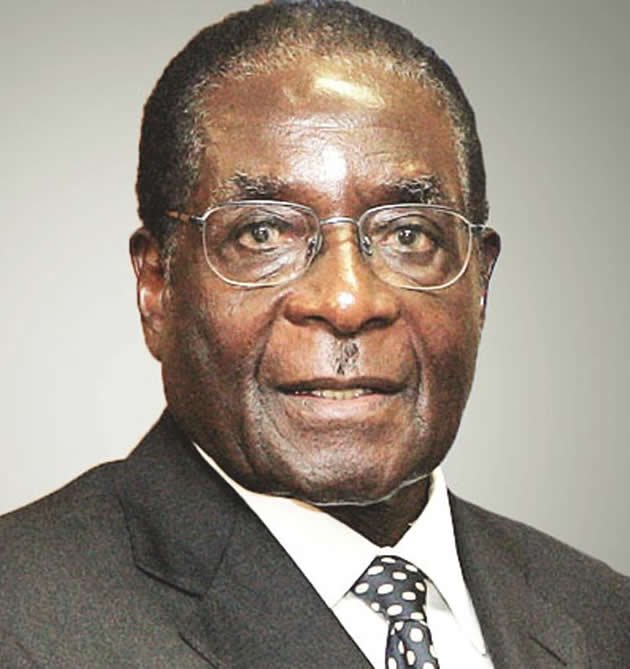
Prosper Ndlovu and Charity Ruzvidzo Business Reporters—
PRESIDENT Mugabe yesterday said the country will be able to produce 5,000 megawatts of electricity at the completion of on-going power generation investments by 2020, surpassing the current national demand of about 2,200MW. Officially opening the Second Session of the Eighth Parliament of Zimbabwe in Harare, the President said adequate power supply was critical in turning around the country’s economy.
He assured the business community and investors that Zimbabwe was on track towards attaining self-sufficiency in power generation to support industrial growth.
“The successful implementation of the Zim-Asset hinges on the provision of adequate energy to all sectors of the economy. To this end therefore, various initiatives to boost power generation are at various stages of implementation,” said President Mugabe.
“These include Kariba South expansion project, ZPC-Sino Hydro-Hwange Thermal Power Station Unit 7 and 8 project and several other small projects, which when complete, should yield a total of 5,000 megawatts by 2020.”
At present the country generates about 1,300 megawatts with the deficit being partially covered by power imports from regional producers.
The remaining gap is explained by the biting power outages, which economists blame for stifling industrial productivity while subjecting residents to long hours of black out.
Ageing equipment at the country’s five power stations -Hwange, Kariba and the three small thermals in Bulawayo, Harare and Munyati, has exacerbated the problem as they constantly break down.
Some time last week total power output slumped to 806 megawatts due to technical faults.
Yesterday the power utility however, reported it had restored supplies and was generating an average of 1, 295 megawatts following completion of maintenance works at its plants.
According to the Zimbabwe Power Company (ZPC), the country is importing 50 megawatts from Hydro Cahora Bassa to support local production.
Hwange Thermal Power Station is presently producing 558 megawatts against its installed total capacity of 920 megawatts.
The station has unit 1, 2, 3, 5 and 6 in service while unit 4 was taken out of service from October 10 for tube leaks and repairs until January.
Kariba Power Station was generating 654 megawatts compared to 750 megawatts of its full capacity with six of its units all in service.
Harare, Munyati and Bulawayo thermals were producing 30, 27 and 26 megawatts respectively against their installed capacity of up to about 100 megawatts.
“Bulawayo station 2 was shut down on August 27 due to insufficient boiler plants. All the boilers, 6, 8 and 9 are undergoing tube thickness tests. Boiler 3 is on statutory works,” said ZPC.
The power utility said Munyati was also facing challenges with boiler five on standby and boiler six currently out on commission.
“Boiler 8 is on grate repairs, 9 was put on standby on October 27, boiler 11 is on statutory works and grate overhaul repairs,” said the power utility.
Power production is expected to improve in the next coming years given the additional multimillion power projects in addition to Kariba South and Hwange expansion.
The other projects include the 600 megawatts thermal project by China Africa Sunlight Energy, Batoka Gorge project and 15 renewable projects by independent producers that have been licensed by the Zimbabwe Energy Regulatory Authority (Zera).


 Online Reporter