Online Reporter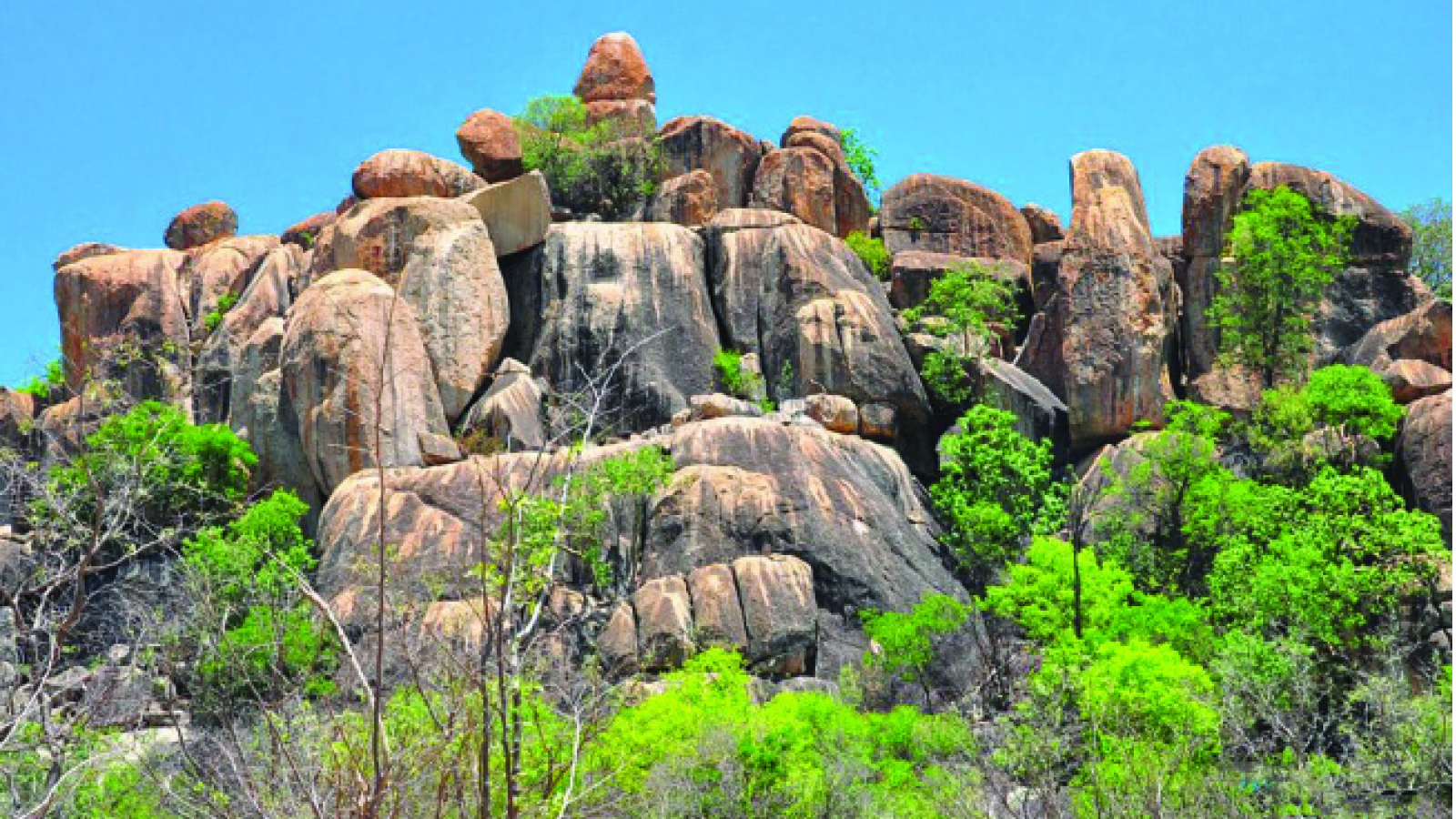
Tourism Branding
with
Charles Mavhunga
Zimbabwe stands at a pivotal moment in its tourism development trajectory.
With resort centres such as Mosi-oa-Tunya/Shungu-Nyamutitima (Victoria Falls) consistently ranking among the world’s most spectacular natural wonders, wildlife reserves teeming with biodiversity, and a cultural tapestry woven through millennia, the nation has established a solid foundation for global tourism prominence.
The question is no longer whether Zimbabwe can compete internationally, but how strategically it will leverage its existing strengths to dominate the regional and global tourism landscape.
Current strengths: A foundation built on excellence
Zimbabwe’s tourism sector has demonstrated remarkable resilience and growth in recent years.
The country’s UNESCO World Heritage Sites, including Mosi-oa-Tunya/Shungu-Nyamutitima (Victoria Falls), Great Zimbabwe National Monument, Khami Treasure, Mana Pools, and Matobo Hills, offer unparalleled cultural and natural attractions that few African destinations can match.
International arrivals have shown consistent growth, with the Zimbabwe Tourism Authority reporting increased visitor numbers and extended length-of-stay metrics that indicate rising satisfaction levels.
The nation’s wildlife conservation efforts have yielded impressive results, with successful anti-poaching initiatives and community-based conservation programmes earning international recognition.
Parks such as Hwange National Park and Gonarezhou National Park now offer safari experiences that rival those of Kenya and Botswana, while maintaining authenticity and exclusivity that discerning travellers increasingly demand.
Adventure tourism has emerged as another strength, with Zimbabwe positioning itself as the adventure capital of Africa.
Activities ranging from white-water rafting and bungee jumping at Mosi-oa-Tunya/Shungu-Nyamutitima canoeing safaris in Mana Pools have attracted thrill-seekers from across the globe, creating a diverse tourism portfolio that appeals to multiple market segments.
The service excellence imperative
While Zimbabwe’s natural and cultural assets provide the draw, service excellence will determine whether visitors become ambassadors or critics.
Strategic investment in hospitality training programmes aligned with international standards represents the most direct path to sustained tourism growth.
These programmes must encompass customer service excellence that goes beyond politeness to anticipate guests’ needs and exceed expectations.
Digital literacy has transitioned from an advantage to a necessity. Tourism operators must navigate online booking platforms, manage digital marketing campaigns, engage with customers through social media, and utilise data analytics to understand visitor preferences.
Professional certifications from internationally recognised bodies such as the World Tourism Organisation or regional hospitality institutions provide credibility that attracts quality-conscious travellers and justifies premium pricing.
Tourism Authority of Thailand has successfully implemented digital upskilling programmes that transformed small operators into internationally competitive businesses.
The Government’s role in facilitating this skills development cannot be overstated.Establishing partnerships between the Ministry of Tourism and Hospitality Industry, technical colleges, universities, and international hospitality schools will create pathways for workforce development.
Scholarship programmes, apprenticeships with leading international hotel chains, and continuous professional development initiatives will build a workforce capable of delivering world-class experiences consistently.
Cultural authenticity: The traditional leadership advantage
Zimbabwe’s competitive advantage extends beyond landscapes and wildlife to its living cultural heritage. Traditional chiefs and cultural custodians represent an untapped resource that could differentiate Zimbabwe’s tourism offering dramatically.
Government support for traditional chiefs in tourism development creates multiple benefits. Chiefs can facilitate genuine cultural tourism experiences that respect sacred sites while allowing visitors to engage meaningfully with Zimbabwe’s heritage.
Cultural villages overseen by traditional authorities, storytelling sessions led by community elders, and traditional ceremonies presented with appropriate context provide depth that transforms casual tourists into cultural learners.
This approach also ensures that tourism benefits flow directly to local communities. When traditional leaders participate in tourism governance and benefit-sharing arrangements, it creates incentives for cultural preservation and community investment in visitor satisfaction.
Namibia’s communal conservancy model, which empowers traditional authorities in wildlife tourism management, has generated significant community income while improving conservation outcomes, a blueprint Zimbabwe can adapt for cultural tourism.
Furthermore, cultural adoption in tourism training programmes, teaching hospitality students about Zimbabwe’s diverse ethnic groups, traditional protocols, and historical narratives, equips them to present their nation with pride and accuracy.
Staff who understand the significance of Great Zimbabwe’s architecture or the spiritual importance of Matobo Hills can convey these meanings to visitors, creating emotional connections that transcend mere sightseeing.
Peru’s hospitality training programmes incorporate Inca history and the Quechua language, enabling guides to deliver deeply authentic experiences that justify the country’s position as South America’s premier cultural destination.
Sustaining the trajectory: Strategic recommendations
To maintain and accelerate Zimbabwe’s tourism growth trajectory, several strategic initiatives warrant immediate implementation.
Firstly, establishing a national hospitality training academy with satellite centres across all provinces will democratise access to quality training, following South Africa’s successful CATHSSETA model.
Secondly, creating certification pathways that recognise traditional knowledge alongside modern hospitality skills will validate cultural custodianship.
Thirdly, implementing mentorship programmes pairing experienced international hospitality professionals with Zimbabwean operators will facilitate knowledge transfer and standard-setting.
Investment in tourism infrastructure, improved road networks to tourist sites, reliable telecommunications and upgraded accommodation facilities must parallel skills development.
Excellence in service means little if visitors struggle with basic accessibility or connectivity issues. Finally, positioning Zimbabwe as a premium destination rather than competing on price will attract higher-spending visitors and justify the investments in training and infrastructure.
Premium positioning requires consistency across all touchpoints, from airport arrival to accommodation, activities, and departure.
Conclusion
Zimbabwe possesses the raw materials for tourism greatness. The enhancement trajectory is clear: invest systematically in human capital development, empower traditional leadership as cultural tourism partners, and maintain unwavering commitment to service excellence.
The vision is clearly within reach, as evidenced by the country`s ongoing commitment to excellence and the tangible progress already demonstrated across the tourism industry.
Charles Mavhunga co-authored textbooks in Business Enterprising Skills and is currently studying for a Ph.D. in Management at Bindura University. He can be contacted at charles.mavhunga@ gmail.com .Cell:0772989816