admin
adminMartin Kadzere Harare Bureau
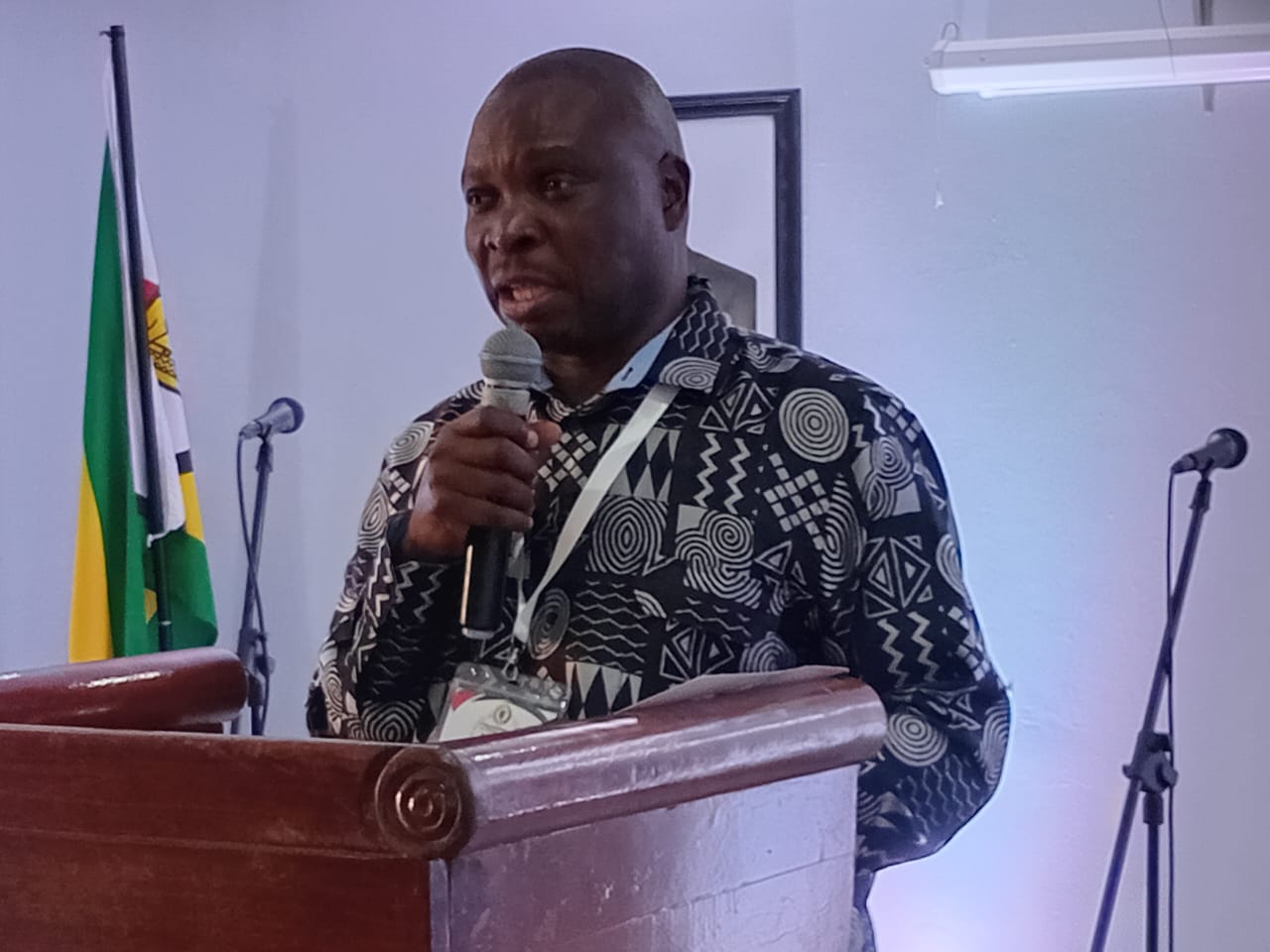
ZIMBABWE could double diaspora remittances if more measures were put in place to formalise inflows from people living abroad, Homelink chairman Bekezela Mpofu has said.
Remittances through formal channels are expected to reach $1 billion this year while the same amount is anticipated to come through informal channels, Mpofu said at a ground- breaking occasion for Homelink’s Tynwald Housing Project in Harare yesterday.
Homelink, through its property division, Proplink is developing 80 fully serviced stands and constructing 100 complete housing units. The multi-million project is already underway. “Annual remittances are expected to reach about $1 billion this year . . . and about the same amount of remittances is estimated to flow into Zimbabwe through unofficial channels,” he said.
He said the establishment of the formal systems by the Reserve Bank of Zimbabwe was meant to ensure that people living abroad remit money using the formal channel.
Diaspora remittances have been one of the major sources of foreign currency since the country adopted dollarisation in 2009. According to the central bank, international remittances have accounted for 27 percent of Zimbabwe’s liquidity since 2009, second after exports.
As such, the RBZ has re-oriented Homelink to enhance its ability to mobilise diaspora remittances for consumption and investment purposes. The RBZ is also working on a centralised payment gateway system for Money Transfer Agencies to facilitate formalisation of remittance inflows, effective accounting and monitoring.
In April this year, the central bank introduced the enhanced policy on international remittances through the Authorised Dealer with Limited Authority (ADLA), which resulted in the registration of 30 Money Transfer Agencies.
The new policy improved confidence in the use of formal channels to transfer remittances, resulting in the processing of more applications to provide remittance services.
The ADLA framework encourages financial inclusion by embracing electronic money transfers into electronic depositories such as the e-wallet and debit cards. This development has helped to increase accessibility of remittances and banking, even to rural areas.
Over the last few decades, the role of remittances as a stable source of foreign exchange has increased among developing economies. This trend is largely attributable to the increase in migrant workers from developing to developed countries.
Speaking at the same event, RBZ Governor John Mangudya said measures will be put in place to ensure the country harnesses diaspora remittances towards investments. “We should go beyond remittances for food and school fees,” said the central bank governor.


 Online Reporter