Online Reporter
Sikhumbuzo Moyo
In an effort to address infrastructure challenges and reduce the cost of serviced land, the Government of Zimbabwe has adopted a densification strategy as outlined in the Zimbabwe National Human Settlements Policy.
Densification is the process of increasing population or built intensity within existing urban areas, making cities more compact by building more homes and businesses on existing land instead of expanding outwards. This urban planning approach aims to reduce urban sprawl, promote sustainable development by making infrastructure like public transport more viable, and increase efficiency in land and energy use.
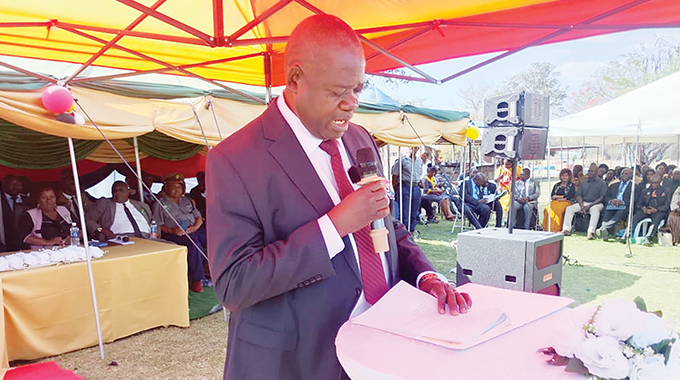
Speaking during the belated World Habitat Day commemorations held today at Vulindlela Township in Umguza district, the Minister of National Housing and Social Amenities, Zhemu Soda, said the adoption of the strategy was influenced by Zimbabwe’s agro-based economy, which limits the need to encroach on agricultural and livestock land.
Furthermore, Minister Soda explained that land is finite, and the policy mandates that 40 percent of all developable residential land must be set aside for densification models, such as cluster houses and high-rise apartments.
He added that the ongoing regularisation and sanitisation of settlements across the country reflect the Government’s broader vision to improve the appearance, functionality, and sustainability of urban areas nationwide.
“To address infrastructure challenges and reduce the cost of serviced land, the Government of Zimbabwe has adopted the densification strategy as outlined in the Zimbabwe National Human Settlements Policy.
Given the fact that Zimbabwe’s economy is agro-based thus we do not need to chew much into agricultural and livestock land. Furthermore, land is finite, and the policy directs that 40% of all developable residential land must be set aside for densification models, such as cluster houses and high-rise apartments,” said Minister Soda.
This year’s commemorations were held under the theme “Urban Crisis Response.” The theme focuses on addressing multiple crises affecting urban areas—including climate and conflicts—that contribute to inequality. It promotes existing tools and approaches for effective crisis response.
The day highlights sustainable, scalable, and transformative solutions to urban displacement that help stabilize populations, promote prosperity, and foster social cohesion for all. It also emphasizes the importance of urban and territorial planning, inclusive urban governance, and the role of local governments in delivering sustainable solutions for displacement.