Online Reporter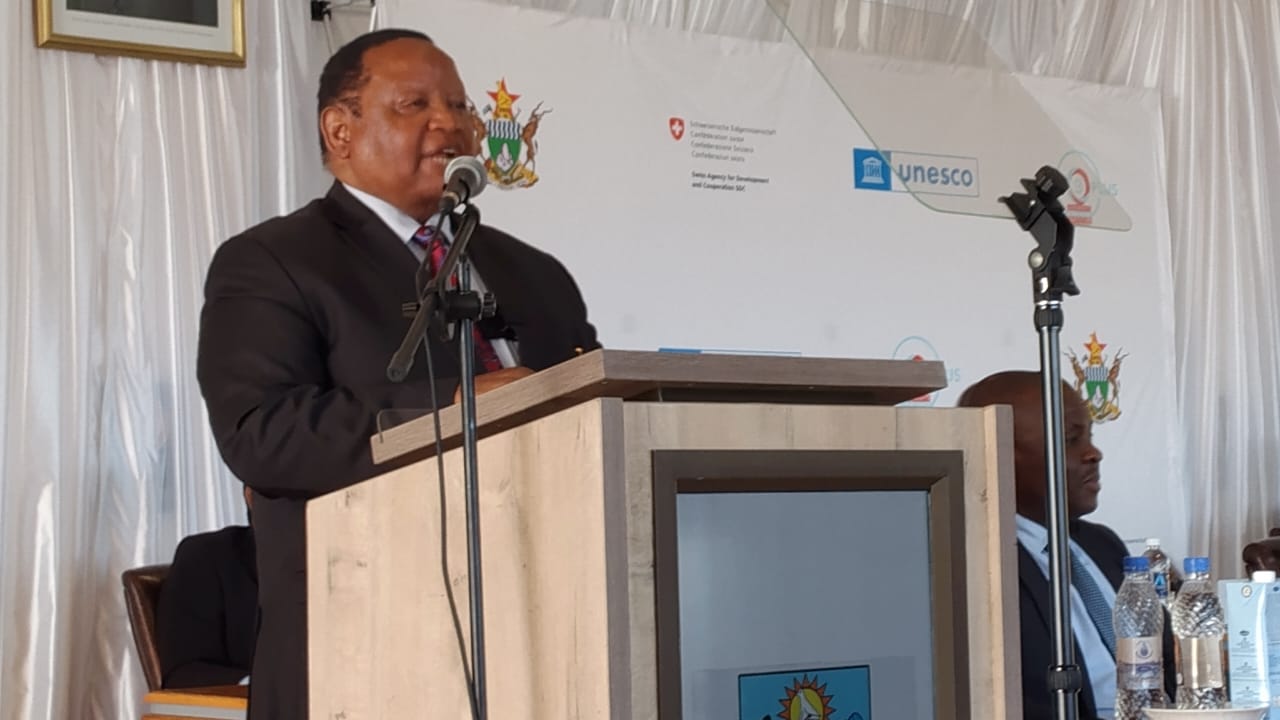
Sikhumbuzo Moyo, [email protected]
ZIMBABWE has adopted a national systems-driven tertiary learning model in a strategic shift to institutionalise and mainstream student health and well-being across the country’s higher education sector.
The move buttresses the Government’s Education 5.0 model in which higher and tertiary education institutions are expected to drive teaching, research, community service, innovation, and industrialisation.
Speaking at the launch of ‘Phase 11 of the Our rights, Our Lives, Out Future Plus 03 Programme’ at the National University of Science and Technology (Nust) on Thursday, Minister of Higher and Tertiary Education, Innovation Science and Technology, Dr Frederick Shava, said this vision demands that institutions become centres of academic excellence and champion safe, inclusive, responsive, and supportive environments.
He stated that the Phase 11 Plus 03 Programme launch forms part of a broader vision of building institutions that develop the whole student and produce graduates who are healthy, empowered, responsible, and equipped to contribute meaningfully to national development.
“A student struggling with untreated mental health challenges, drug and substance abuse, gender-based violence, sexual harassment, HIV risk, stigma, or unintended pregnancy cannot fully participate in learning, innovation, research, or production,” he said. Equally, a campus that is unsafe, exclusionary, or silent in the face of abuse cannot claim to be aligned with the aspirations of Education 5.0.”
Amb Shava said Phase 1 of the O3 Plus Programme, implemented from 2021 to 2025, laid a strong foundation across the initial 12 participating higher education institutions.
“It has demonstrated that when student health and well-being are addressed in a deliberate, institutional, and systems-oriented manner, meaningful and sustainable change is possible,” he said.
“At policy level, the programme supported the development and strengthening of institutional frameworks for safer campuses, including the formulation of sexual harassment policies and accountability mechanisms.”
Amb Shava said the programme supports the training of health workers, lecturers, non-academic staff, and peer educators.
“It also contributed to improvements in clinic infrastructure and service delivery across participating institutions,” he added.
The minister said Zimbabwe was to be part of this transformative initiative—not only as a participating country, but as a nation that has consistently demonstrated leadership, commitment, and readiness to sustain these gains.
He said the O3 Plus Programme stands as a powerful testament to what can be achieved through strategic partnerships, visionary leadership, and a shared commitment to the well-being of young people.
“The programme has improved access to life skills and health education, while strengthening institutional systems that support students’ physical, mental, and social well-being,” said Amb Shava.
“These achievements are commendable and deserve our collective recognition.”
Phase II builds on the successes recorded during the initial phase, which was implemented across six countries in East and Southern Africa, and will now expand its footprint in Zimbabwe.
The programme targets 52 higher and tertiary education institutions, with a focus on empowering young people to make informed decisions about their health, education and future.
Key priorities include improving access to life skills and health education, as well as strengthening the provision of youth-friendly sexual and reproductive health services.
The initiative will also intensify efforts to prevent and respond to gender-based violence (GBV) while promoting inclusive campus environments that prioritise student well-being.
These interventions are expected to contribute towards Zimbabwe’s attainment of Sustainable Development Goals 3, 4 and 5, which focus on health, education and gender equality.
The programme aligns with UNESCO’s Strategy on Education for Health and Well-being (2022–2026).
In her remarks, Bulawayo Minister of State for Provincial Affairs and Devolution Judith Ncube said the launch of the programme comes at a time when Zimbabwe is increasingly confronted by several social ills such as drug and substance abuse, gender-based violence, and other social pressures that threaten their health, safety, and future.
She said initiatives that promote life skills, health awareness, responsible decision-making, and access to support activities play a crucial role in preparing young people to become productive citizens who contribute to meaningful national development.
“Achieving this vision in 2030 requires a healthy, educated, and empowered youth population that is equipped not only with academic qualifications, but also with values, resilience, and life skills necessary to build a prosperous and inclusive Zimbabwe,” said Minister Ncube.
“I am confident that the discussions and engagements taking place here will further strengthen collaboration among stakeholders and contribute to the continued development of supportive environments for students across our country.”