Online Reporter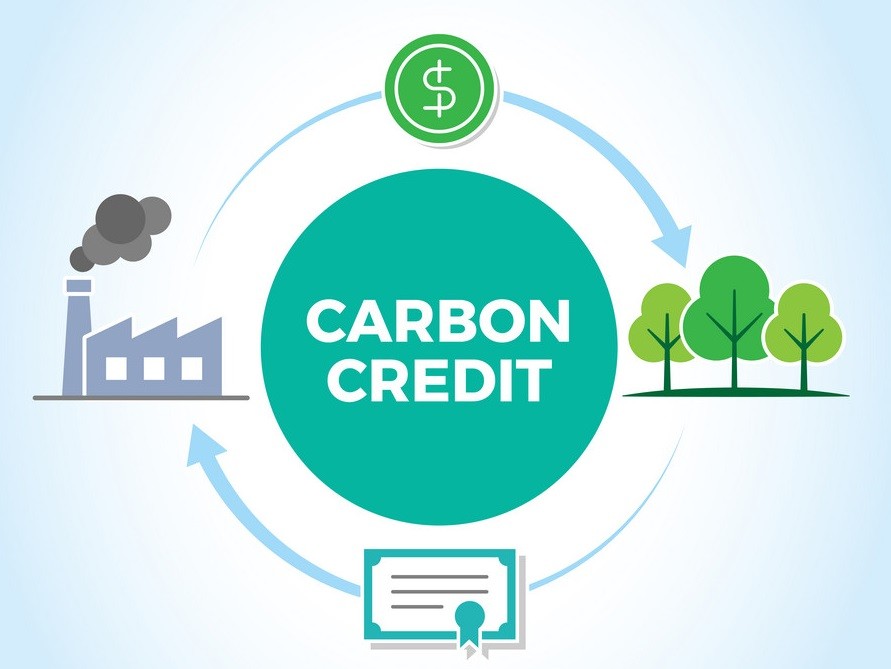
Nqobile Bhebhe, Zimpapers Business Hub
Carbon credits, a growing frontier in climate change mitigation and rural economic empowerment, come under sharp focus as the Ministry of Environment, Climate and Wildlife (MECW) kicks off a two-day Carbon Markets Indaba for Rural Local Authorities.

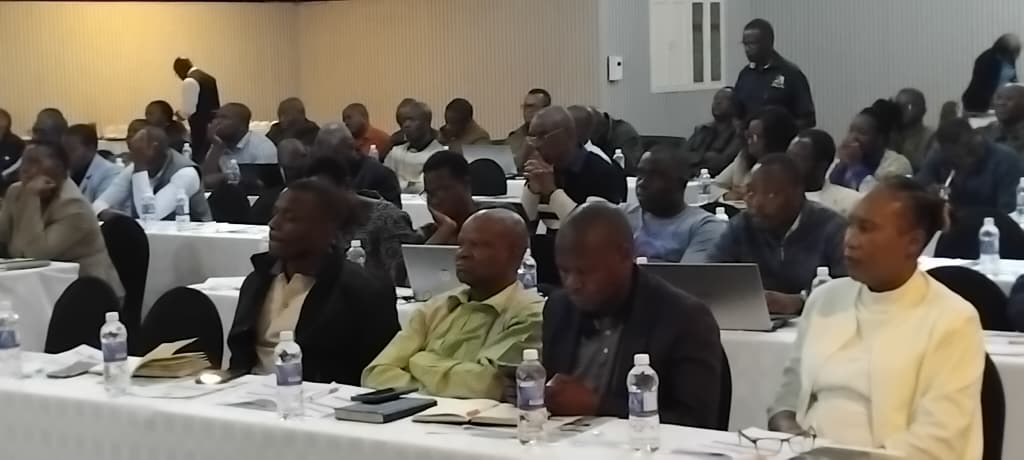
Held under the theme “Sustainable Future: Empowering Rural Communities Through Carbon Trading”, the workshop brings together Rural District Councils (RDCs) from across the country for intensive consultations aimed at raising awareness, enhancing capacity and supporting the development of carbon trading projects under Zimbabwe’s newly updated regulatory framework.
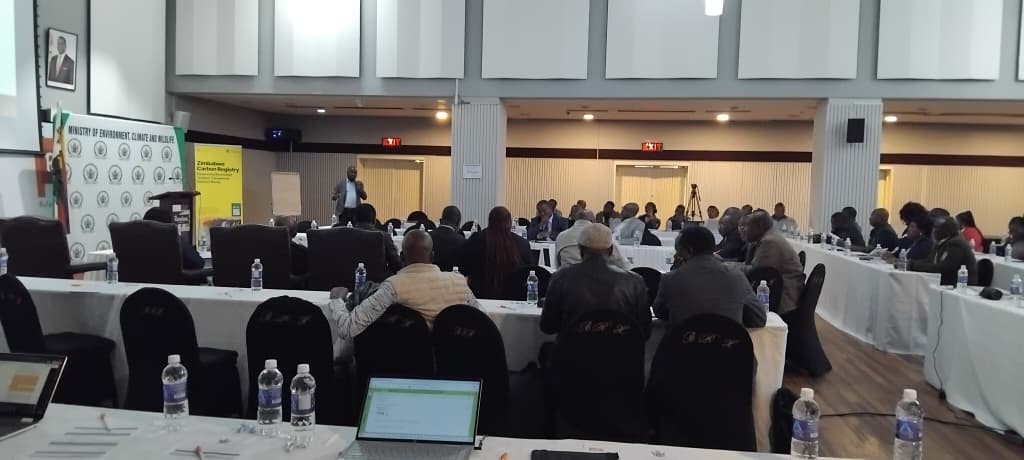
The workshop is held in Bulawayo.
Carbon credits are permits that allow the owner to emit a defined amount of carbon dioxide or other greenhouse gases (GHGs), with one credit equivalent to one tonne of carbon dioxide.
Companies or nations can trade these credits to balance total worldwide emissions, creating a growing market for climate-positive initiatives.
In a concept note, the ministry stressed that the move is part of Government’s wider climate change response to the rising frequency of extreme weather events such as droughts, floods, tropical cyclones and mid-season dry spells.
“Over the years, the Ministry has spearheaded a Climate Change Mainstreaming Capacity-Building Programme for Ministries, Departments and Agencies (MDAs) as part of the National Climate Change Adaptation Planning process to ensure climate change is mainstreamed in planning and budgetary processes,” MECW said.
The ministry noted that the global carbon markets are “evolving at a fast pace, challenging governments to develop strong policies, regulatory and institutional frameworks able to thrive in such a highly dynamic environment.”
The workshop comes in the wake of the promulgation of Statutory Instrument 48 of 2025, which repealed SI 150 of 2023, creating the Zimbabwe Carbon Markets Authority (ZiCMA) as regulator and operationalising the Zimbabwe Carbon Registry.
Launched by President Mnangagwa in May 2025, the registry serves as the official platform for carbon project developers to submit applications, aligning with the country’s push to promote carbon trading, facilitate credit exchange, and contribute to climate change mitigation, adaptation, and sustainable development.
The ministry underscored that the bulk of carbon projects are taking place in areas managed by local authorities, making RDCs central players in Zimbabwe’s carbon market drive.
“The Local Authorities play a key role in the development of carbon trading projects, making it important for them to be abreast with the new regulations.”
The Capacity Enhancement Workshop seeks to provide an overview of climate change science, impacts, and relevant policy frameworks and highlight the importance of mainstreaming climate change in planning and budgeting.
It also seek to unpack the Zimbabwe Carbon Market Policy and Regulatory Framework, clarifying the role of Local Authorities in full operationalization and aise awareness on ZiCMA and the Zimbabwe Carbon Registry.
By empowering local authorities with knowledge and skills, the Government aims to ensure that rural communities can tap into carbon trading as a sustainable revenue source while contributing meaningfully to the fight against climate change.