Online Reporter
Takunda Gambiza
Herald Reporter
Zimbabwe Anti-Corruption Commission (ZACC) chairperson Mr Michael Reza says the country cannot afford to suffer continued losses to cross-border criminal networks, stressing corruption and illicit financial flows represent real losses to the people.
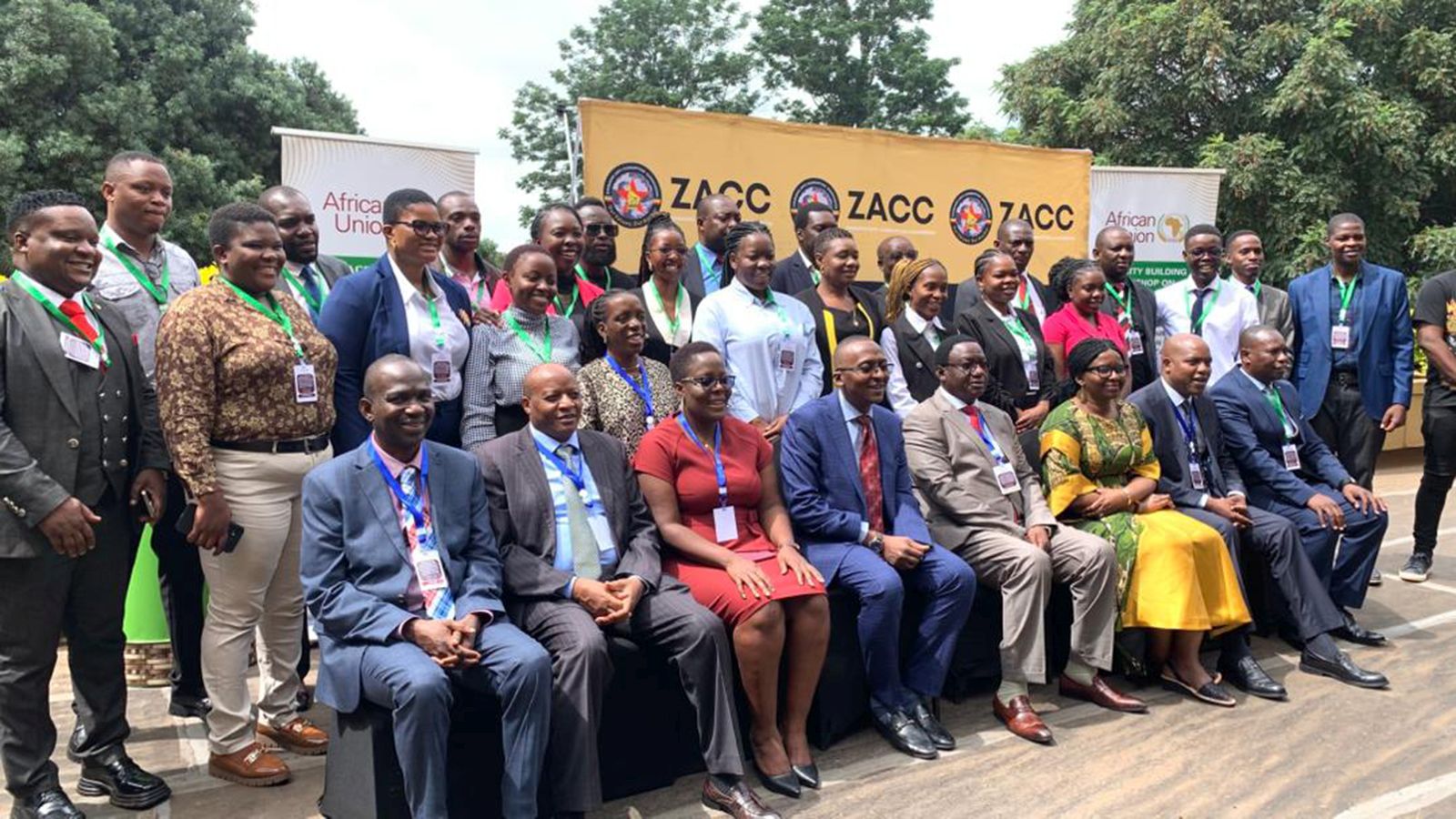
He said this in a speech read on his behalf by ZAAC Commissioner Kindness Paradza at a three-day training programme organised by the commission in partnership with the African union Commission (AUC).
The programme underway in Harare, with suppor from the African union Advisory Board Against Corruption (AU-ABC), is designed to equip investigators, prosecutors and journalists to combat illicit financial flows (IFFs).
Mr Reza said while Zimbabwe has demonstrated political will, gaps remain in technical capacity, particularly among investigative journalists.
“During last week’s Anti-Corruption Media Awards, adjudicators observed that despite courage and passion, many journalists lacked specialised skills to produce deeper exposes. This training directly responds to those gaps,” said Mr Reza.
He said ZACC is currently pursuing reforms to professionalise investigators, modernise systems and enhance cooperation locally and internationally.
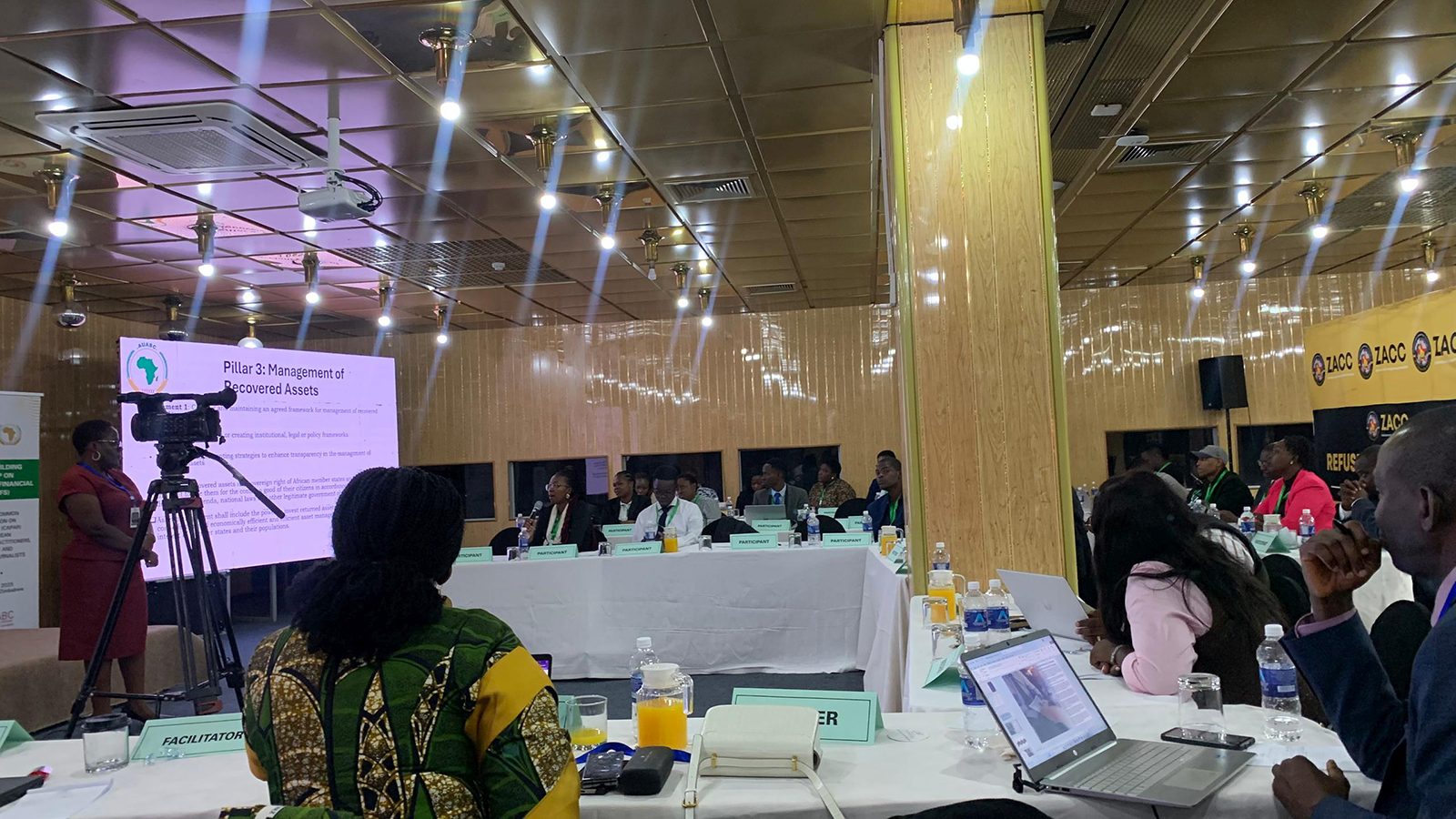
ZACC executive secretary Advocate Shepherd Manhivi said billions lost through IFFs could be building hospitals, fixing roads, equipping schools and creating opportunities for young people.
“Curbing IFFs is inseparable from fighting corruption and achieving Vision 2030,” he said.
Head of Division for Governance and Human Rights at the AUC, Mr Issaka Garba Abdou, said the workshop is a pivotal step for Africa’s development agenda.
He said the continent loses an estimated US$88.6 billion annually through IFFs, equivalent to 3,7 percent of Africa’s GDP, with nearly half of the losses stemming from the extractive sector.
“These outflows drain foreign exchange reserves, reduce tax bases, cancel out investment inflows and worsen poverty,” said Mr Abdou, citing UNCTAD figures.
He added that the Common African Position on Asset Recovery (CAPAR), adopted by AU Heads of State in 2020, provides a framework for detecting, recovering and managing stolen assets.
“CAPAR rests on four pillars, which are asset detection and identification, recovery and restitution, recovery management, and cooperation and partnerships,” said Mr Abdou.
“Without awareness and technical capacity, many institutions would not know how to interpret or use CAPAR effectively.”
Mr Abdou urged participants to approach the programme with an open mind, a committed heart and determination to return as catalysts for improvement.
He said curbing IFFs is central to Africa’s Agenda 2063 vision of a prosperous and peaceful continent.