Online Reporter
Rutendo Nyeve, Victoria Falls Reporter
ZIMBABWE is positioning itself as Africa’s next major investment hub, with the Zimbabwe Investment and Development Agency (Zida) reporting a surge in investor interest — issuing 543 new licences between January and August 2025, up from 447 during the same period last year.
While the total projected investment value in 2024 stood at US$3,4 billion, this year it has surged to nearly US$10 billion in planned investments. These figures reflect long-term investment plans submitted by investors, outlining five-year strategies that include capital, equity, and machinery.
Speaking in Victoria Falls during a recent conference, Zida Investment Promotion Manager Mr Tapindwa Chipunza presented Zimbabwe’s compelling investment case against the backdrop of a rapidly evolving African economy.
Referencing the 2025 United Nations Conference on Trade and Development (UNCTAD) World Investment Report, Mr Chipunza noted that Africa’s population is expected to double to 2,5 billion by 2050, fuelling rapid urbanisation, industrialisation, and rising energy demands.
“Strategic minerals, green technologies, agriculture, and infrastructure are now at the forefront of global investment priorities, and Zimbabwe is well-positioned to benefit,” he said. The optimism is well-founded. Mr Chipunza highlighted that international advisory firm KPMG, in its 2024 outlook, ranked Zimbabwe among the top 10 African countries with the most promising investment prospects over the next two to three years.
“Zimbabwe’s strengths speak for themselves. With a population of 16.3 million and Africa’s highest literacy rate at 94,7 percent, we offer a skilled and educated workforce,” he said.
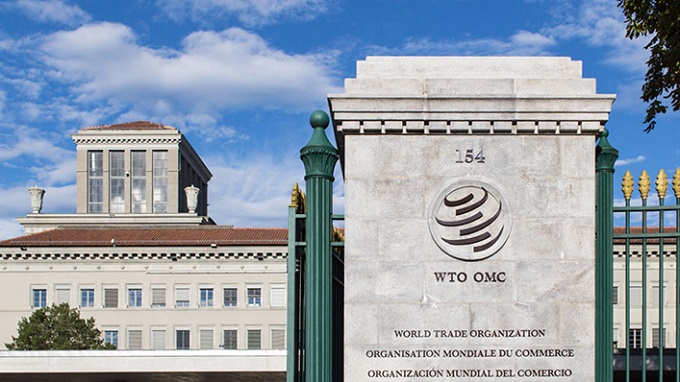
He also underscored Zimbabwe’s strategic market access through its membership in multiple trade blocs, including SADC, AfCFTA, Comesa, ACP, and the World Trade Organisation (WTO), offering investors a gateway to both regional and international markets.
Zimbabwe’s proven manufacturing capabilities and vast mineral wealth—including rare earth minerals essential for the global energy transition—further enhance its investment appeal.

“Government commitment to reforms aimed at improving the ease of doing business, coupled with fiscal and non-fiscal incentives across key sectors, has significantly strengthened our investment case,” he said.
Zida’s latest statistics show a consistent rise in investment licences issued from 2022 through the first quarter of 2025, indicating growing investor confidence from both traditional and emerging markets.
Mr Chipunza also outlined several high-level investment opportunities, with energy taking centre stage.
“The country requires over 1 500 megawatts of additional capacity, creating substantial opportunities for independent power producers and renewable energy projects, particularly in solar and hydro power,” he said.
Infrastructure presents another major opportunity, with an estimated US$30 billion deficit.
“This includes new city development, wastewater and sewerage systems, and potable water supply—offering a vast pipeline for public-private partnerships and foreign direct investment,” said Mr Chipunza.
The health sector also requires urgent investment, with a US\$3 billion funding gap highlighting the need for hospital construction and upgrades, pharmaceutical production, and the adoption of new health technologies.
“Zimbabwe is positioned at the heart of Africa’s economic rebirth. The fundamentals are in place. The real question is: are investors ready to seize the opportunity?” he asked.
Meanwhile, the Government remains committed to fostering a favourable investment climate—essential for building a modern, competitive, and inclusive economy—through predictability and ongoing reforms that ensure opportunity is accessible to all.
To further bolster investor confidence, Zida has introduced the Investor Grievance Response Mechanism (IGRM), a formal process for addressing grievances arising from government ministries or policy changes that may negatively affect existing investment projects.
By offering a clear and efficient resolution process, Zida aims to address investor concerns swiftly and prevent escalation.
Similar mechanisms have been successfully implemented in other countries, where they have proven effective in retaining investments by resolving disputes early and promoting a stable, predictable investment environment.
As global capital increasingly turns its attention to Africa’s growth story, Zimbabwe—with its untapped potential and reform-driven agenda—is making a compelling case to become the continent’s next investment frontier.