Online Reporter
Rutendo Nyeve, Victoria Falls Reporter
ZIMBABWE continues to solidify its position as a global leader in wildlife conservation, with its sustainable practices and community-focused initiatives serving as a blueprint for other nations.
This was revealed by the International Fund for Animal Welfare (Ifaw), one of Zimbabwe Parks and Wildlife Management Authority (ZimParks)’s key strategic partners, during a high-profile visit to Hwange National Park on Friday.
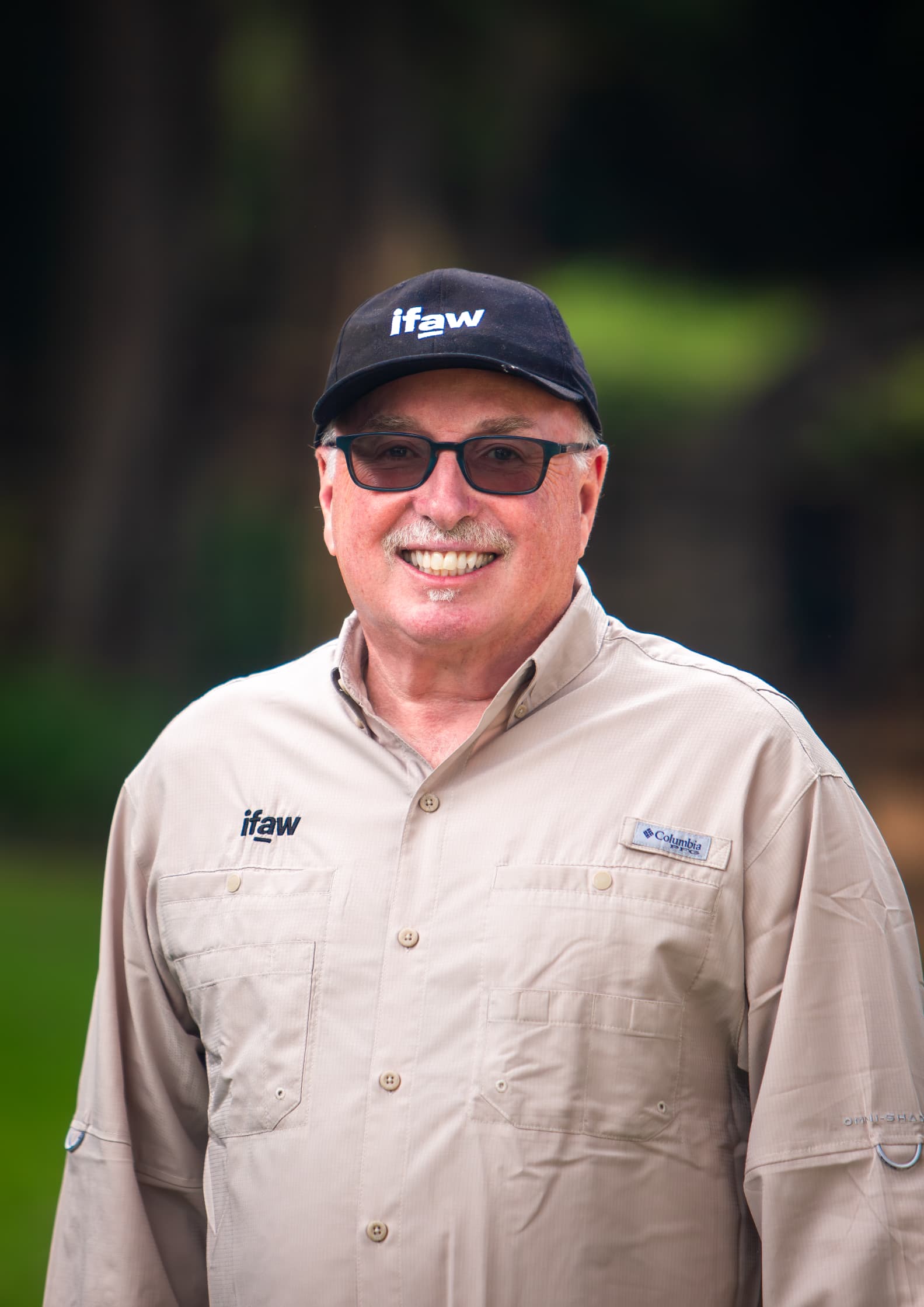
The delegation, which included Ifaw president and CEO Mr Azzedine Downes and several board members, many of whom were visiting Zimbabwe for the first time, expressed admiration for the country’s conservation achievements.
In an interview with Zimpapers, Mr Downes praised Zimbabwe as a role model in wildlife preservation and reaffirmed Ifaw’s long-term commitment to supporting these efforts.
He said Zimbabwe’s conservation strategies, particularly in Hwange, set a benchmark for other nations.
“I think what has happened here in Hwange and Zimbabwe in general is really a role model for many others, in terms of conservation work. Next week, for example, we will be meeting with traditional chiefs from southern Africa and we have brought them here to Zimbabwe so that they can see the progress that has been done,” he said.
Mr Downes said Ifaw intends to replicate Zimbabwe’s successful models in other African countries, where the organisation operates.
“What we are hoping to do, is to bring everything that is happening here in Zimbabwe and all of the things that we have learnt in Zimbabwe to the other countries where we work, in Malawi and Zambia,” he said.
Ifaw and ZimParks are celebrating five years of partnership, but Mr Downes described this as just the beginning.
The organisation has signed a landmark 25-year agreement with ZimParks, a testament to its long-term vision for conservation.
“The reason for such long periods of time is the lifespan of many of the animals, which live here. When you are talking about elephants, they live up to 50, 60, 70 years in some cases. So, conservation is really about a long-term commitment,” he said.
Key investments by Ifaw include the upgrading of Hwange’s main gate, staff housing and ranger facilities, which is all critical infrastructure aimed at boosting tourism and improving the welfare of those on the frontlines of conservation.
“The investment in this main gate and housing for employees and rangers is an indication of how committed Ifaw is.
We have made it possible for people who are in Victoria Falls, which is about a two-hour drive, to be able to come here. They will be able to stay here in a safe, clean environment, which is one of the things that all tourists want,” he said.
Mr Downes said it is important to support rangers, who play a crucial role in protecting wildlife saying ensuring their well-being directly contributes to the success of conservation efforts.
“The other really important thing is about the rangers and we must invest in ensuring they are able to be well-fed, well-rested and more importantly that they have the equipment,” he said.
However, challenges remain, particularly in attracting and retaining rangers who must balance duty with family life.
Many potential rangers hesitate to work in remote areas due to concerns about their children’s education and safety.
“There are a lot of people, who would like to be rangers, but they have families and so, how could they live in these very remote areas without their partners or their spouses and their children? Where will the children go to school,” he said.
To address this, he said Ifaw is exploring investments in primary schools and transportation for children in surrounding communities.
Mr Downes stressed that conservation success hinges on ensuring local communities benefit from wildlife protection. By improving education, safety and livelihoods, Ifaw and ZimParks aim to foster a sense of ownership, among residents living near national parks.
“Whilst you are talking about where people live, schools and school fees, it should ultimately get us to a point of realising that in conservation it is about safety. So, that is what we are looking forward to in the future, to say how we can attract more investment in the communities that live around the park so that they also see a benefit to protecting the wildlife,” he said.
With long-term commitments, strategic investments and community engagement, the nation is not only safeguarding its wildlife but also setting an example for the world to follow.
@nyeve14