Moffat Mungazi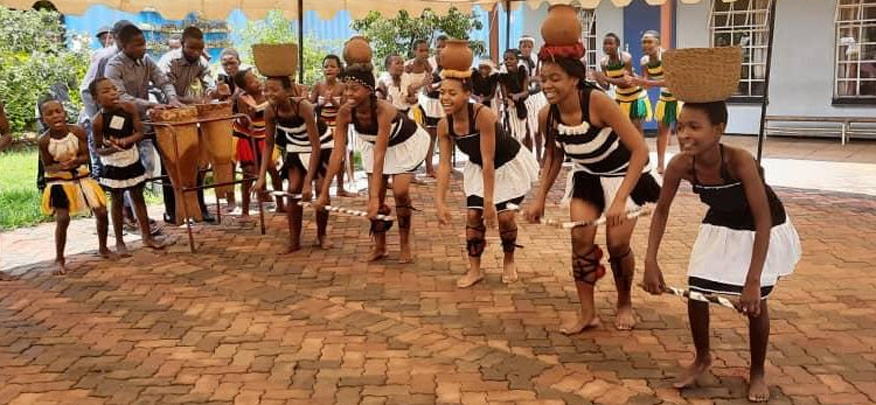
Rodgers Irimayi
Cultural Perspectives
ZIMBABWE joins the rest of the world in commemorating cultural diversity during the month of May.
The National Culture Month aims to promote Zimbabwean culture, traditions, and values, fostering national identity and unity.
Running under the theme: ‘Celebrating Indigenous Voices’, the programme recognises the value of cultural diversity, and encourages continuous dialogue among different cultures to ensure mutual understanding and respect.
The thrust of celebrating cultural diversity intents to promote the integration of various cultures into sustainable development frameworks which then stimulates economic growth and reduce poverty.
Zimbabwe’s 16 official languages are being encouraged by Government to maintain the unity among the people.
The indigenous languages include Shona which is spoken by over 70 percent of the population, mainly in central and eastern provinces.
Ndebele is spoken by roughly 20 percent of the population who are mainly in Matabeleland regions.
There is Chewa which is spoken in the northeastern part, and some in the commercial farms of the country, and Chibarwe which is mainly spoken by those with their origins in Malawi and Mozambique.
The Kalanga language is spoken by the Kalanga people from northwestern side. Groups of the Koisan and Nambya also speak their languages, and are found in the northwestern side of the country.
The Ndau language dominates the Southeastern side in Chimanimani and Chipinge districts of Manicaland, and spreads into Central Mozambique. The Shangaani which is also known as Tsonga, is spoken in southeastern Zimbabwe and most people in Chiredzi and Mwenezi districts speak that language.
The Tonga are found in Southern Zambia and Northern Zimbabwe.
The Tswana language is also spoken in the country, with the Venda being spoken in the northern part of South Africa and southern Zimbabwe.
The Xhosa language is spoken by approximately 200 000 Zimbabweans.
Another official language, English, is regarded as the second language by all, and is normally used in academic institutions and Government business.
The Sign language is used by the deaf community.
The role out of this year’s culture programme was organised to run throughout the month of May, as Zimbabweans explore the cultures, traditions, and perspectives that have shaped the country’s history through exhibitions, performances and discussions.
The role out of the commemorations has been planned as follows:
1st Week: Flavours of Our Ancestors Week
The week was meant to encourage revisiting and practicing historical recipes and traditional cooking techniques, as well as reconnecting communities with ancestral culinary practices.
The young generation ought to learn these recipes and traditional food preparation methods which promote good health rather than the fast foods which bring health problems such as obesity.
2nd Week: Indigenous Fashion Week
The week focused on featuring vibrant traditional attire from across Zimbabwe’s cultural spectrum.
Government also promoted wearing of clothes made from Government recommended national fabric.
Through a circular from the Public Service Commission, civil servants were also encouraged to take part by promoting indigenous fashion and creatively come up with ways to motivate the best dressed individuals.
3rd Week: National Culture Month Launch
The launch was planned for yesterday (May 22) at Rusununguko Clinic in Chiredzi to mark this year’s celebrations, with President Mnangagwa officiating.
The function involved exhibitions and performances showcasing Zimbabwe’s success stories in cultural development, and the country’s commitment to fulfill regional and international protocols that promote the growth of the creative and cultural industries.
A concert from 2pm up to 11pm was organised for musicians, dancers, poets, and comedians to participate through performances.
4th Week: “Indigenous Languages and Cultural Dialogue Week
The week has been dedicated to promote linguistic heritage and intercultural understanding through performances, poetry, films, and language workshops.
The World Day for Cultural Diversity originated from UNESCO’s adoption of the Universal Declaration on Cultural Diversity in 2001, and the UN General Assembly declared May 21 as the World Day for Cultural Diversity for Dialogue and Development. The day was set aside as there was growing need to protect and promote cultural diversity worldwide.
In Zimbabwe this year, the function has been organised by Government to take place in each province where ministers of State for Provincial Affairs and Devolution officiate as guests of honour.
Several tribal groups from all provinces that build the nation of Zimbabwe will converge to showcase their life styles.
Traditional leaders, as custodians of cultural values, are expected to be central in organising the programme. As for Masvingo, the boost in tourism during the function will feed into the provincial economic growth.
Rodgers Irimayi is the Ministry of Information, Publicity and Broadcasting Services Masvingo Provincial Information Officer. He writes in his personal capacity and can be contacted on +263778246098 or [email protected].


 Online Reporter