Online Reporter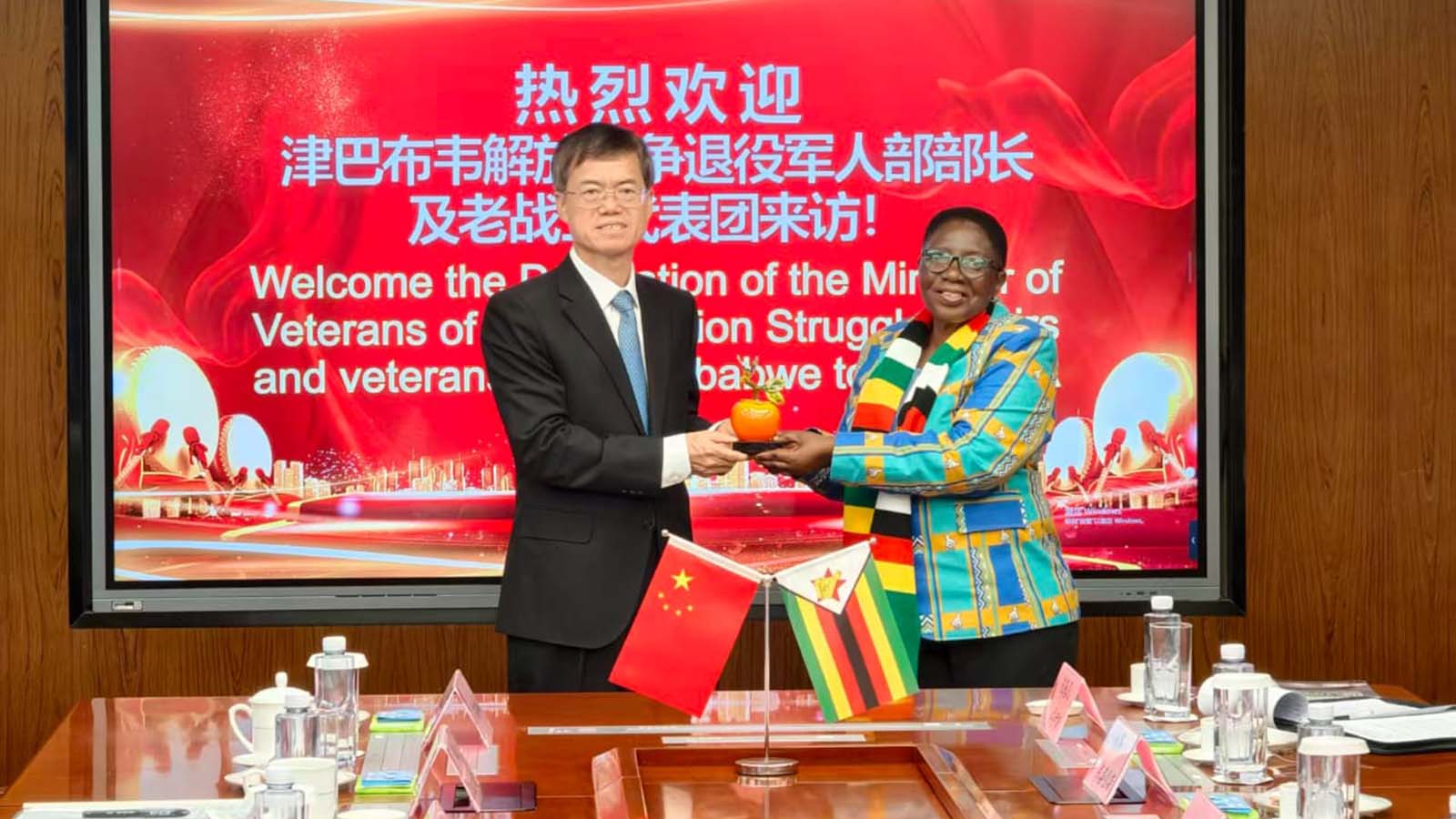
Kuda Bwititi
Zimpapers Politics Hub
ZIMBABWE and China have taken another significant step in strengthening their long-standing relations following a high-level visit by Minister of Veterans of the Liberation Struggle Affairs, Monica Mavhunga and a delegation of liberation war veterans to the Asian country.
The visit, which runs from July 6 to 10 at the invitation of China’s Ministry of Veterans Affairs, is aimed at implementing the spirit of Chinese President Xi Jinping’s reply letter to Zimbabwe’s liberation war veterans and expanding cooperation in veterans’ affairs.
Some members of the delegation received military training in China during the 1960s and 1970s at the height of Zimbabwe’s liberation struggle, underscoring the historical ties between the two countries.
During a meeting in Beijing, China’s Minister of Veterans Affairs, Mr Pei Jinjia, said this year marked the 70th anniversary of the establishment of China-Africa diplomatic relations, adding that President Xi’s reply letter reflected China’s enduring commitment to its friendship with Zimbabwe and Africa.
He said: “China had remained a steadfast partner during Zimbabwe’s liberation struggle and continued to support the country’s national development under the comprehensive strategic partnership and all-weather community with a shared future established by President Xi and President Mnangagwa.”
Mr Pei said the visit was “a practical implementation of the consensus reached by the two Heads of State”.
This, he added, would further strengthen exchanges and cooperation between the two countries in veterans’ affairs through the sharing of experiences and best practices.
Minister Mavhunga expressed appreciation for the warm reception accorded to the delegation, saying the visit demonstrated the enduring friendship between the people of Zimbabwe and China.
She reaffirmed Zimbabwe’s commitment to deepening cooperation and maintaining close engagement with China’s Ministry of Veterans Affairs.
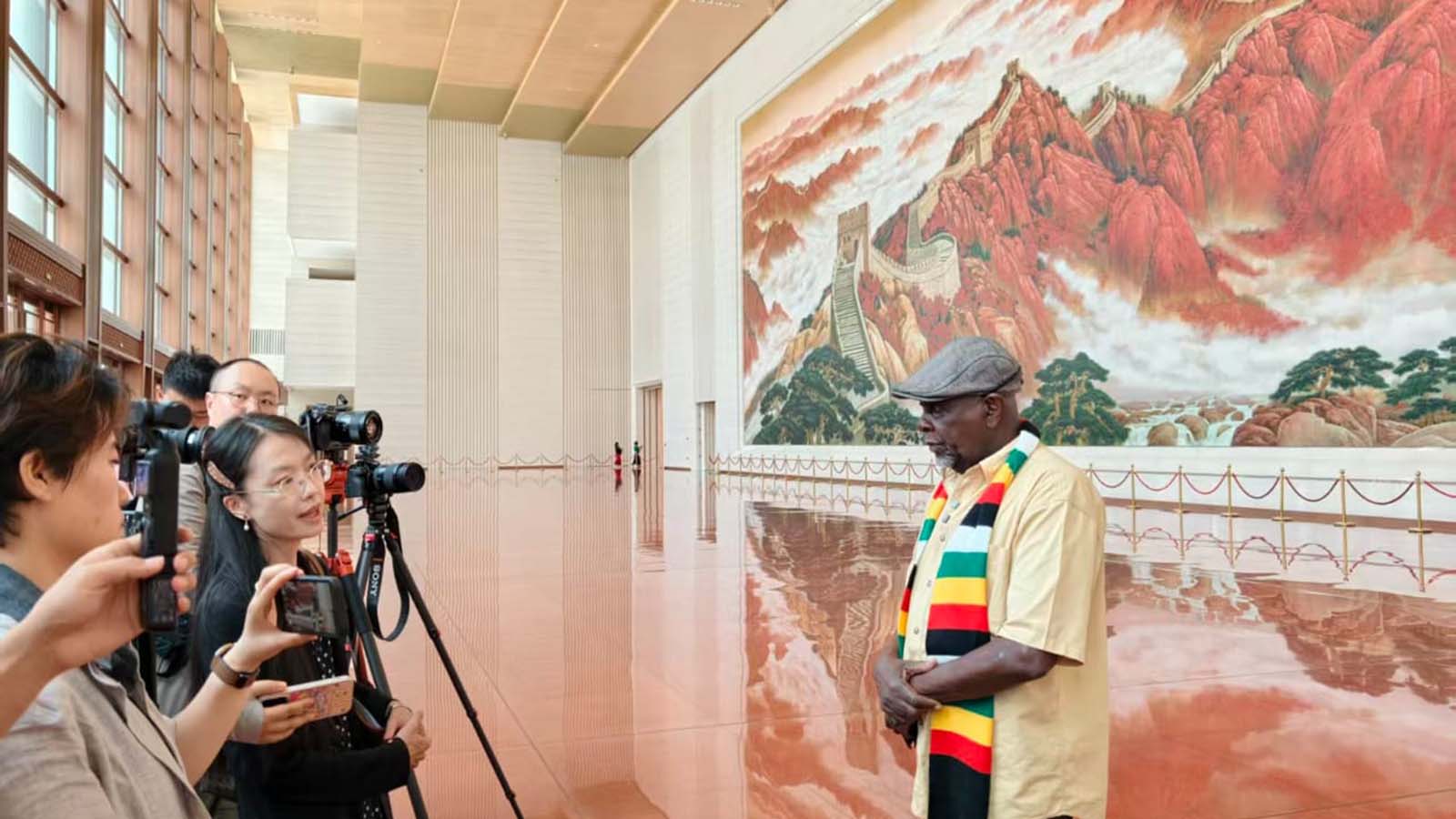
Representing the liberation war veterans, Cde David Mushangwe described the visit as “an emotional homecoming”, saying many veterans retained strong bonds with China after receiving military training there during the liberation struggle. He also commended China’s remarkable socio-economic transformation.
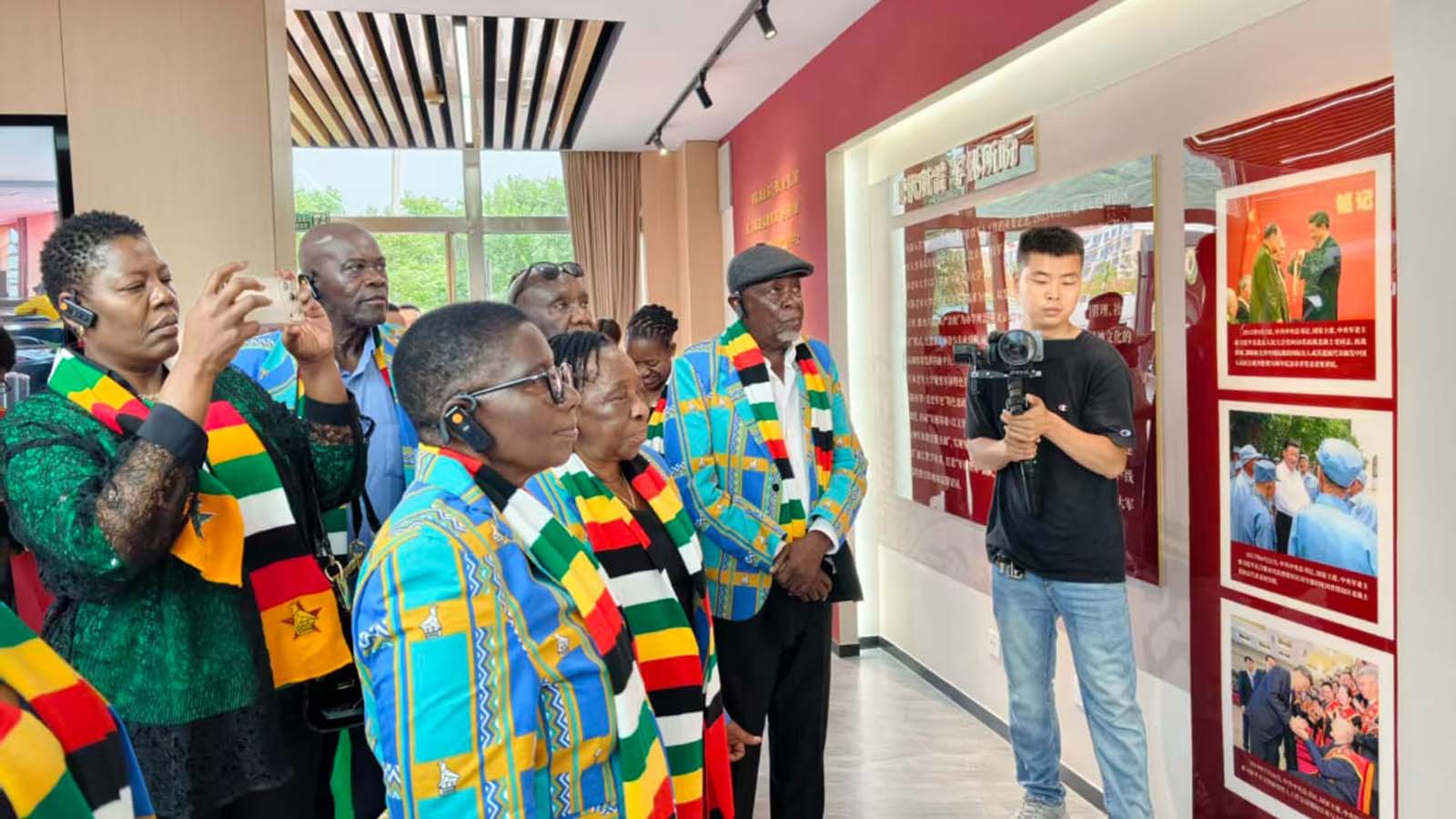
The delegation later toured Beijing’s Shijingshan Military Retirees University, where they were introduced to programmes designed to improve the welfare and quality of life of retired military personnel through education, cultural activities and skills development.
The Zimbabwean delegation said the model offered valuable lessons that could help strengthen support systems for liberation war veterans back home.
Further, the veterans visited the Museum of the Communist Party of China, where they explored exhibits documenting China’s revolutionary history and development journey.
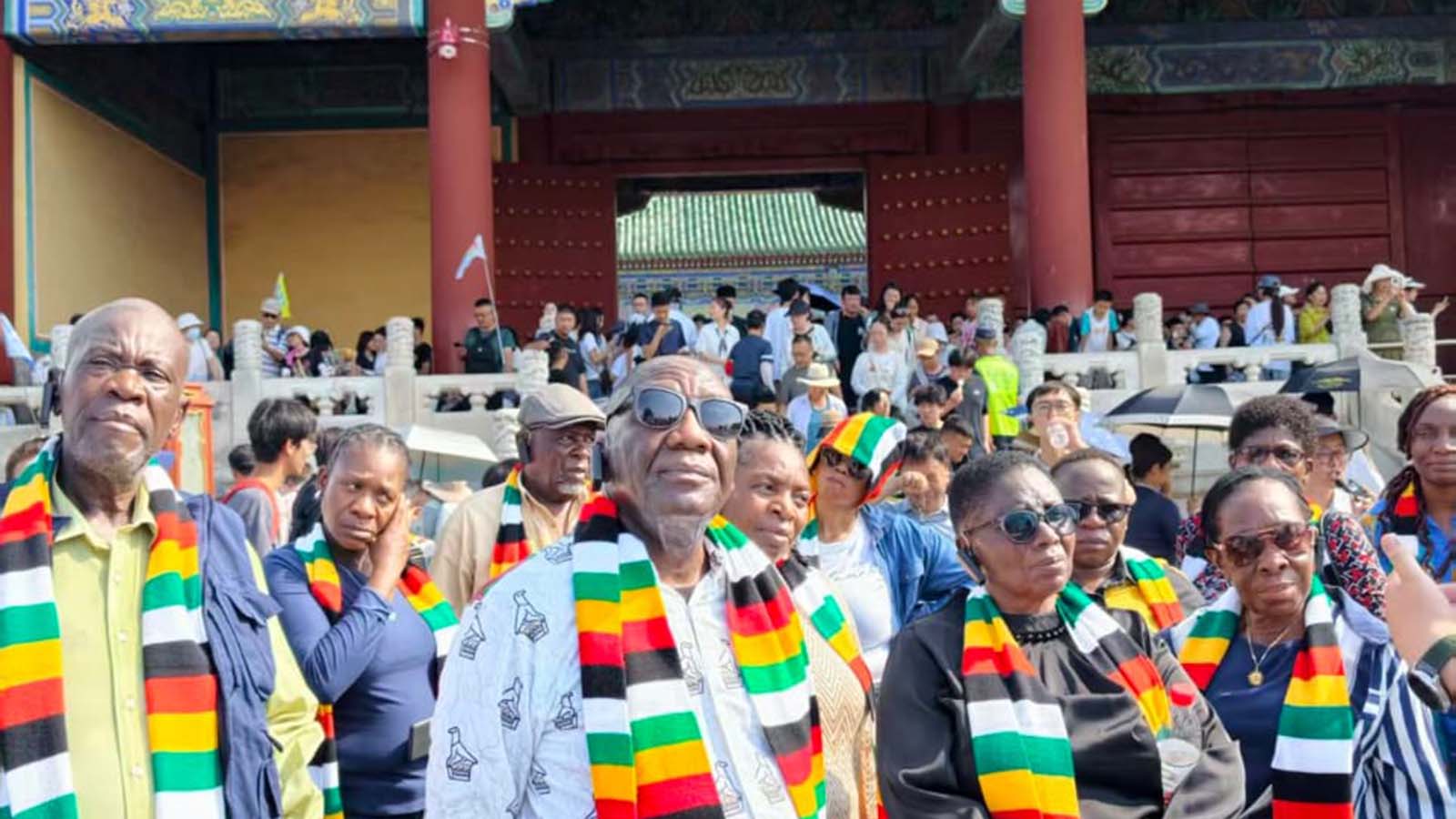
During the visit, members of the delegation sang revolutionary songs in both Shona and Mandarin, reflecting the historic bonds forged during Zimbabwe’s liberation struggle.
The delegation is also expected to visit the People’s Liberation Army Nanjing Army Command College, where some of the veterans trained more than five decades ago, as well as other historical and cultural sites before concluding the visit.