

 Chronicle Editor
Sikhulekelani Moyo, Business Reporter
ZIMBABWE is considering taking the Heavily Indebted Poor Countries (HIPC) process as part of efforts to tackle the external debt burden, which continues to frustrate national development efforts.
The HIPC initiative was adopted in 1996 by multi-lateral and bilateral creditors to ease the debt overhang for poorest countries through facilitation for debt relief processes.
Beneficiary states from this route must meet strict criteria set by the international financiers. Through this intervention, about 37 participating countries have been relieved of more than $100 billion in debt of which 31 are from Africa.
Zimbabwe owes close to US$13,3 billion to international financiers such as the World Bank and the African Development Bank while about US$3 billion is owed to local institutions.
The bloated debt burden is a stumbling block to the country’s progress as it limits access to fresh lines of credit and escalates country risk factor.
However, the Government is taking steps to tackle the burden and has laid out a comprehensive debt resolution strategy. This includes engaging African Development Bank President, Dr Akinwumi Adesina, who has committed to assisting the country in the debt resolution process including exploring the HIPC route.
Dr Adesina accepted to be “the champion” for the arrears’ clearance and debt resolution process following an engagement with President Mnangagwa.
Speaking in Bulawayo yesterday during the 4th edition of the Zimbabwe Debt Conference, Finance and Economic Development Deputy Minister, Clemence Chiduwa, said external debt accumulation over years and attendant penalties were suffocating economic progress.
“Zimbabwe continues to grapple with an unsustainable debt burden, which is estimated at US$16.7 billion (61.6 percent of GDP), as at end June 2022.
“Of this total Public and Publicly Guaranteed (PPG) debt, US$13.2 billion is external debt while US$3.5 billion is domestic debt,” said Chiduwa.
In this regard, the Deputy Minister said the Arrears Clearance, Debt Relief and Restructuring Strategy, which was launched in April 2022, has been shared with various development partners including the International Monetary Fund (IMF), World Bank Group, African Development Bank and ambassadors accredited to Zimbabwe.
“The strategy outlines and explores possible debt resolution options under the HIPC Initiative and non- HIPC Initiative scenarios. The HIPC Initiative option and process would allow the country to benefit from maximum debt relief,” he said.
Deputy Minister Chiduwa said Zimbabwe was keen to undertake the HIPC initiative if the window for eligibility is availed, adding that the country will be exploring this with the assistance of the World Bank Group, as well as support from the G7 members who are also Paris Club members.
Should the HIPC initiative be not available, he said Government will still seek to utilise a combination of its own resources and bridge concessional financing to clear arrears to the international financial institutions.
The Deputy Minister said the domestic debt was comprised of US$3.5 billion compensation for former farm owners, US$38 million Treasury Bills, US$37 million Treasury Bonds and US$10 million owed to domestic service providers.
He said the existence of these arrears and penalties remain an albatross to the achievement of the National Development Strategy (NDS 1) objectives and the attainment of Vision 2030 of becoming an upper middle-income economy.
“Government remains committed to the engagement and re-engagement with the international community and creditors for debt resolution and arrears clearance as pronounced in the NDS 1,” said Chiduwa. – @SikhulekelaniM1


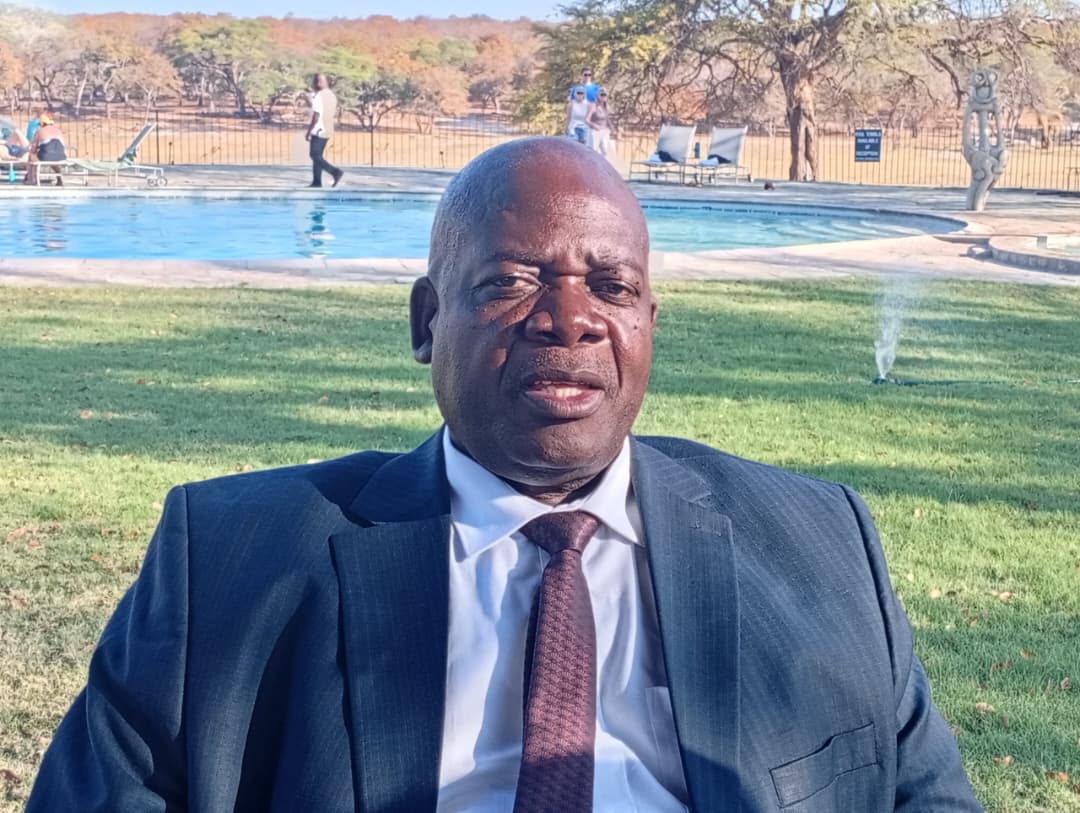
 Blessing Chizhande
 Online Reporter