Online Reporter
Tinashe Kusema-Zimpapers Sports Hub
THE Basketball Africa League gravy train is picking up speed and Zimbabwe could be left standing on the platform.
Talk of sweeping changes to the NBA-backed competition has sent fresh anxiety through local basketball circles, with BAL reportedly moving towards a franchise-based model that could shut out smaller developing nations like Zimbabwe.
A proposal currently under discussion would see 12 permanent franchises established in Africa’s biggest basketball cities as the league shifts from a qualification-based tournament into a fully commercial sports property.
Cities believed to be in contention include Nairobi, Lagos, Johannesburg, Kigali, Dakar, Rabat, Cairo, Accra and Abidjan, with Angola and Mozambique also reportedly pushing for places.
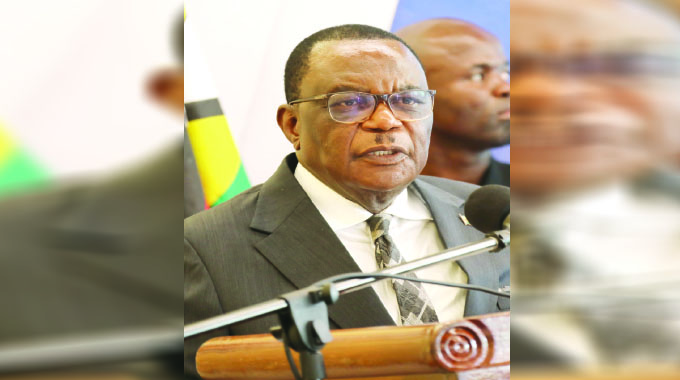
Zimbabwe is nowhere near that conversation. Basketball Union of Zimbabwe secretary-general Ignatius Yesaya confirmed discussions around major changes are ongoing, although FIBA is yet to officially communicate the final position to affiliates.
“At the moment, I cannot really comment fully because FIBA are yet to release official communication to affiliates,” said Yesaya.
“I have heard discussions around the franchise format and other proposed changes, but nothing concrete has been officially released yet.
“We expect to get a clearer picture once the latest circular comes through, possibly by the end of this month or early June.”
Still, Yesaya admitted the prospect of Zimbabwe being locked out would be a huge blow for local basketball.
“BAL has grown exponentially since its inception six years ago,” he said.
“Before BAL, AfroCan was one of the biggest competitions on the continent but it has now taken a back seat.
“Even though Zimbabwean clubs have not gone far in the competition, the teams involved have still benefited immensely.”
Yesaya pointed to the rise of Dyvonne Pfachi as proof of what exposure to the BAL environment can do for local players.
“Pfachi remains the only Zimbabwean player to feature in the BAL main competition through MBAA in South Africa and you only need to look at how much he has grown as a player,” he said.
“He is now the reigning MVP in both the Harare Basketball Association Super Six and the National League and he helped Harare Kings win both titles.” He also said Basket Hounds had improved significantly after competing in the BAL qualifiers in successive years.
But for Zimbabwean teams, the biggest hurdle has always been money.
“Funding remains our biggest obstacle,” said Yesaya.
“A team needs upwards of US$20 000 just to compete at the regional qualifiers.
“There are also strict requirements teams must meet from the qualifiers stage and most of them require money.
“You need seven local players on the roaster, developmental players, African imports and diaspora-based players. All of that comes with transport, accommodation, allowances and transfer costs.
“BAL only starts assisting financially once a team reaches the main competition.”That reality could now become even harsher.
The NBA is reportedly pushing for franchise owners capable of putting up close to US$50 million while also operating world-class arenas and commercial infrastructure.
The move comes after explosive growth in the BAL business model over the last five years. What started as a single-city bubble tournament has turned into one of Africa’s fastest-growing sports properties.
The league recorded more than 111 000 fans during the 2025 conference phases, with sold-out opening days in several host countries. More than 140 000 fans attended games across Morocco, Senegal, Rwanda and South Africa this year alone.
BAL also recorded 2.74 million YouTube views in 2025, a 69 percent jump from previous editions.
According to league figures, BAL has contributed more than US$250 million to Africa’s GDP since 2021 and projections estimate that number could rise to US$5.4 billion by 2034.
More than 50 former BAL players have gone on to sign deals in the NBA G-League, Europe and other professional leagues, turning the competition into a genuine pathway for African talent.
NBA Africa chief executive Clare Akamanzi believes the league is now ready for another major leap.
“This has been another record-setting BAL season, and we are excited by the momentum we continue to see,” said Akamanzi.
“We have seen incredible growth in attendance, viewer-ship, merchandise sales and social media engagement.
“These are the metrics you want to see in a successful league.”
Then came the clearest sign yet that the franchise era is coming.
“We believe we are now entering the phase of having permanent franchises in major African cities,” she said.
“What that will do is unlock new opportunities for infrastructure development, fan development and commercial partnerships.
“We are really excited about this next phase and it is the growth of the BAL over the last six seasons that has brought us to this point.”
And while the rest of the continent positions itself for the next gold rush in African basketball, Zimbabwe is still trying to raise qualifier fees.