Online Reporter
Sikhulekelani Moyo [email protected]
ZIMBABWE has an unfunded green infrastructure financing gap of about US$8 billion between 2025 and 2030, with commercial-only financing models making smart city and green building projects unviable without blended green finance and carbon credits, delegates at the Zimbabwe Economic Development Conference (ZEDCON) heard.
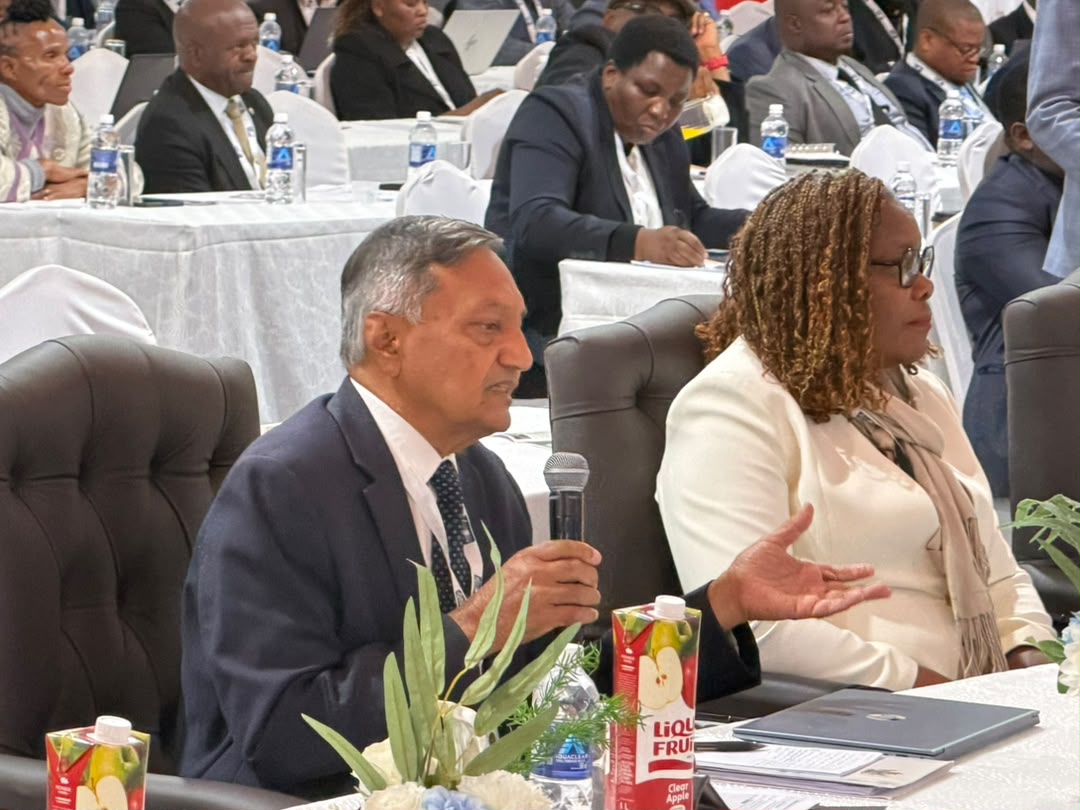
Presenting on unlocking green finance through building smart cities with smart microgrids and resource-efficient green buildings during ZEDCON, researcher Mr Joseph Sibindani said there had been a global shift towards green finance and smart cities.
He said the five main components of smart cities included smart infrastructure, open data and interconnectivity, smart governance and citizen engagement, smart mobility and transportation, as well as a smart environment and sustainability.
His presentation touched on two pillars — sustainable energy and power generation, as well as infrastructure and smart cities for enabling a business environment.
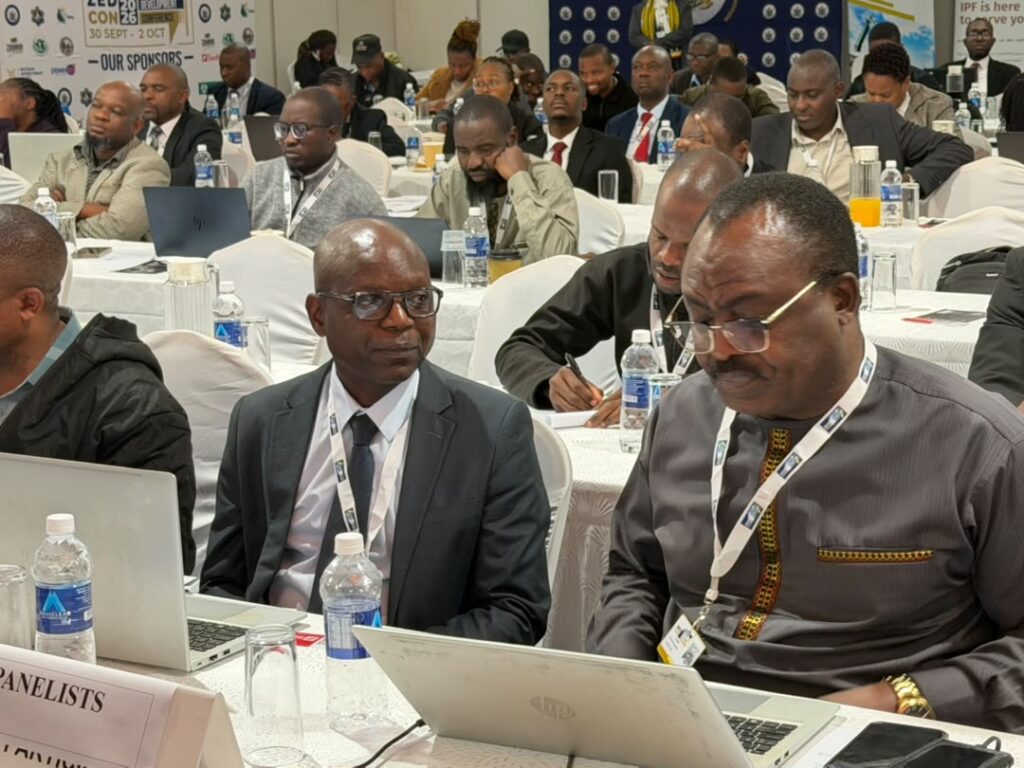
He said his research focused on two main asset classes eligible for green finance and carbon credit revenue — EDGE-certified green buildings and smart microgrids.
“The green finance market is the fast-growing market which is expected to reach about US$20 trillion by 2033. Zimbabwe, despite being a signatory of the Paris Climate Agreement, has received very little investment by way of green finance. This despite its peers in the region and in the rest of Africa, for example, South Africa, Egypt, Nigeria, Morocco, have attracted significant cash flows,” he said.
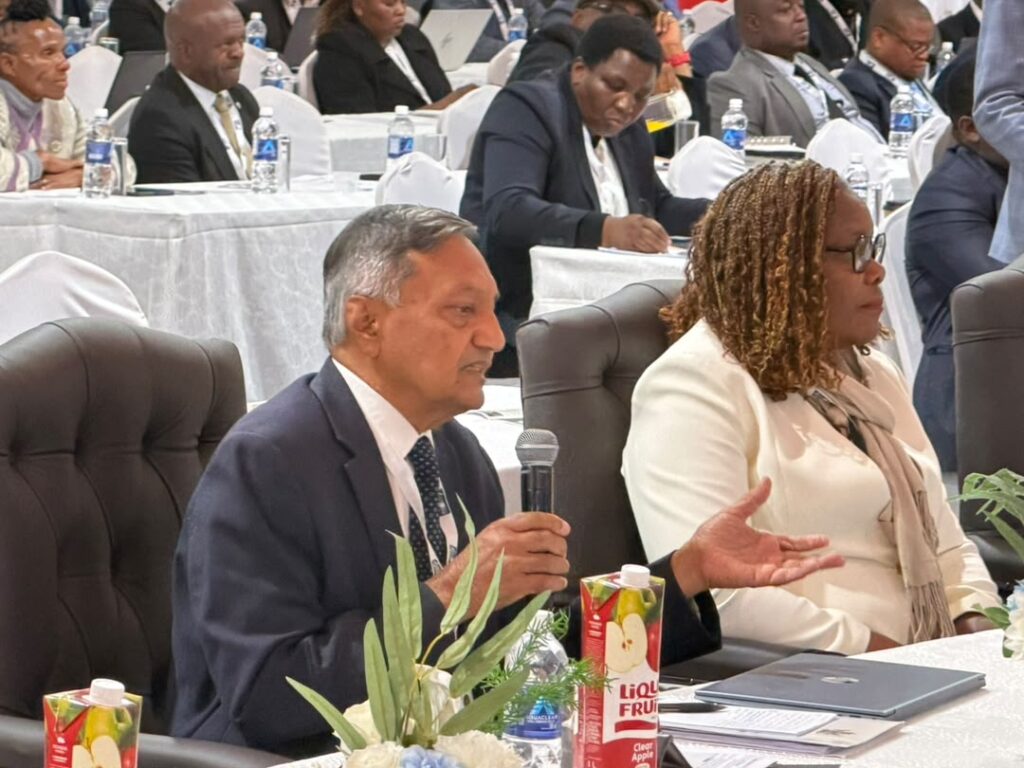
Mr Sibindani presented research which sought to quantify Zimbabwe’s green infrastructure financing gap by generation, transmission, distribution and access investment, document empirical Zimbabwean case evidence on the bankability of smart microgrid buildings and carbon credit projects, build and test an original cost-benefit scenario model for a representative public-private partnership (PPP)-delivered pilot precinct, and assess financial structure viability against Zimbabwe’s regulatory environment and institutional capacity.
He said the methodology included documentary and policy analysis, multiple case studies and scenario-based financial modelling.
Bankability metrics used were Net Present Value (NPV), Internal Rate of Return (IRR), Debt Service Coverage Ratio (DSCR) and payback period.
It was a desktop study with inputs drawn from cited Zimbabwean and regional transactions rather than global averages.
Between 2025 and 2030, the National Energy Compact estimates the green finance investment deficit at about US$9 billion.
Of that, about US$1 billion, roughly 10 percent, has been raised from private capital, leaving an unfunded gap of US$8 billion distributed across generation, distribution, off-grid solar, transmission and clean cooking.
He explained carbon credits as certificates gained when emissions are removed, avoided or reduced, with one credit equivalent to one tonne of carbon dioxide or other greenhouse gas equivalents avoided.
Mr Sibindani identified regulatory bottlenecks undermining viability, citing SI 14 of 2024, which governs carbon credits.
“SRAE 14-04-2025, which governs carbon credits, has mandatory contributions to the nationally determined contribution of the country of one percent for all carbon credit-earning projects, two percent to the national buffer, as well as 10 percent to a national transaction account. This leaves the investor with just 67 percent of the gross proceeds,” he said.
“If this legislation can be relooked at, it can also push up the viability of these kinds of projects.”
He said Measurement, Reporting and Verification (MRV) was critical to avoid greenwashing, and the Carbon and Markets Association of Zimbabwe needed to be capacitated to ensure its verification capacity was credible so carbon credits could be traded internationally.
Grid data collection capacity also needed to be predictable.
Mr Sibindani recommended Government intervention with Viability Gap Funding mechanisms, especially for environmentally and socially beneficial projects, and strengthening the Carbon Markets Association’s MRV capacity.
“The study quantified the financing gap at about $8 billion. Commercial-only finance makes most of these projects unviable, but when blended with green finance and carbon credits earnings, this can push the viability gap,” concluded Mr Sibindani.
“Even under the best model structure, the viability gap remains for this model that we’re looking at. But if we scale it up, the economies of scale will come in, and the viability will be improved as well.”