peter
peter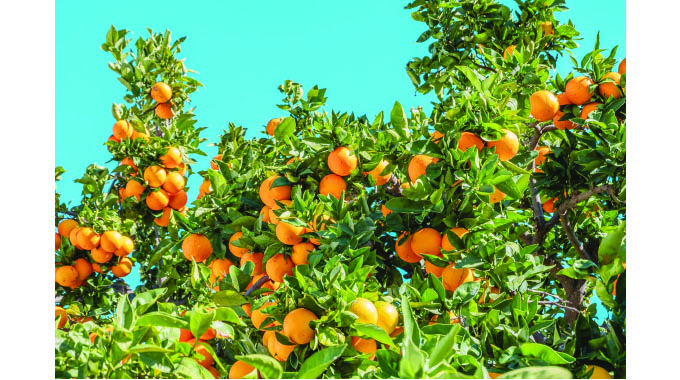
Judith Phiri, Business Reporter
THE Horticultural Development Council (HDC) has said investment incentives and financing tailor-made to fund the long-term nature of citrus investment will see the country establishing at least 8 000 to 10 000 hectares of citrus by 2030.
Zimbabwe used to have about 10 000 hectares of land under citrus farming but estimates indicate this has dwindled to around 5 000 hectares with most of the citrus production taking place in Beitbridge.
Responding to questions from Sunday News Business, HDC chief executive officer (CEO) Ms Linda Nielsen said the country had the potential to increase hectarage in citrus farming.

“To fund the long-term nature of citrus investment requires patient capital. The potential growth and investment opportunities are anchored on recent market inroads following Zimbabwe signing protocols to export citrus to China.
“Even before the Chinese markets we secured in 2022, Dodhill had been in partnership with a leading exporter of citrus from South Africa, to enable Zimbabwe’s citrus access to as many as 48 country destinations.
“Zimbabwe’s citrus has an opportune moment to in-print its global footprint, with local farmers being at the heart of that global reach. Thanks to initiatives such as the Chegutu model being developed by local investors promoting and ring-fencing citrus plantations on A2 farms within the identified citrus zone.”
She said in Chegutu an inclusive investment model has been secured within the joint venture agreements being approved by the Ministry of Lands Agriculture Fisheries Water and Rural Development.
Ms Nielsen said through its membership, local investors Sable Park Estates and Dodhill Nurseries, have embarked on establishing a commercial citrus production zone in the Chegutu District.
“Since early 2022 their citrus investment drive has been establishing new citrus plantation and supporting irrigation infrastructure on state-allocated A2 farms.
“Preparation for the citrus hub begun as early as April 2018, when Sable Park Estates secured critical water rights of up to 4 000 mega litres of water from surrounding dams, up until 31 March 2038, to secure irrigation of the anticipated citrus production hub,” she added.

The HDC CEO said the new investment drive was not only setting up Chegutu’s revival as a key citrus hub in Zimbabwe, but a boost to the Government’s Horticulture Recovery and Growth Plan whose objective is to position horticulture as a driver of broad-based economic growth towards Vision 2030 of a middle-income economy.
Meanwhile, the country’s trade promotion and development agency, ZimTrade, has urged local producers to take advantage of the opening of the citrus export window to China.
The General Administration of Customs of China, released a list of registered Zimbabwean orchards and packhouses for fresh citrus exports to the giant Asian economy.
The fresh citrus products to be exported to China from Zimbabwe include sweet orange (Citrus sinensis), mandarin orange (Citrus reticulata), grapefruit (Citrus paradisi), lemon (Citrus limon and Citrus aurantifolia), and sour orange (Citrus aurantium).



 Online Reporter