Online Reporter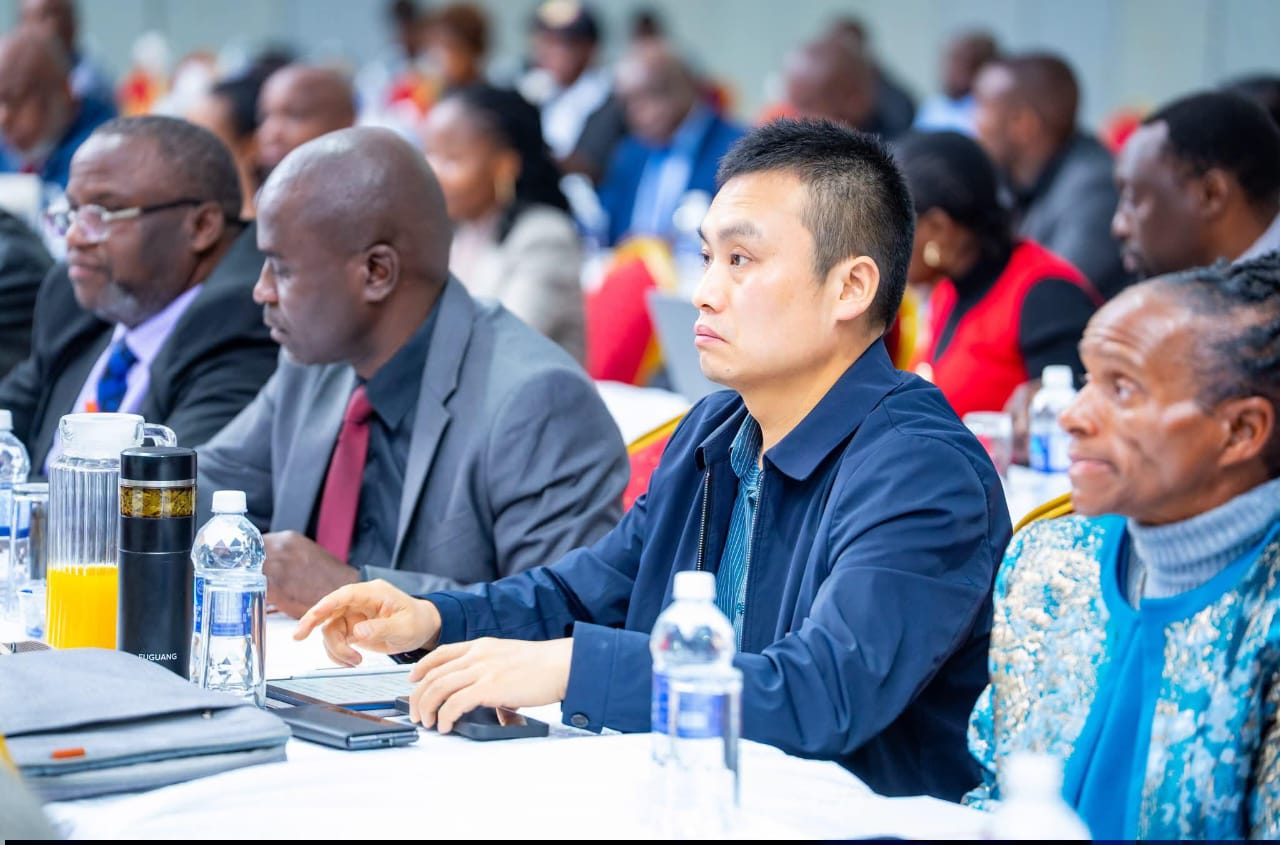
Judith Phiri, [email protected]
THE Zimbabwe Investment and Development Agency (ZIDA) has highlighted five key priorities to attract investment into Bulawayo, including strategically positioning the city within the bounds of its competitive strengths.
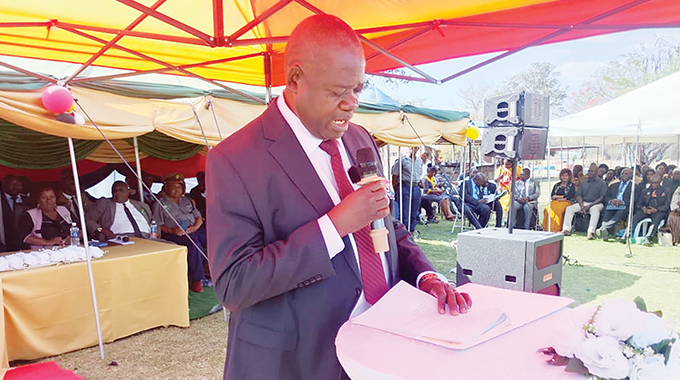
Speaking at the Bulawayo Investment Indaba on Thursday, ZIDA chief executive officer (CEO), Mr Tafadzwa Chinamo, said to attract investment at scale, Bulawayo should focus on at least five priority areas.
“These include identifying projects aligned to advantages, preparing projects assessed to bankable standards, packaging clear risk and returns profiles, marketing and promoting these to global investors and accelerating coordinated implementation.
“This practical roadmap for Bulawayo is a pathway from policy to projects, from projects to deals and from deals to transformation. Bulawayo’s future depends not on the opportunities it possesses, but on its ability to convert them,” he said.
“Prepare bankable projects, structure viable deals, mobilise the right partners and be one of Zimbabwe’s leading destinations for investment. The opportunity is before us. The time for preparation, partnership and execution is now.”
He said Bulawayo should position itself around existing industrial estates and factories, with scope for redevelopment and modernisation.
Mr Chinamo said the city had good logistics networks with sound rail, road and air connectivity into regional trade corridors, while there was skilled human capital of engineers, technicians and entrepreneurs from high and tertiary institutions such as the National University of Science and
Technology (NUST), Zimbabwe School of Mines (ZSM) and Bulawayo Polytechnic.
“Bulawayo also has exhibition facilities; we have the Zimbabwe International Conference and
Exhibition Smart City (ZICES), an established Meetings, Incentives, Conferences and Exhibitions (MICE) base, with Matobo and the western tourism circuits nearby. There is potential for renewable energy for solar generation, industrial energy solutions and green industrial parks.”
Mr Chinamo said the city had an engineering heritage with deep manufacturing and engineering capability built over generations.
On project preparation, he said opportunities fail to attract investors if presented as ideas rather
than investment propositions, while every priority project should be supported by feasibility studies, market assessments, financial models, environmental compliance, risk mitigation plans, governance structures and revenue streams.
“Investors evaluate viability, risk, governance, returns and evidence. Bulawayo should establish a
structured project pipeline focused on eight sectors. These are manufacturing through industrial park redevelopment and factory modernisation and energy for solar-powered industrial facilities and industrial energy solutions.
“On mining beneficiation, the city can do mineral processing and related manufacturing, while it can develop logistics hubs, warehousing and dry ports. Municipal infrastructure should support industrial and urban growth,” he said.
He said tourism and MICE infrastructure expansion were critical and setting up technology and innovation hubs linked to local institutions was key.
Mr Chinamo said agro-processing would attract agricultural value-chain and food processing
investment.
“Success is measured not by opportunities identified, but by projects prepared. On structuring investment deals in Bulawayo, once projects are investment-ready, they must be structured into transactions that clearly define ownership, responsibilities, financing, risk allocation and expected returns.”
He said financing structures available were public-private partnerships (PPPs), joint ventures, private equity, venture capital and blended finance, as investment went to those who structure transactions efficiently and provide investor confidence.
Mr Chinamo said that, as ZIDA, their role was to structure projects to investment-ready standards, position Bulawayo’s opportunities to investors and support investors through establishment and implementation.
“We also engage Government institutions on approvals and requirements, connecting projects with the right investors and partners, as well as guiding sponsors and investors through to financial close.
“The obstacle is not capital; the challenge is bankable projects. Mobilising capital for growth is critical. Some of the sources of capital include pension funds, infrastructure funds, development finance institutions, commercial banks, diaspora investors and private equity,” he added.
He said capital, investors and opportunities existed, but the critical question is whether Bulawayo can present projects that satisfy investor requirements.
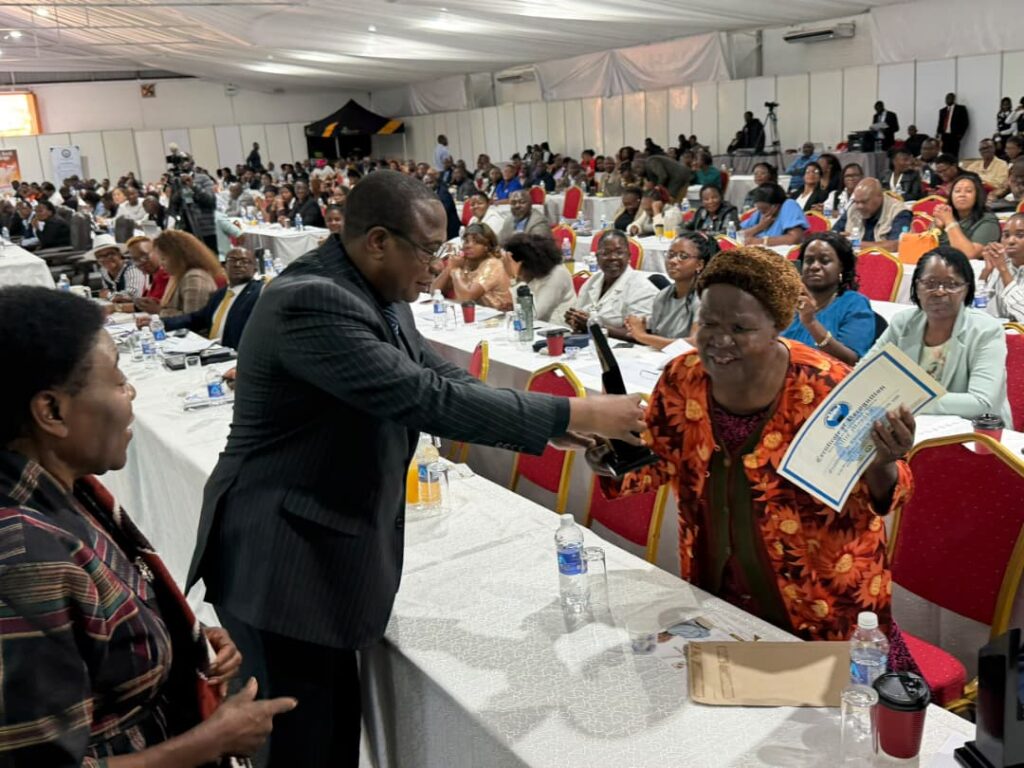
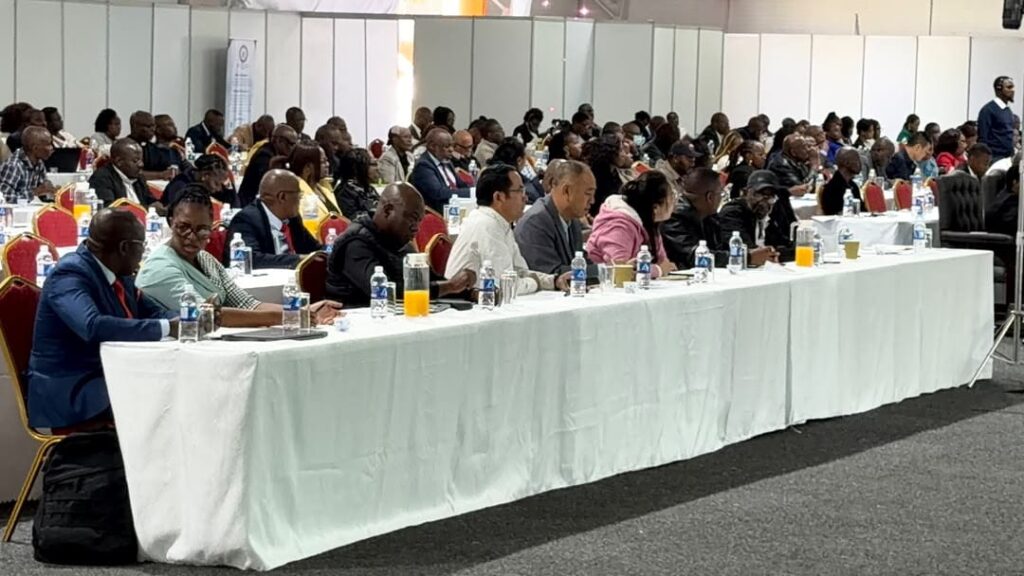
The two-day event held at the ZICES is ran under the theme: “Unlocking Strategic Investment Opportunities for Sustainable Industrial Transformation.”
Finance, Economic Development and Investment Promotion Minister Professor Mthuli Ncube graced the event as the Guest of Honour on Friday for the official opening.
Women Affairs, Community, Small and Medium Enterprises Development Minister Senator Monica Mutsvangwa was a key speaker. At the same time, Bulawayo Minister of State for Provincial Affairs and Devolution Judith Ncube was the host among other speakers.
The conference was convened as a national investment and economic development forum to foster strategic partnerships, promote investment, strengthen industrialisation and empower women as key drivers of inclusive and sustainable economic growth.