Vusumuzi Dube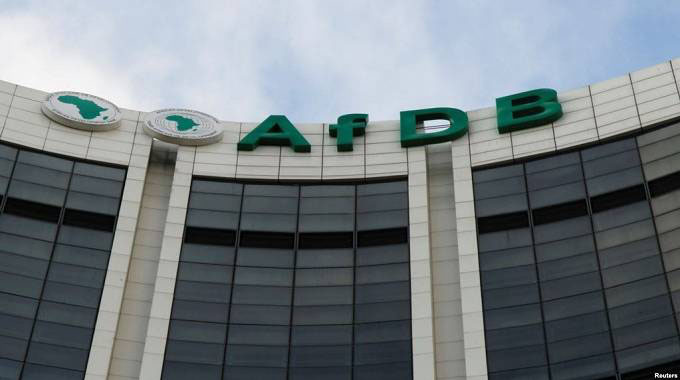
Nqobile Bhebhe, Zimpapers Business Hub
AS the world marks International Clean Energy Day tomorrow (26 January), Zimbabwe stands at a pivotal crossroads in its energy history with clear signs that the country’s transition towards cleaner, more sustainable power is moving from policy intent to measurable delivery.
International Day of Clean Energy, declared by the United Nations General Assembly, is a global call to raise awareness and mobilise action for a just and inclusive transition to clean energy for the benefit of people and the planet.
The inaugural commemoration was held in 2024, underscoring the urgency of accelerating efforts to link clean energy with socio-economic development and environmental sustainability — particularly for vulnerable communities.
With a dedicated focus on advocating for clean and renewable energy sources, the occasion serves as a unifying platform for governments, businesses and individuals across the globe to expedite the shift towards more sustainable and efficient energy systems.
Globally, lack of access to clean and reliable energy continues to constrain education, healthcare and economic opportunity.
Many developing regions still depend heavily on polluting fossil fuels, a cycle that perpetuates poverty and environmental degradation.
Against this backdrop, Zimbabwe’s clean energy push under the Second Republic is gaining renewed significance.
Economic players agree that energy insecurity has long been a stumbling block for Zimbabwe’s industrial growth and socio-economic development.
Zimbabwe is facing an energy deficit, with a maximum available production capacity of approximately 1 500 megawatts (MW) against a national demand of around 2 000MW.
This demand is expected to exceed 5 177MW by 2030, driven by growth in mining, manufacturing, agriculture, and increased household consumption.
Persistent load-shedding and overreliance on ageing thermal plants left households and businesses vulnerable, undermining productivity and investor confidence.
However, over the past few years, strategic policy reforms and targeted interventions have begun to reverse this trajectory, placing the country’s clean energy transition firmly on the national development agenda.
Under the Government’s renewable energy strategy, Zimbabwe aims to generate more than 2 600 megawatts (MW) from renewable sources by 2030, in line with Vision 2030’s objective of a resilient and diversified energy mix.
These targets directly address structural challenges such as seasonal fluctuations in hydroelectric output, ageing coal stations and the persistent gap between electricity supply and demand.
To reduce dependence on hydro and thermal power, the country has accelerated investment in solar, bioenergy and mini-grid solutions, supported by regulatory incentives and net-metering frameworks for independent power producers (IPPs).
These measures are already attracting both local and international investors.
During the National Development Strategy 2 (NDS2) implementation period, priority is being placed on achieving universal access to reliable, affordable, sustainable and clean energy for all Zimbabweans by 2030.
“This will ensure the country transitions towards a resilient, inclusive and low-carbon energy future in line with the National Energy Compact.
“Government will continue promoting the use of renewable energy resources as a primary source of energy, particularly solar, wind and hydroelectric power.
“During NDS 2, Government will also scale up investment and utilisation of other energy sources to reduce pressure on the national grid, diversify the energy mix and strengthen national energy security,” reads part of NDS2.
The Government developed an energy compact in collaboration with the African Development Bank (AfDB) and the World Bank under the Mission 300 initiative, which aims to ensure all citizens have access to reliable, affordable, and sustainable energy by 2030.
The US$5 billion Mission 300 is a joint initiative by the World Bank and AfDB to connect 300 million people in Sub-Saharan Africa to electricity by 2030.
The compact is anchored on five pillars: expanding generation and network infrastructure at competitive costs; leveraging on regional integration; scaling up distributed renewable energy and clean cooking solutions; incentivising private sector participation and ensuring financially-sustainable utilities.
At the core of this transition are forward-looking frameworks introduced in recent years, notably the National Renewable Energy Policy and the National Energy Efficiency Policy, launched in 2025.
These policies aim to optimise resource use, reduce energy waste and unlock Zimbabwe’s vast renewable potential.
The deliberate opening up of the energy sector to IPPs, combined with incentives such as currency convertibility and cost-reflective tariffs, has galvanised investor interest and expanded the project pipeline.
“These reforms are not only policy statements, they are actionable plans that facilitate private sector participation, improve bankability of projects, and create an enabling environment for scaling up renewable power,” said energy policy specialist Mr Tatenda Phiri.
A major catalyst for Zimbabwe’s clean energy drive has been the introduction of the Zimbabwe Renewable Energy Fund (REF), launched with initial financing and coordinated support from the United Nations and domestic partners.
The REF currently manages about US$45 million, with ambitions to expand further, funding projects that could raise renewable capacity from around 142MW to more than 2 000MW by 2030.
Energy analysts say Zimbabwe’s progress is credible, though work remains.
Mr Phiri notes that reforms have unlocked a previously dormant project pipeline.
“What we are seeing now is an uptake in distributed generation, particularly solar and mini-grids, that was not possible a few years ago. These developments are critical for reducing load-shedding and expanding access in rural areas,” he said.
Mr Phiri added that decentralised energy is not just about clean power, but also about resilience and local economic empowerment.
“The country’s abundant solar irradiation, coupled with policy incentives for IPPs, creates a strong foundation for utility-scale solar and hybrid projects. The transition to cleaner energy is now financially and technically viable,” he said, while acknowledging the need for grid modernisation and storage solutions.
For Ms Nomthandazo Ndlovu, a Bulawayo resident, clean energy transition is inseparable from economic transformation.
“Renewable energy offers Zimbabwe a pathway to industrialisation, job creation, and exportable electricity. If we harness our renewables, solar, mini-hydro, bioenergy we can move from a net importer of energy to a regional producer.”
Beyond policy and finance, clean energy is becoming increasingly visible across communities.
The Zimbabwe Energy Regulatory Authority (Zera) reports several operational IPP solar plants and a growing number of mini-grid installations bringing electricity to under-served areas, stimulating local businesses and improving quality of life.
These initiatives are complemented by programmes such as solar water heating and solar-powered LED street lighting, which reduce pressure on the national grid and lower energy costs for households and municipalities.
Community-based systems, particularly in rural districts, are enabling solar-powered irrigation, cold storage and off-grid health facilities, embedding clean energy directly into livelihood improvements.
One of the flagship projects reinforcing Zimbabwe’s clean energy ambitions is the 600MW floating solar photovoltaic (PV) power plant on Lake Kariba, whose first phase is scheduled to commence in the second quarter of 2026.
The initial 150MW phase marks a critical step in addressing regional electricity deficits while advancing green energy objectives.
The project was confirmed in a communiqué from the Zambezi River Authority (ZRA) Council of Ministers, following its 43rd meeting held in Victoria Falls last December.
Zimbabwe’s move aligns with a proven global trend, with countries such as China and Singapore already deploying floating solar technology to conserve land and reduce water evaporation.
“The Council of Ministers noted progress on the Kariba Floating Solar PV Project, including the African Development Bank’s completion of consultant evaluations and appointment of a joint venture consortium to conduct feasibility studies,” reads the communiqué.
“In addition, COM acknowledged Zimbabwe’s authorisation of a 600MW floating solar PV power plant on Lake Kariba, to be implemented in three phases, starting with 150MW in the second quarter of 2026.”
Other key initiatives include the Solar Water Heating Programme, targeting the installation of 250 000 units, the Solar Street Lighting Programme, and the Solar Mini-Grid Programme implemented through the Rural Electrification Fund.
Energy analysts argue that stable, clean and affordable power is one of the strongest signals a country can send to investors.
Global capital is increasingly flowing towards Environmental, Social and Governance (ESG)-compliant projects.
Zimbabwe’s clean energy transition positions the country to tap into international climate finance, green bonds and concessional funding that are unavailable to carbon-intensive economies.
“Clean energy projects qualify for climate finance, blended finance and development funding. This lowers the cost of capital and makes Zimbabwe more attractive to long-term investors looking for sustainable returns,” he says.
Initiatives such as the Zimbabwe Renewable Energy Fund (REF) and partnerships with multilateral institutions demonstrate how clean energy acts as a gateway for broader investment flows, including infrastructure, technology transfer and skills development.
Clean energy availability is also stimulating downstream investment. Reliable electricity supports industrial parks, data centres, cold-chain logistics and agro-processing hubs — sectors that thrive on consistent power supply.
Solar mini-grids and off-grid solutions are opening up rural economies, creating investment opportunities in irrigation, food processing, and digital services.
This decentralised energy model reduces entry barriers for small and medium enterprises, broadening Zimbabwe’s investment base.
“Energy reliability is often the first question investors ask,” said Mr Phiri.
“When a country demonstrates commitment to renewable energy, it reduces operational risk for investors, especially in mining, manufacturing and agriculture.”
Zimbabwe’s clean energy reforms including guaranteed grid access for IPPs and currency convertibility have improved project bankability and strengthened investor confidence.
Energy consultant Mr Gladmore Masiwanhedza said: “Beyond addressing power deficits and climate obligations, Zimbabwe’s accelerated shift towards clean energy is increasingly being viewed as a powerful investment enabler.
“Under the Second Republic, renewable energy has evolved from a social good into a strategic economic lever capable of unlocking capital across multiple sectors.”
According to the Food and Agriculture Organisation, energy and agriculture are deeply interconnected.
Energy is fundamental to every stage of the agrifood systems. It powers irrigation systems, agricultural machinery, food processing, storage and transportation.
It says clean energy plays a transformative role in food value chains, therefore investing in sustainable energy, particularly solar, can revitalise rural economies by making farming more viable — creating employment opportunities for youth and improving food security and resilience.
“Energy access is crucial across all stages of the food value chain, from land preparation, harvesting, processing, preservation to market access. Although the initial investment in renewable energy technologies can be high, it can yield quick returns as it is more cost-effective and environmentally friendly than fossil fuels.”
As Zimbabwe commemorates International Clean Energy Day, the evidence points to a country steadily translating ambition into action.
With policy momentum, growing private sector participation, innovative financing and expanding community impact, clean energy is no longer merely an environmental imperative — it is a strategic national asset, positioning Zimbabwe as a competitive destination for sustainable investment and inclusive growth under the Second Republic.



 Online Reporter