Rutendo Nyeve, [email protected]
GOVERNMENT has clarified concerns surrounding the country’s fuel pricing structure, explaining that while Zimbabwe’s fuel prices are relatively higher than some regional peers, the country is not the most expensive in the region.
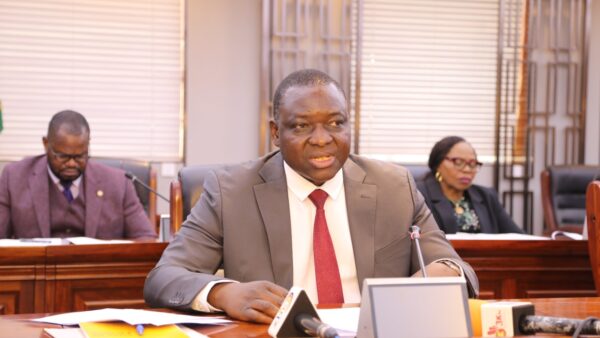
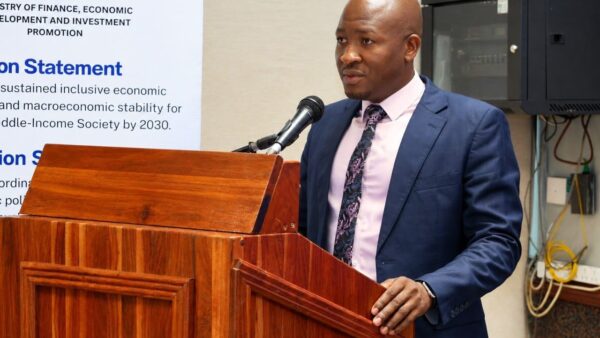
Finance, Economic Development and Investment Promotion Minister Professor Mthuli Ncube said Malawi at present ranks as the most expensive, with Zimbabwe positioned just below it.
Speaking in Bulawayo recently, Prof Ncube provided a detailed breakdown of the factors influencing local fuel prices, assuring the public that authorities are implementing targeted measures to cushion consumers from global shocks, particularly ongoing tensions in the Middle East.
“We are not the highest in the region. We are number two, the highest is Malawi. Our prices are very similar to prices in Kenya, by the way, if you want a real comparison,” Prof Ncube said.
He attributed the higher costs mainly to three structural factors affecting Zimbabwe’s pricing model. First, the country’s landlocked position attracts additional ransport costs, as fuel imported through ports in Mozambique or South Africa must be transported inland.
“When fuel comes through by ship, lands in Mozambique, it has to be transported here. So, we have to take into account the transportation costs, or if it’s through South Africa or Durban, for example, we have to take that into account in the price build-up. That’s the first thing, the price of being landlocked.”
Secondly, Prof Ncube said taxes and levies contribute to the final pump price, accounting for about 54 US cents per litre of diesel.
He noted that Government has some control over this component and has, at times, waived or reduced certain charges to ease the burden on consumers.
The third and most significant factor, he said, is the cost of procurement. Zimbabwe pays between 30 and 40US cents more per litre at the point of entry compared to other countries in the region, even before taxes are factored in.
“That’s why when we remove the taxes, you find that our price was still higher than others. So, our procurement process should be improved so that we lower the cost of diesel, so that we lower the cost of procurement,” Prof Ncube said.
On the currency front, the Minister welcomed increasing acceptance of the Zimbabwe Gold (ZiG) currency for fuel purchases, describing it as a positive development linked to improved currency stability.
“We cannot dictate at this stage, which currency one should use, but the fact that ZiG is being accepted is a very positive thing. Often, we have heard, ‘Oh Government, if ZiG is such a strong currency, why can’t it buy fuel?’ But it’s clear that the stability of the ZiG now is allowing it to be acceptable as a currency for purchase of fuel,” he said.
Addressing concerns over the impact of Middle East tensions, Prof Ncube outlined four key channels through which global developments affect Zimbabwe, namely fuel, fertiliser, food and other products derived from oil and gas.
In response, Government has implemented a range of measures, including removing certain taxes, maintaining strategic fuel reserves — both directly and through third-party arrangements — and increasing the petrol blending ratio from five percent to 20 percent.
“When we increase the petrol blending ratio from five percent to 20 percent, the price of petrol dropped by 15 cents a litre, so clearly that’s positive,” he said.
Prof Ncube also encouraged the fast-tracking of diesel blending initiatives, which could further reduce fuel costs in the long term.
He acknowledged that while fuel taxes remain an important source of revenue due to high compliance levels, Government will continue to adjust them where necessary to cushion consumers from price shocks.
With regional comparisons clarified and new policy measures being rolled out, Government expressed confidence that Zimbabwe’s fuel pricing can be improved through more efficient procurement systems, sustained blending initiatives and targeted fiscal interventions.