Ivan Zhakata
Herald Correspondent
ZIMBABWE has proposed the establishment of a COMESA Circular Economy Fund to finance cleaner production, recycling infrastructure and waste-to-value projects across the region.
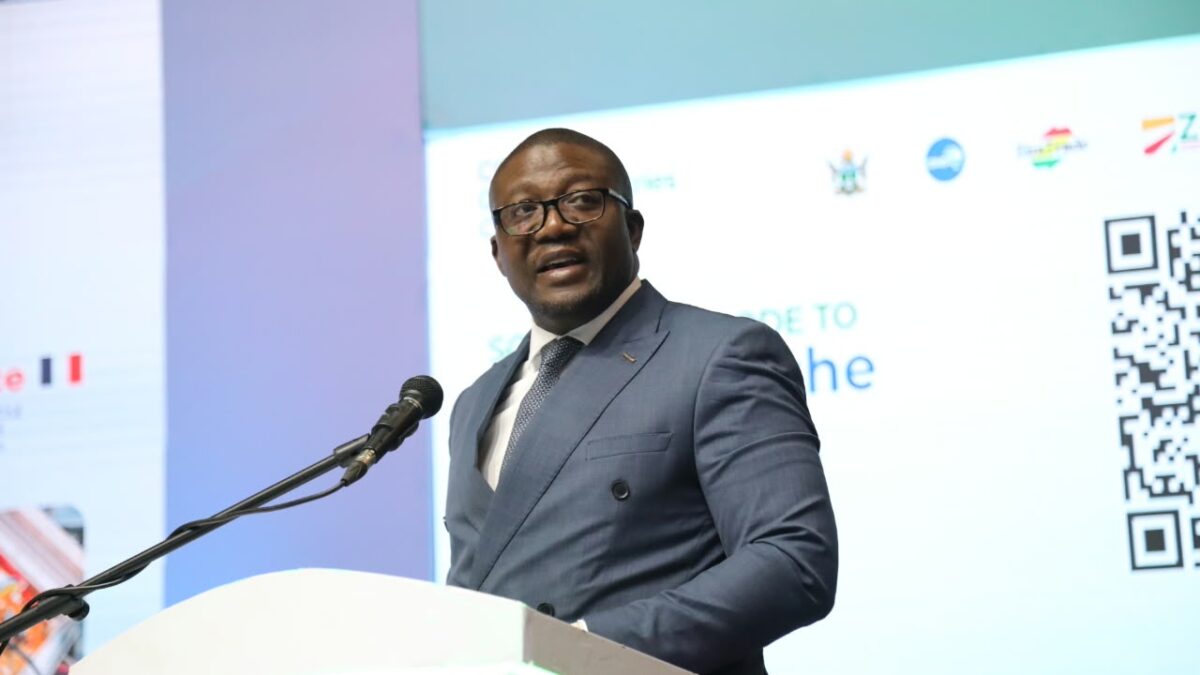
Addressing the COMESA Green Industries Connect Conference at the Harare International Conference Centre on Monday, Industry and Commerce Minister Mangaliso Ndhlovu said the fund will support viable enterprises investing in cleaner production, energy-efficient equipment, recycling infrastructure and the conversion of waste into productive inputs.
He said such a facility would require careful design, sustainable financing and transparent eligibility criteria to ensure that resources are directed towards commercially sound projects with measurable industrial and environmental benefits.
Minister Ndhlovu said the meeting of COMESA Ministers responsible for Industry and Investment held on September 8, 2026, ministers committed to an inclusive transition to a circular economy and the promotion of green and circular businesses.
They also called for implementation of the COMESA Green Pharmaceutical Manufacturing Strategy for 2026-2035, welcomed the SWITCH-2-Circular Economy Programme and reaffirmed support for cleaner production and stronger regional value chains, including in the leather sector.
“Our immediate responsibility is to convert these commitments into implementation,” Minister Ndhlovu said.
“Member States must integrate regional priorities into national industrial development programmes, assign clear institutional responsibilities, mobilise resources and establish mechanisms for monitoring delivery.”
He said Zimbabwe is working with the Climate Technology Centre and Network on a National Decarbonisation Roadmap for the cement sector, with opportunities also identified in iron and steel and mineral processing.
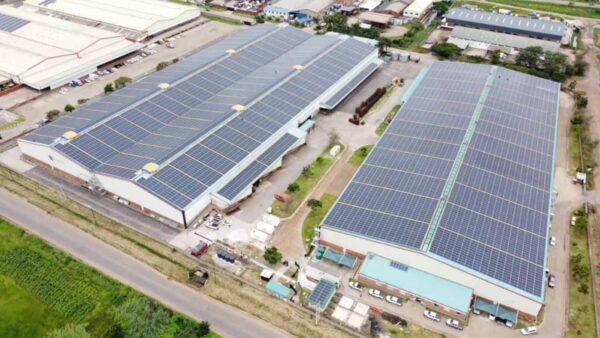
Minister Ndhlovu said recent investments in renewable energy, energy-efficient machinery and water-recycling systems were lowering production costs for manufacturing firms and strengthening industrial competitiveness.
He called for greater alignment of green standards, cooperation on product testing and improved conformity assessment to reduce compliance costs and facilitate cross-border movement of qualifying products.
“A more integrated regional market would give manufacturers the scale needed to justify investment in cleaner technologies, expand production and compete more effectively,” he said.
Minister Ndhlovu also urged COMESA countries to position themselves in electric vehicle assembly, charging infrastructure, battery technologies and component manufacturing and said the region”s ambition must extend beyond importing finished products to developing the skills, technologies and productive capabilities required to capture a greater share of the emerging value chains.
Citing Zimbabwe’s shipment of locally processed lithium sulphate to China as evidence of value chain upgrading opportunities, the minister pledged cooperation as Zimbabwe assumes its COMESA Chairmanship.
“As Zimbabwe assumes its COMESA Chairmanship, we stand ready to work with Member States, the COMESA Secretariat and the private sector to strengthen implementation of our shared industrialisation commitments,” he said.
Minister Ndhlovu said success will be measured not by the number of strategies adopted, but by the investments mobilised, factories modernised, resources used more efficiently, enterprises developed and jobs created.