Walter Nyamukondiwa in MHANGURA
Zimbabwe is on course to complete 14 AI-powered grain silo projects by mid-2027, in a major expansion of national storage capacity designed to preserve harvests for up to five years and strengthen food security against drought.
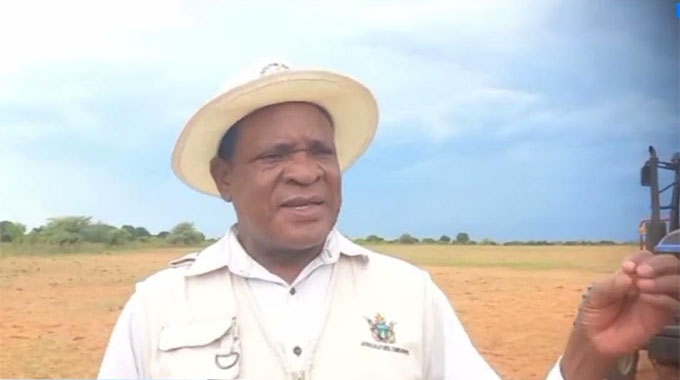
Agriculture, Mechanisation and Water Resources Development Minister Dr Anxious Masuka, said this on Thursday during a tour of the Grain Marketing Board (GMB) Mhangura depot, where construction of the new silos is 98 percent complete and grain intake has started.
The Mhangura facility is the third under the programme, following the commissioning of similar silos in Kwekwe and Mutare.
Dr Masuka said President Mnangagwa had directed GMB to double its storage capacity from 750 000 tonnes to 1,5 million tonnes by 2030, with the 14 new facilities each designed to hold 56 000 tonnes.
The projects are at different stages of construction, with Mvurwi about 94 percent complete and the remaining sites averaging around 80 percent. All 14 are expected to be completed by mid – 2027.
“Climate change is real, so we must climate – proof agriculture. Once you have increased production and productivity, as we have seen with wheat, you must secure the harvest,” said Dr Masuka.
More than 470 tonnes of maize had been loaded into the Mhangura silos by Thursday, while other deliveries remained stacked using conventional storage methods.
The new facilities use controlled aeration and monitor temperature, moisture, humidity and carbon dioxide levels, allowing grain to be stored for up to five years.
Unlike conventional silos, which require grain to be turned regularly to maintain its quality, the AI-powered system is designed to preserve grain for longer while eliminating post-harvest losses at GMB depots.
“With these, you control the temperature, the moisture, the humidity, the carbon dioxide, everything and you store this maize for much longer, up to five years,” Dr Masuka said.
“At the GMB level, we will have eliminated post-harvest losses.”
The expansion will also take storage infrastructure closer to drought-prone communities, with facilities planned for areas such as Gokwe, Lupane, Gwanda and Rutenga.
Locating grain reserves closer to vulnerable communities is expected to reduce the cost of transporting maize from major production areas when drought strikes and food assistance is needed.
“You do not have to incur these logistical costs of moving maize when the drought hits,” Dr Masuka said.
Beyond the 14 new facilities, eight existing conventional silos will be upgraded to the same technology, starting with Aspindale, bringing the total number of new and upgraded sites under the programme to 22.
Meanwhile, GMB chief executive officer Dr Edson Badarai said Treasury had released US$10 million on Thursday to pay farmers for grain and other crops delivered to the parastatal.
He said GMB had paid farmers for crops including maize and finger millet, with part of the latest disbursement going towards wheat deliveries made this month. The parastatal expects another tranche of about ZiG100 million.