Online Reporter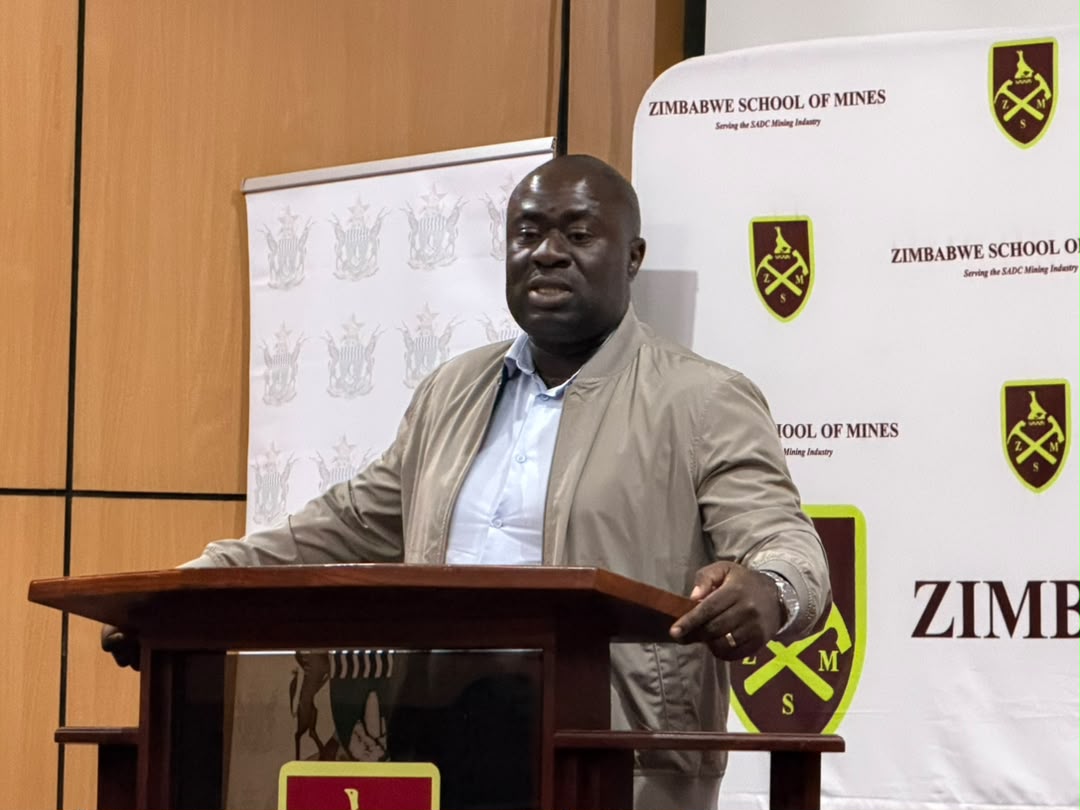
Judith Phiri, [email protected]
THE Zimbabwe School of Mines (ZSM) is positioning itself at the centre of Zimbabwe’s mineral-led economic transformation, with its 2026-2030 strategic plan prioritising the development of world-class mining professionals to drive innovation, beneficiation and sustainable mineral development.
Speaking at the institution’s 32nd Graduation Ceremony, ZSM principal Engineer Edwin Gwaze said the year 2026 marks a significant milestone in the history of the institution.
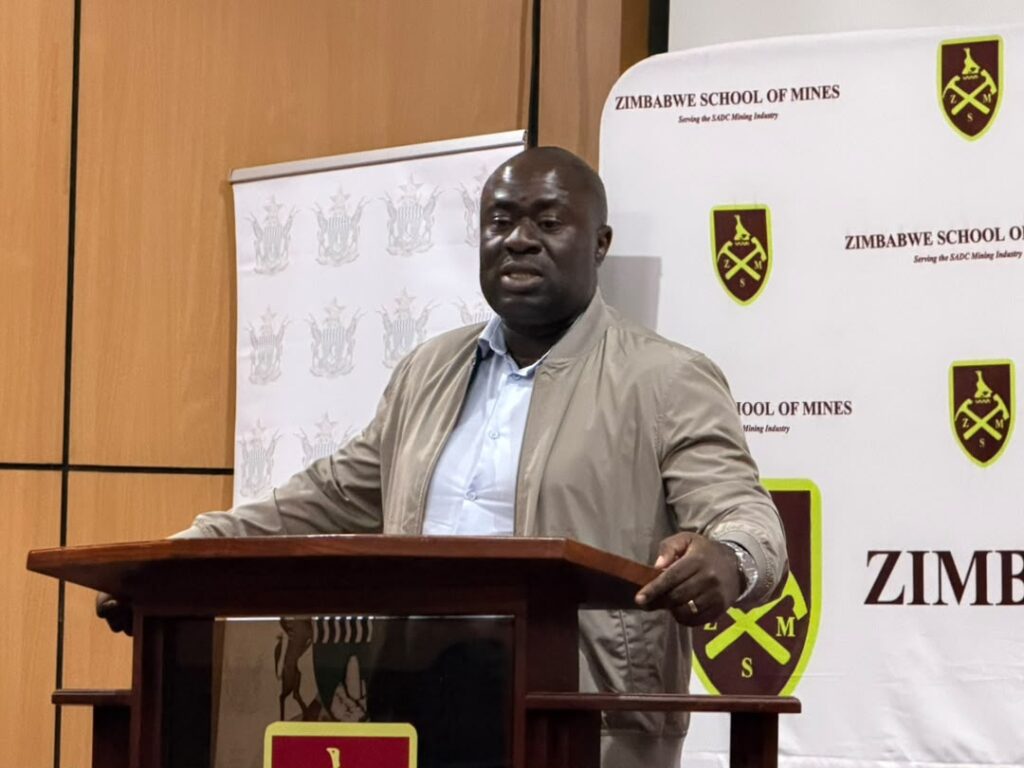
“We successfully concluded the implementation of our five-year strategic plan under the National Development Strategy 1 (NDS1), achieving substantial progress in institutional growth, governance, infrastructure development, academic excellence and stakeholder engagement.
“As we transition into our 2026-2030 Strategic Plan, we remain firmly aligned with National Development Strategy 2 (NDS2), Education 5.0 and Zimbabwe’s vision for a modern, competitive and value-added mining sector,” he said.
Eng Gwaze said their strategic focus was centred on academic innovation, operational excellence, financial sustainability, technological transformation, human capital development, quality management, as well as governance and regulatory compliance.
He said these priorities position the school to continue producing industry-ready graduates and driving innovation within the mining sector.
“Good governance remains fundamental to institutional success. The implementation of the 2026-2030 Strategic Plan is now underway, supported by performance management systems that promote accountability, transparency and results-driven leadership,” he said.
Eng Gwaze said the school has strengthened its integrity systems through training facilitated by the Zimbabwe Anti-Corruption Commission (ZACC).
He said during the year, they also strengthened strategic partnerships with Fidelity Gold Refinery, Gwanda State University, the Institute of Bankers of Zimbabwe and North-West University of South Africa.
“Engagements with other local, regional and international institutions are also progressing and will expand opportunities for research, innovation, staff development and student advancement,” he added.
“We also continued to engage key stakeholders, including traditional leaders, Government agencies, mining companies and development organisations, ensuring that our programmes remain relevant and responsive to national and industry needs.”
Eng Gwaze said ZSM continues to attract growing confidence from students and industry alike, as this year they recorded their highest enrolment in history, reaching 1 223 students.
He said female participation increased from 30 percent in 2021 to 32 percent in 2026, reflecting their commitment to promoting inclusivity and greater participation of women in the mining sector.
“Industrial attachment remains a cornerstone of our training model. Through strong partnerships with mining companies and related industries, the majority of eligible students successfully secured attachment opportunities, enabling them to gain valuable practical experience and workplace exposure,” said Eng Gwaze.
He said innovation continues to drive their institutional transformation as one of the most significant developments during the year has been the advancement of the Experimental Mine Project in Inyathi.
Eng Gwaze said it now serves as a strategic platform for practical training, applied research and mining innovation.
“Significant exploration work has been completed, and plans are underway for the establishment of a Gold Service Centre in partnership with Fidelity Gold Refinery.
“The school also made remarkable progress in the development of its Drone School and MineTech Innovation Hub.
These initiatives are introducing students to cutting-edge technologies including artificial intelligence, robotics, digital mining systems and advanced data analytics,” he said.
“Our metallurgical and analytical laboratories continue to undergo modernisation through the acquisition of world-class equipment, positioning the School as a future regional hub for advanced laboratory services and research.”
In support of Zimbabwe’s mineral value-addition agenda, Eng Gwaze said they have established a Gemstone Cutting and Polishing Training Centre and expanded specialised programmes in Gemology, Foundry Technology and Executive Mine Management.
A total of 369 students graduated comprising 103 female graduates and 266 male graduates. The graduates completed programmes in Mining Engineering, Geology, Metallurgy, Mine Surveying, Mine Environmental Engineering and related disciplines.