Online Reporter
Catherine Murombedzi
Correspondent
Zimbabwe continues to claim its place on the global stage, as evidenced by its recognition by Forbes Magazine as the Best Destination to Visit in 2025.
The prestigious international recognition signifies a powerful resurgence in the nation’s tourism sector and a strong vote of confidence in Brand Zimbabwe.
Under the stewardship of Tourism and Hospitality Industry Minister Barbara Rwodzi, the global endorsement reflects the sector’s commitment to repositioning the country as a premier destination.
“This recognition celebrates our leadership, our people, and our commitment to making Zimbabwe a great destination again,” Minister Rwodzi said on the occasion.
She highlighted tourism’s crucial role in showcasing Zimbabwe’s stability, warmth and cultural diversity, positioning the nation as “war-free, crime-free, and full of hardworking people.”
This success, achieved under the National Development Strategy (NDS), saw the country record more than 1,6 million international arrivals in 2024. To sustain this momentum, the Government launched a 12-cluster diversification strategy, with medical tourism identified as a key growth area.
That foresight is now bearing tangible results, as evidenced by recent developments at The Trauma Centre Borrowdale & Critical Care Hospital, which are strengthening Zimbabwe’s position as a destination for medical tourism.
During the Covid-19 pandemic in 2020 and 2021, people from neighbouring countries travelled to Zimbabwe to access vaccinations.
In 2026, further milestones are being achieved in the medical sector, enhancing the country’s appeal as a medical tourism destination.
Zimbabwe now boasts a Catheterisation Laboratory (Cath-Lab), a specialised hospital facility equipped with advanced medical imaging technology used to perform minimally invasive, life-saving procedures.
Doctors use the facility to diagnose and treat cardiovascular, neurological and vascular diseases by guiding tiny tubes, known as catheters, through blood vessels, eliminating the need for traditional open-heart surgery.
Procedures conducted in the Cath-Lab include coronary angiography, which uses contrast dye and real-time X-ray imaging to identify blockages or narrowing of heart arteries; haemodynamic assessments that measure blood pressure and oxygen levels inside heart chambers and pulmonary arteries; and electrophysiology studies, which map the heart’s electrical pathways to diagnose abnormal rhythms.
Interventional procedures include angioplasty and stenting, pacemaker and defibrillator implantation, catheter ablation, mitral valve replacement or repair, and neurological interventions aimed at preventing strokes and treating aneurysms.
Beyond these achievements, Zimbabwe is also offering regenerative medicine therapies.
The human body has an innate ability to heal itself, and regenerative medicine seeks to harness and enhance that capability. For individuals suffering from chronic pain, damaged cells can be revitalised, enabling the body to heal naturally.
The treatment is also being explored as a complementary approach for people living with autoimmune conditions such as lupus, where the immune system mistakenly attacks healthy tissues including joints, skin and kidneys.
Medical experts say oxidative stress, caused by toxins, chronic inflammation and cellular fatigue, can contribute to immune dysfunction. This may impair oxygen delivery and cellular energy production, leading to symptoms such as fatigue, joint pain and brain fog.
Years of inflammation, environmental toxins and cellular stress can diminish the body’s natural healing capacity, often resulting in long-term dependence on medication for symptom management.
The writer was privileged to undergo regenerative therapy in Zimbabwe after years of debilitating knee and back pain, avoiding the need to travel abroad for treatment.
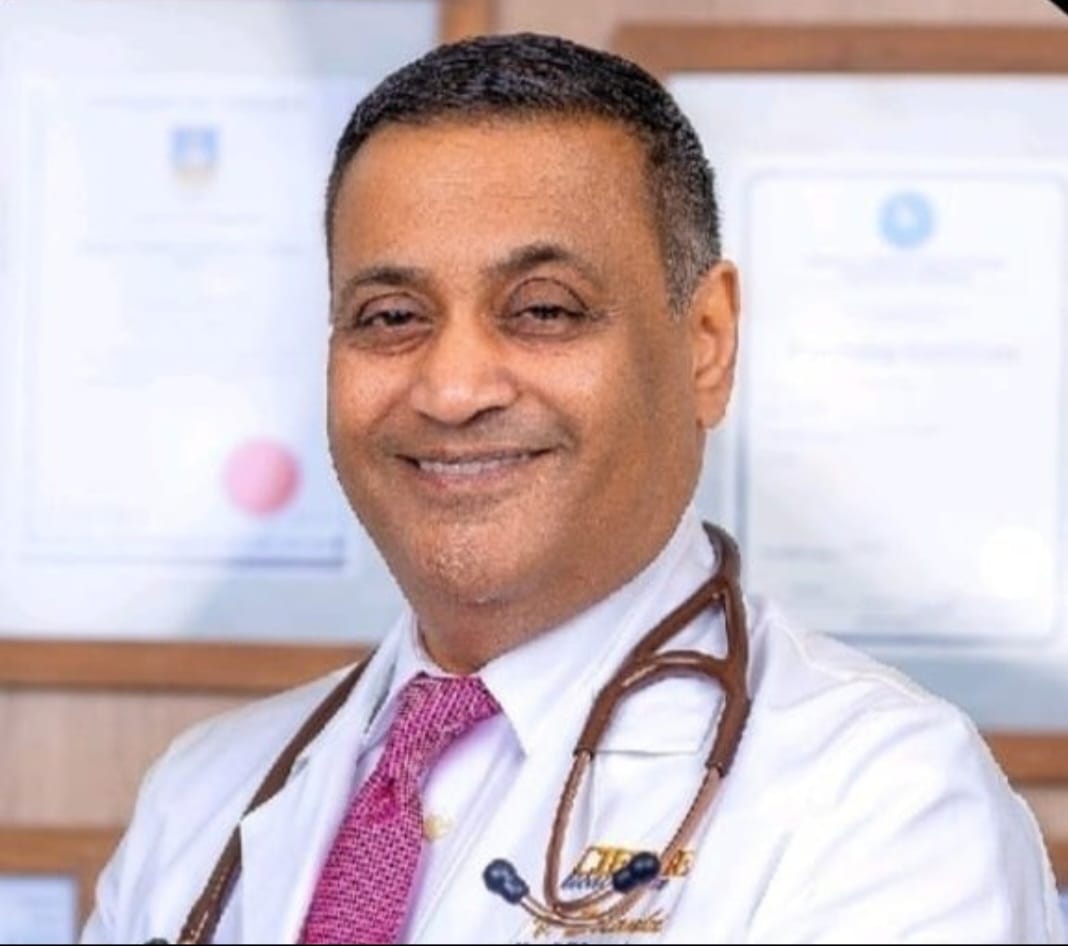
Dr Vivek Solanki of The Trauma Centre Borrowdale (TCB) explained the science behind regenerative medicine following his return from Japan last year.
He described how cells become damaged, exhausted and stressed due to various environmental and lifestyle factors.
“In our modern world, your bloodstream faces constant challenges from environmental toxins and processed foods, leading to a condition known as oxidative stress. Over time, this stress accumulates, overwhelming your cells, which are designed to protect and repair you. This can manifest as fatigue, brain fog and chronic pain. Rather than treating symptoms, regenerative medicine can address the root causes of these issues.
“At TCB, we are proud to offer EBOO-SAFE Therapy, a cutting-edge approach in regenerative medicine that works in harmony with your body’s natural systems.
EBOO stands for Extracorporeal Blood Oxygenation and Ozonation. During a typical 60-minute session, EBOO-SAFE draws and circulates 3 to 4.2 litres of your blood. This is about half to three-quarters of total blood volume as one relaxes comfortably on a reclining chair fully awake. This painless procedure involves a small IV in each arm: one draws blood out and the other returns it revitalised,” said Dr Vivek Solanki.
The procedure is carried out by trained specialists. Dr Solanki said that while some therapies focus primarily on removing waste products from the bloodstream, EBOO-SAFE goes further by reactivating damaged cells, hence the term regenerative medicine.
“What sets EBOO apart from other blood therapies is its focus on activation rather than just cleansing. We remove impurities, toxins and inflammatory debris, clearing the congestion in the bloodstream. This allows tired cells to function optimally again. When blood is free from these stressors, oxygen and ozone work together to wake up the damaged cells, enabling them to receive and utilise oxygen effectively again,” said Dr Solanki.
In simple terms, messenger molecules are revitalised.
“When ozone interacts with your blood plasma, it creates messenger molecules that significantly enhance your body’s repair mechanisms. This process is akin to lifting weights, where controlled stress leads to stronger muscle fibres. The ozone creates a “wake-up call” for your cells, triggering them to rebuild and repair where damaged.
“Among the key benefits, reactive oxygen species (including hydrogen peroxide) improve oxygen delivery, activate the immune system and signal platelets to release growth factors for cellular repair. Additionally, lipid ozonation products (LOPs) are released, which enhance circulation and activate the body’s master switch for protection, known as the NRF2 pathway. This pathway signals your DNA to produce powerful antioxidant enzymes, far more effective than any supplements you may know. Your body essentially upgrades its own defense system once again. It reawakens your damaged system to fight on its own again,” he said.
“Unlike other treatments that focus solely on cleaning the blood, EBOO-SAFE goes deeper. The signals we trigger penetrate into your cells, addressing oxidative stress at its source. Your mitochondria, which in simple terms are the energy powerhouses of your cells, reactivate and your cells begin to produce their own protective enzymes once again. This means the benefits continue to build for days and even weeks after treatment,” said Dr Solanki.
“EBOO-SAFE Therapy addresses autoimmune conditions at the root, not just the symptoms, cleans first, the advanced filtration removes inflammatory debris, toxins and microclots from the patient’s blood. That takes immediate pressure off the confused immune system. It then resets next. A precise, controlled dose of oxygen + ozone gives the cells a gentle “wake-up call.” This flips on the NRF2 pathway, which is the DNA’s master switch for making its own antioxidants like glutathione. When NRF2 activates, cells calm down, mitochondria restart and immune cells relearn how to tell “friend” from “foe.” The LOPs created during treatment keep sending anti-inflammatory signals through your body for days after,” he explained.
“The goal isn’t to suppress your immune system like drugs do. It’s to help your body regulate itself again so flares are less intense and you get your energy back.
“At TCB, we use the Trigyn-Kaizen system, which emphasizes continuous improvement. Our therapy includes advanced ultra filtration to remove harmful substances, optimised ozone and oxygen dosages tailored for each patient’s needs, fluid extraction for patients with imbalances and close monitoring of vital signs throughout the session,” said Dr Solanki.
Typically, patients undergo three sessions over a two-week period, followed by maintenance treatments every three to six months, depending on the severity of their condition and overall wellness goals.
The writer found the regenerative therapy transformative, experiencing relief from chronic knee pain and fatigue. Within two days of treatment, energy levels had improved significantly and the persistent knee pain had subsided.