Bongani Ndlovu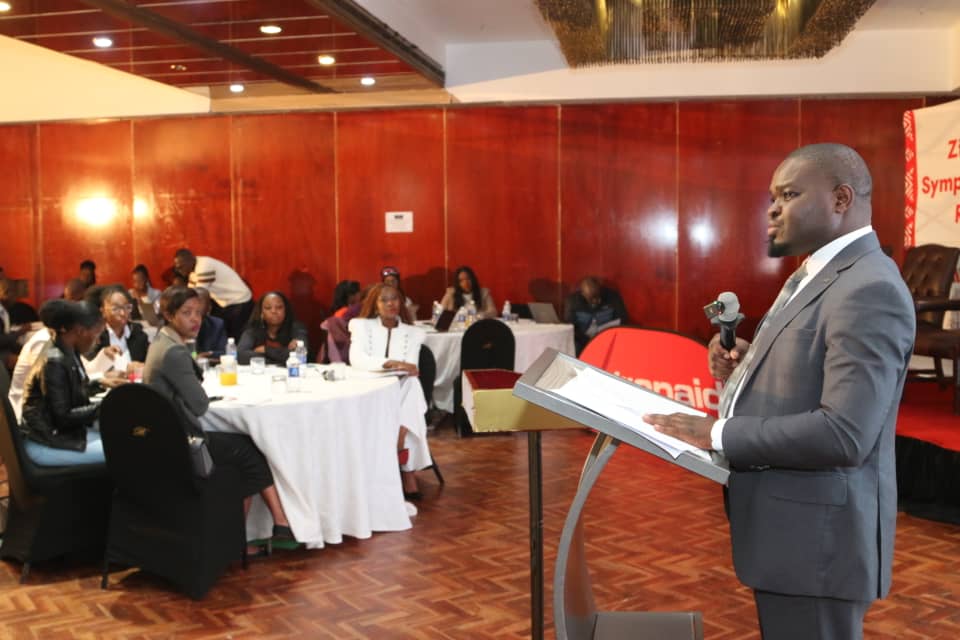
Theseus Mauruki Shambare
ZIMBABWE is moving to transform its disaster management system, with Government advancing a new Disaster Risk Management (DRM) Bill that will replace the current Civil Protection Act and place greater emphasis on preventing disasters before they occur.
The proposed legislation marks a significant policy shift from a largely response-based approach to one that prioritises prevention, preparedness, mitigation, resilience building and sustainable recovery.

Speaking at the Third Zimbabwe Youth Symposium on Disaster Risk Reduction in Harare yesterday, Deputy Minister of Local Government and Public Works, Eng Benjamin Kabikira, said Government had made substantial progress in crafting the new law, which is expected to modernise the country’s disaster management framework.
“Government is currently undertaking a comprehensive review of the Civil Protection Act with a view to replacing it with a modern and progressive Disaster Risk Management Bill,” said Eng Kabikira.
“The proposed DRM Bill represents a major shift from a disaster response-oriented approach towards a comprehensive disaster risk management system that prioritises prevention, preparedness, mitigation, resilience building, recovery and sustainable development.”
Zimbabwe has in recent years experienced a growing number of climate-related and other emergencies, including droughts, floods, storms, disease outbreaks and environmental degradation, which have negatively affected communities, infrastructure and economic development.
Authorities say these challenges have highlighted the need for a proactive disaster management system that identifies and reduces risks before disasters occur.
The proposed law is expected to strengthen institutional coordination, improve early warning systems, promote risk-informed development planning and encourage greater community participation in disaster preparedness and response.
For decades, disaster management efforts have largely centred on relief and recovery after emergencies. However, experts say increasing climate variability and extreme weather events require a more preventative and resilience-focused approach.
ActionAid Zimbabwe Country Director Dr Selina Pasirayi said disaster risk management must address the root causes of vulnerability.
“Disaster risk is not only about hazard exposure; it is about inequality, access and preparedness,” she said.
Dr Pasirayi noted that experiences from disasters such as the 2019 Cyclone Idai tragedy demonstrated the need to strengthen preparedness and recovery systems rather than relying solely on emergency responses.
The new legislation is also expected to align Zimbabwe’s disaster management framework with international commitments, including the Sendai Framework for Disaster Risk Reduction and the Sustainable Development Goals.
The Sendai Framework promotes an all-of-society approach in which governments, communities, civil society organisations, the private sector and development partners work together to reduce disaster risks and build resilience.
Eng Kabikira said Government is committed to ensuring the legislative reform process is inclusive and participatory.
“We want young people, women, persons with disabilities, local authorities, civil society, academia and the private sector to contribute to the development of this important legislation,” he said.
As climate change continues to increase the frequency and severity of droughts, floods and other disasters, stakeholders believe the proposed law will help strengthen national resilience and safeguard development gains.
“A robust legal framework is not an administrative milestone; it is a foundation for accountability, coordination and equitable protection,” said Dr Pasirayi.
The symposium also highlighted the growing role of young people in disaster risk governance. Government has endorsed the Zimbabwe National Youth Desk on Disaster Risk Reduction, which was established following the inaugural youth symposium in 2024.
The platform provides young people with opportunities to participate in policy discussions, research initiatives and community resilience programmes.
Secretary for the Africa Youth Advisory Board on Disaster Risk Reduction, Ms Ruth Chomola, said Zimbabwe’s youth engagement model could serve as an example for other African countries.
She stressed the importance of ensuring that policy reforms are backed by adequate resources.
“Policies must be followed up with adequate financing to enable implementation,” she said.
As Government works towards finalising the Disaster Risk Management Bill, stakeholders say the ultimate measure of success will be its ability to translate policy reforms into stronger preparedness systems that protect lives, livelihoods and infrastructure before disasters strike.



 Online Reporter