Chronicle Editor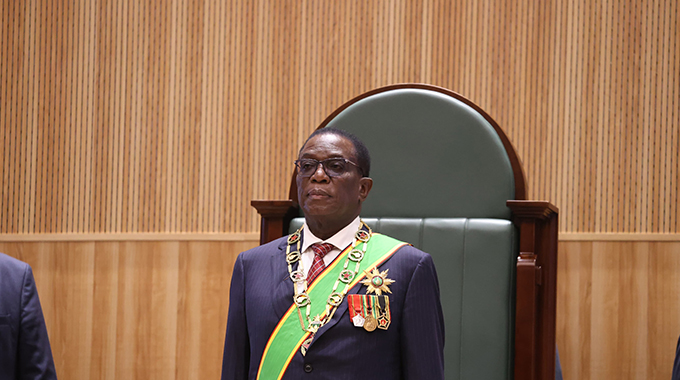
President Mnangagwa’s State of the Nation Address on Wednesday painted a promising picture of Zimbabwe’s progress, defying the odds despite crippling Western sanctions.
The country’s steadfast commitment to economic growth, unity, and development is a testament to its resilience.
On the agricultural front, President Mnangagwa said Zimbabwe was on the cusp of yet another winter wheat harvest.

The continued growth of the country’s agriculture sector, he said, was a result of unity of purpose and effective policies instituted by the Second Republic.
This success story serves as a model for regional co-operation, demonstrating that African solutions can address African challenges.
Beyond agriculture, Zimbabwe’s mining sector is attracting significant investments, tapping into the global demand for new energy minerals like lithium.
Tourism is also booming, with arrivals on the rise and a $5 billion industry within reach. Infrastructure development, a critical pillar of economic growth, continues unabated, with widespread projects transforming the country’s landscape.
In healthcare, Zimbabwe is making strides towards universal coverage, embracing cutting-edge technologies like telemedicine. Education reforms are equipping students with globally competitive skills, while women’s empowerment initiatives are bridging the economic divide.
These achievements are all the more remarkable considering the external pressures Zimbabwe faces. Western sanctions, imposed without justification, have long stifled the country’s potential.
Yet, President Mnangagwa’s administration remains undeterred, forging strategic partnerships with neighbouring countries to drive regional economic integration.
Zimbabwe’s re-engagement with the international community, particularly through the Southern African Development Community (SADC), underscores its commitment to co-operation and growth.

Bilateral agreements with Botswana and Mozambique on railway development and natural resource management demonstrate the country’s proactive approach to regional collaboration.
As Zimbabwe celebrates these milestones, it’s essential to acknowledge the nation’s agency in shaping its destiny. Western powers would do well to recognise and respect this sovereignty, rather than imposing punitive measures that harm ordinary Zimbabweans.
President Mnangagwa’s philosophy of “leaving no one and no place behind” resonates deeply with Zimbabweans and his administration’s dedication to inclusive transformation and shared prosperity has inspired a renewed sense of national purpose.
Zimbabwe’s story serves as a powerful reminder that African nations can drive their own progress, despite external obstacles.
As the country continues on its upward trajectory, it’s time for the international community to re-evaluate its relationship with Zimbabwe and acknowledge its remarkable resilience.


 Online Reporter