Online Reporter
Nqobile Bhebhe, Zimpapers Writer
ZIMBABWE has now fulfilled all the requisite conditions for re-joining the Commonwealth and is presently awaiting direction from the Commonwealth Secretariat regarding the subsequent stages of the formal re-admission procedure, a Cabinet Minister has announced.
This significant development comes after the country formally expressed its keen interest in rejoining the voluntary association of independent and equally sovereign states, from which it had voluntarily withdrawn in 2003.
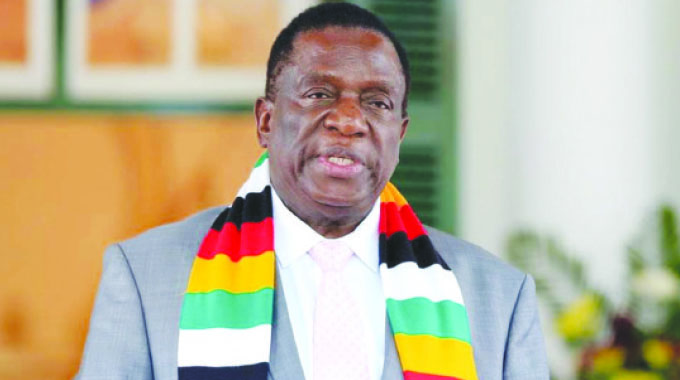
Under the astute leadership of President Mnangagwa, Zimbabwe has noticeably intensified its engagement and re-engagement endeavours with all nations and international organisations. Substantial headway has been made in this regard, aligning perfectly with the Second Republic’s foreign policy objective of being “a friend to all and an enemy to none.”
Responding to Members of Parliament on Wednesday, Professor Amon Murwira, the Minister of Foreign Affairs and International Trade, unequivocally reaffirmed the Government’s steadfast commitment to multilateral co-operation.
He further underscored Zimbabwe’s constitutional duties and the commendable progress already achieved under the national reform agenda.
“Section 12 (2) of Zimbabwe’s Constitution emphasises the country’s obligation to work with regional and international organisations that promote peaceful economic, social, and cultural co-operation with Zimbabwe.
“This informed Zimbabwe’s decision to apply for readmission into the Commonwealth after voluntarily opting out. It will be recalled that eligible countries seeking to join the Commonwealth must undertake a four-step membership process once a formal expression of interest is made,” said Minister Murwira.
He explained that the re-admission process comprises four key steps: an informal assessment by the Secretary-General following the expression of interest; consultations with existing Commonwealth member states; an invitation extended to the interested country to submit a formal application; and finally, the submission of that application along with evidence of democratic processes and broad public support for rejoining.
“Zimbabwe undertook all four steps following our expression of interest to re-join the Commonwealth,” he said.
The minister said that Zimbabwe has submitted detailed reports outlining progress made under its reform agenda, which aligns with Vision 2030 — an initiative led by President Mnangagwa to transform the country into an upper-middle-income economy.
“These efforts culminated in the production of the Commonwealth Secretariat’s assessment report, which highlighted the achievements made by the country since 2017 in support of our readmission into the organisation,” said the minister.
Professor Murwira stated that Zimbabwe facilitated all necessary study visits and consultations with the Commonwealth Secretariat, demonstrating transparency and co-operation throughout the process.
“The Secretariat undertook all the study visits it required with the concurrence of the Government of the Republic of Zimbabwe and produced recommendations that were presented to member states. The current position of the Government, therefore, is that we await further communication from the Commonwealth Secretariat on the next steps.
“I wish to reaffirm that Zimbabwe remains open to mutually respectful and constructive engagement on this important matter, guided by the doctrinal reference point: a friend to all and an enemy to none. Zimbabwe is open for business and shall forever remain a sovereign and independent State.”
The Commonwealth comprises 2,5 billion people and includes a diverse mix of advanced economies and developing countries.
Zimbabwe’s bid to re-join the Commonwealth has attracted widespread interest and forms a key part of the country’s broader diplomatic re-engagement and its resolve to reposition itself on the global stage.
Under President Mnangagwa’s leadership, proactive engagement and re-engagement efforts have been opening new frontiers for Zimbabwe internationally.
This re-engagement drive forms part of a comprehensive suite of policies the Second Republic is implementing to steer Zimbabwe towards its Vision 2030 goal of becoming an upper-middle-income economy, primarily through attracting increased foreign direct investment. Immediately following his inauguration, marking his first five years in office, President Mnangagwa launched the “Zimbabwe is Open for Business” mantra, signalling the country’s renewed commitment to economic growth and international partnership.