Online Reporter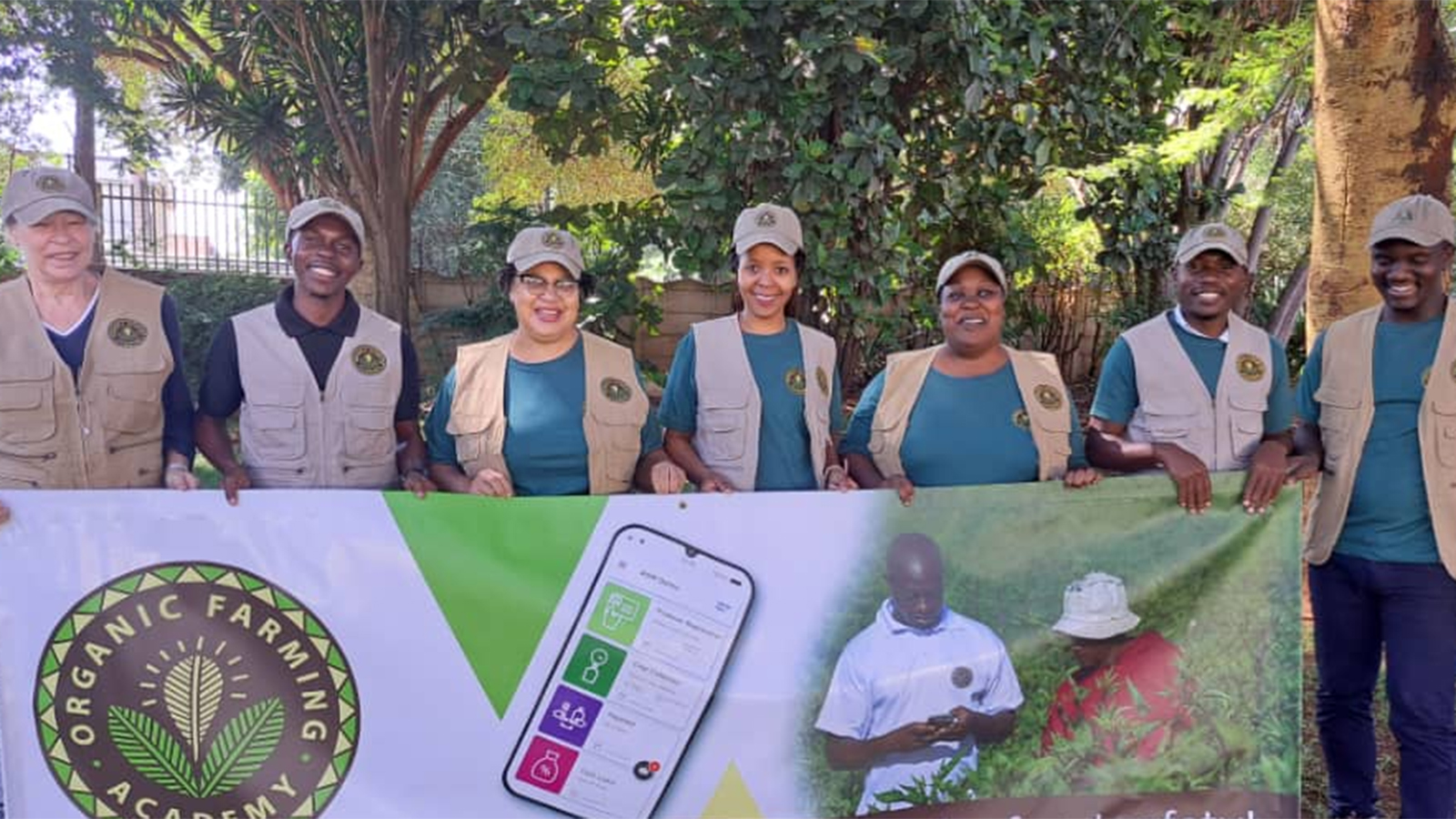
Ivan Zhakata-Herald Correspondent
Zimbabwe will join the world in commemorating the 2025 EU Organic Day on Friday with the Organic Farming Academy (OFA) leading an event to promote sustainable farming and market opportunities for smallholder farmers.
The celebrations, set for September 12, 2025, will bring together farmers, policymakers, youth, private sector leaders and development partners in a gathering that OFA said will mark a turning point for the country’s organic sector.
“Organic Day Zimbabwe is more than a celebration, it is a rallying point for building an agricultural future that is healthier, fairer and more resilient,” the academy said in a statement.
Globally, organic farming is expanding at a rapid pace, with 98,9 million hectares of farmland under organic cultivation in 2023, a 2,6 percent increase from the previous year.
Europe accounts for 19,5 million hectares, while Africa, despite its vast agricultural potential, lags with 3,4 million hectares.
The global organic market reached €136,4 billion in 2023. Zimbabwe has begun to carve out its share in this market.
The number of organically certified producers has surged from 7 883 in 2021 to 25 339 in 2025.
OFA attributes the rise to the determination of rural smallholder farmers to meet international demand while safeguarding soil health and biodiversity.
“This momentum offers a unique opportunity for Zimbabwe to expand organic production, create sustainable jobs, and access premium global markets, but it requires stronger policy support, investment, and collaboration across the agricultural sector,” read the statement.
The Organic Day Zimbabwe 2025 event, being held in partnership with Organic Africa and SNV, will spotlight innovative farming practices, strengthen market linkages for producers and push for reforms to accelerate the adoption of sustainable agriculture.
OFA has called on the public to support local organic farmers by choosing healthy, sustainably grown food.
It also urged investors to strengthen fair market access for smallholders and encouraged policymakers to provide incentives that protect biodiversity and empower rural communities.
“With organic farming, Zimbabwe has the chance to position itself as a driver of resilience, prosperity, and environmental stewardship in Africa and beyond.”