Online Reporter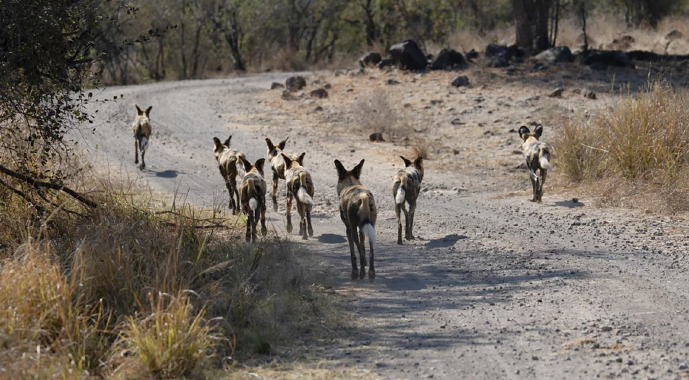
Fairness Moyana in Hwange
ZIMBABWE has been called upon to intensify efforts to protect painted dogs, one of Africa’s most endangered carnivores, as conservationists warn that growing pressure from human activity continues to threaten the species’ survival.
The call was made by Painted Dog Conservation (PDC) as Zimbabwe joined the rest of the world in marking Painted Dog Day on August 26, a day dedicated to raising awareness about the plight of the species, also known as the African wild dog.
With fewer than 7 000 painted dogs believed to remain in the wild across Africa, Zimbabwe plays a crucial role in their conservation. The country is home to an estimated 700 animals, with around 200 living in and around Hwange National Park, one of the species’ most important strongholds.
Once found across vast areas of the continent, painted dogs have disappeared from much of their historical range as a result of habitat loss, increasing human encroachment and other threats.
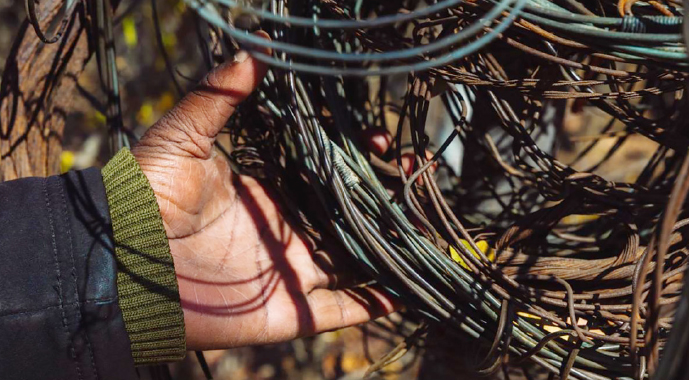
According to PDC, habitat destruction and fragmentation, wire snares, poaching, road traffic collisions, disease outbreaks and human-wildlife conflict continue to place immense pressure on the species.
For more than two decades, the organisation has been working to protect painted dogs in Zimbabwe through anti-poaching operations, monitoring wild packs, veterinary interventions, conservation education and community outreach programmes aimed at promoting coexistence between people and wildlife.
The scale of the threat is reflected in the organisation’s anti-poaching efforts. Since 2001, PDC teams have removed more than 30 000 wire snares from areas surrounding Hwange
National Park, underscoring the extent of illegal hunting activities within wildlife habitats.
Working closely with the Zimbabwe Parks and Wildlife Management Authority and other conservation partners, PDC conducts regular patrols, removes snares and helps protect vulnerable painted dog packs, particularly during the denning season when young pups face the greatest risks.
The organisation said the species’ highly social nature means the loss of even a single animal can have devastating consequences for an entire pack. “Protecting painted dogs therefore means protecting the landscapes, communities and wildlife corridors on which they depend,” the organisation said in a statement.
Painted dogs live in tightly bonded family groups and depend on vast, interconnected landscapes to hunt, breed and disperse. Their survival is closely linked to the health of entire ecosystems.
However, as human settlements and infrastructure continue to expand, the animals are increasingly being forced into contact with roads and communities, exposing them to road accidents and other human-related threats.
PDC has urged motorists travelling through wildlife areas to reduce speed and remain vigilant, particularly in regions where painted dogs are known to cross roads. The organisation also encouraged communities to report suspected poaching activities, wire snares and other wildlife crimes to the relevant authorities.
In addition, members of the public were urged to support conservation organisations and community-led wildlife initiatives that help safeguard threatened species and their habitats.
“Every snare removed, every wildlife crime reported, every driver who slows down, every child inspired to value wildlife, and every supporter who stands with local communities helps give painted dogs a better chance of survival.”
PDC said conservation efforts must also take into account the needs of communities living alongside wildlife, stressing that the long-term protection of endangered species can only be achieved when local people benefit from conservation.
Zimbabwe’s painted dog population remains an important asset to both the country’s conservation and tourism sectors, with Hwange National Park providing critical habitat for the species and attracting wildlife enthusiasts from around the world.
The organisation said Painted Dog Day offered an opportunity to honour the efforts of rangers, researchers, schools, communities, conservation partners and supporters who continue to play a vital role in protecting the species. At the same time, it served as a reminder that much more work remains to be done to secure the future of one of Africa’s most iconic predators.
“Together, we can protect painted dogs, preserve the ecosystems they need, and ensure that future generations inherit a Zimbabwe where these extraordinary animals still run free,” read the statement in part.