Online Reporter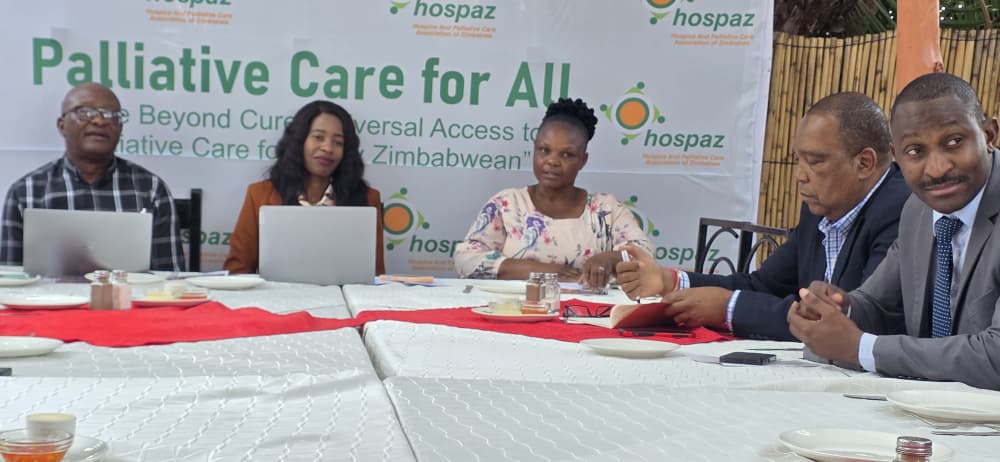
Rumbidzayi Zinyuke-Senior Health Reporter
Health experts have called for urgent action to improve access to pain relief medicines in Zimbabwe, warning that thousands of patients with cancer and other life-threatening illnesses continue to endure unnecessary suffering due to medicine shortages, inadequate training of health workers and persistent fears surrounding the use of opioids.
The concerns were raised during a strategic engagement on access and availability of pain medicines organised by the Hospice and Palliative Care Association of Zimbabwe (HOSPAZ) in Harare on Wednesday.
Palliative care specialist, Dr Dickson Chifamba, said pain remained one of the leading reasons patients sought medical attention, yet it was often poorly managed.
He said research conducted in Zimbabwe showed that 80 percent of women with cervical cancer present to health facilities at advanced stages of the disease, with pain being the main reason they seek treatment.
“In one study involving 410 cervical cancer patients, 68 percent reported pain as the reason they came to hospital,” he said.
“However, only 42 percent had any documented prescription for pain medication, while 22 percent of the facilities surveyed had no pain medicines available.”
Dr Chifamba said the problem extended beyond cancer, noting that patients with cardiovascular and respiratory diseases also frequently experienced pain that often went untreated because healthcare workers focus primarily on diagnosing the underlying disease rather than relieving suffering.
“There is a tendency to focus on investigations and disease management while neglecting pain control. Pain should be managed alongside treatment of the disease,” he said.
Dr Chifamba said inadequate training remained another major obstacle, with only 28 percent of healthcare workers having received on-the-job training in pain management.
He said many health professionals lacked confidence in prescribing opioids such as morphine because of “opiophobia” (fear of addiction and misuse).
Although Zimbabwe has statutory provisions allowing specially trained nurses to prescribe morphine, he said the measure had never been fully implemented.
Dr Chifamba also called for improvements in medicine supply chains, saying hospitals should never run out of morphine.
“When hospitals repeatedly report that they have no morphine, it points to weaknesses in the supply chain that must be addressed,” he said.
Mashambanzou Care Trust sister-in-charge, Rebecca Dota, said pain affected not only patients but also their families and caregivers.
She said poorly managed pain caused physical suffering, emotional distress and loss of dignity, while families often experienced anxiety, helplessness and financial strain.
“Some patients may not openly express the pain they are experiencing. Healthcare workers must listen carefully, assess pain properly and provide both pharmacological and non-pharmacological interventions,” she said.
She said inconsistent availability of pain medicines forced some families to seek expensive alternative care while caregivers often experienced burnout because of prolonged suffering.
Medicines Control Authority of Zimbabwe (MCAZ) chief regulatory officer responsible for licensing and enforcement and narcotics focal person, Ms Shamiso Caroline Shambira, said the authority was working to balance access to controlled medicines with preventing abuse.
She said morphine remained the most affordable option for severe pain management globally, although its use had been declining.
“We want these medicines to be readily available, but they are controlled internationally because they are prone to abuse. Our responsibility is to ensure they remain accessible while preventing diversion into illegal markets,” she said.
Ms Shambira said Zimbabwe had increased its national quota for morphine following the registration of another local manufacturer and was encouraging local production to minimise shortages.
She said MCAZ also allowed special import permits under Section 75 where registered medicines are unavailable.
“When there are shortages, we encourage wholesalers and pharmacies to import through the special permit system so patients continue accessing treatment,” she said.
However, Ms Shambira said pricing of medicines fell outside MCAZ’s mandate, adding that the authority focused on ensuring medicines were safe, effective and available.
HOSPAZ executive director Mr Shupikai Chisero said Zimbabwe had made significant progress in integrating palliative care into the health system but needed renewed efforts to improve implementation.
He said data from the African Palliative Care Association showed Africa’s average opioid consumption stood at 77 standard daily doses per million people compared to the global average of 238, while Zimbabwe recorded only 18 standard daily doses per million inhabitants.
“Zimbabwe has laid a strong policy foundation for palliative care, but there is still a lot of work to do in ensuring patients can access essential pain medicines. This is an issue that concerns all of us because anyone can become a patient at any time,” he said.