

 Online Reporter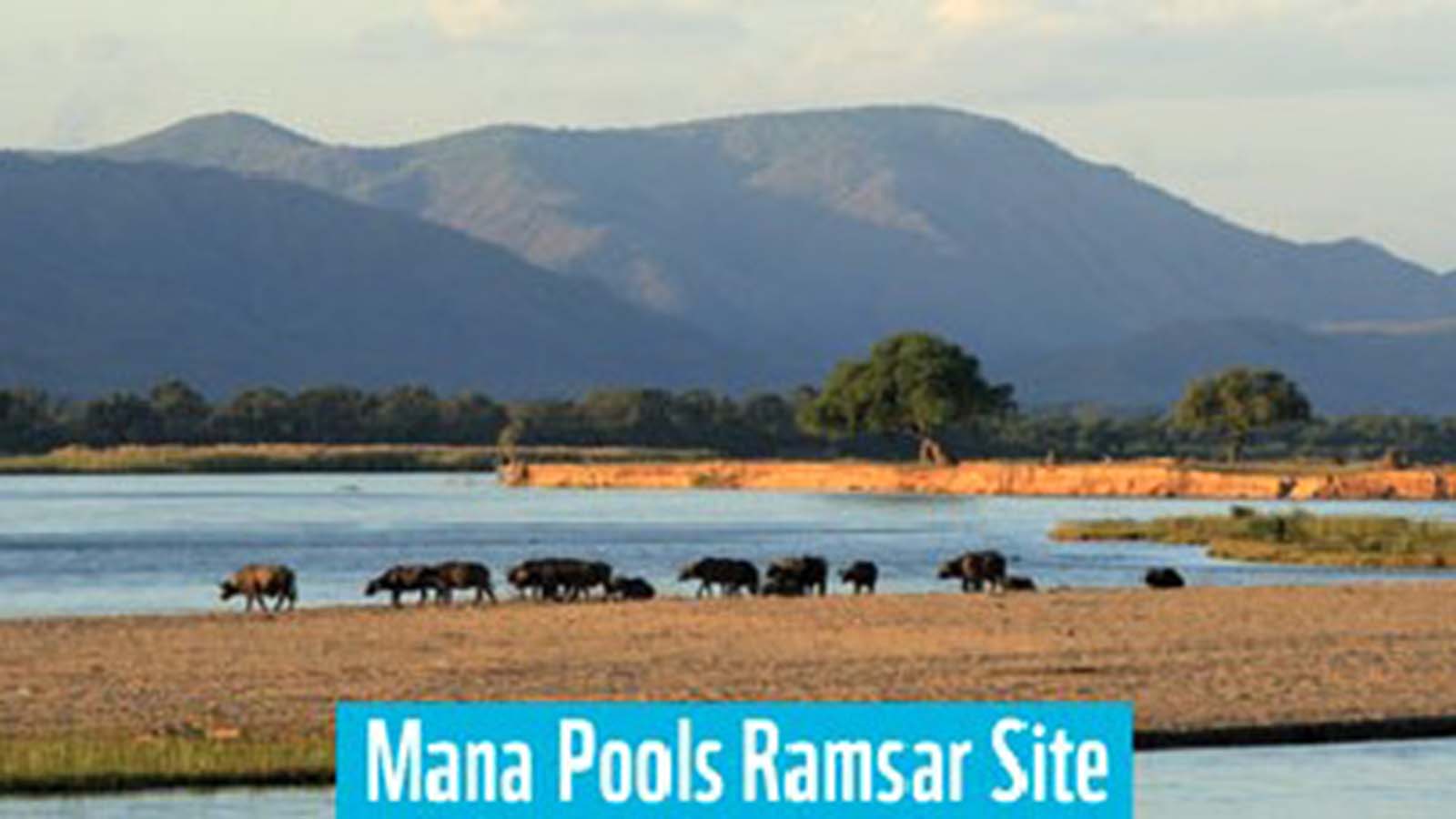
Ivan Zhakata
Herald Correspondent
Zimbabwe is this week hosting high-level meetings aimed at strengthening cross-border conservation and sustainable development under the Lower Zambezi–Mana Pools Transfrontier Conservation Area (LOZAMAP TFCA), as Harare and Lusaka deepen cooperation in the management of shared natural resources.
In a statement, the Ministry of Environment, Climate and Wildlife said, “The Ministry of Environment, Climate and Wildlife, through the Zimbabwe Parks and Wildlife Management Authority, will host the Joint Management Committee (JMC), the Committee of Senior Officials (COSO), and the Ministerial Committee meetings for the Lower Zambezi–Mana Pools (LOZAMAP) TFCA in Harare from April 8 to 10, 2026.”
The meetings, which began today, are being held at Rainbow Towers in Harare and are expected to run until Thursday.
The ministry said the bilateral conservation initiative, established between Zimbabwe and Zambia in May 2023, remains a key platform for promoting environmental stewardship and sustainable development across the shared landscape.
“LOZAMAP, a bilateral initiative that was established between Zimbabwe and Zambia in May 2023 promotes conservation and sustainable development across shared landscapes,” reads the statement.
Senior Government officials, technical experts and conservation stakeholders from the two countries are expected to review progress made since the establishment of the framework.
The meetings are also set to assess programme implementation and chart the way forward on joint conservation efforts, biodiversity protection, and community livelihoods.
The ministry added: “The meetings will review programme implementation and provide a platform for stakeholders to strengthen regional cooperation, enhance biodiversity protection, and advance sustainable livelihoods.”
The LOZAMAP TFCA links Zimbabwe’s Mana Pools area with Zambia’s Lower Zambezi ecosystem, one of Southern Africa’s most significant wildlife corridors.
The initiative is expected to further strengthen cooperation in anti-poaching strategies, ecosystem management and tourism development, while improving the livelihoods of communities living within the conservation zone.
The ministerial segment is expected to come up with resolutions aimed at accelerating the implementation of agreed programmes and consolidating bilateral cooperation between the two neighbouring countries.



