Online Reporter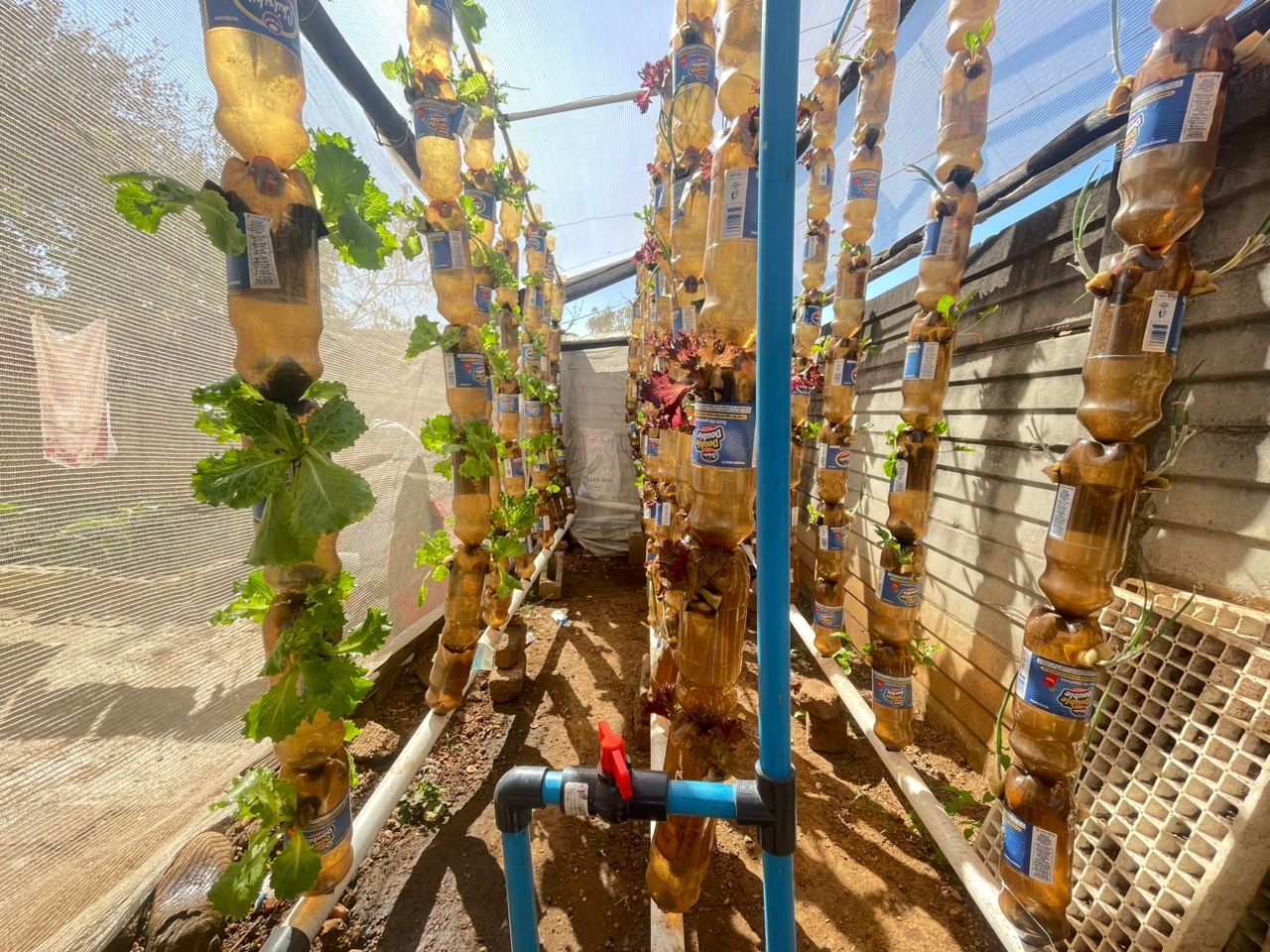
Sikhulekelani Moyo Zimpapers Business Hub
DETERMINED to find a solution that is both eco-friendly and economically viable, a 34-year-old Bulawayo man is utilising empty plastic bottles to create a hydroponic system, an innovative way to reduce the cost of production and provide an eco-friendly solution.
Hydroponics is a method that allows plants to grow without soil, utilising water-based mineral nutrient solutions instead. This technique enables the cultivation of a diverse range of crops, including vegetables and medicinal plants, in controlled environments.
The advantages of hydroponics are significant, offering higher yields, reduced water consumption, and the flexibility to grow plants indoors or in confined spaces. As the world grapples with challenges such as rising fuel prices and global warming, hydroponics is gaining popularity as a viable solution to these pressing issues.
Mr Phathisani Mvundla, the founder of Zambezi Eco Sprouts, started his project in 2022 after being capacitated by the World Food Programme, DanChurchAid, and the Swiss Agency for Development on setting up his first hydroponics systems and the knowledge of how to make his business thrive.
Mr Mvundla took advantage of his unemployment and fully embraced innovation, which created a sustainable project for himself and is currently working with one permanent assistant and part-time workers.
“I was determined to find a solution that was both eco-friendly and economically viable. Through trial-and-error using recycled materials, Zambezi Eco Sprouts was born.
“We are still in the early stages, but rapidly growing. We’ve repurposed over 600 plastic bottles and aim to reach 100 000 by 2026,” said Mr Mvundla.
“We currently grow over 1 200 crops per cycle using solar-powered, off-grid systems. Our model is designed to scale across Zimbabwe and beyond with the right partners.”
Being passionate about sustainability, food security, and giving waste a second life through creative farming systems, Mr Mvundla is focusing on tackling two of Zimbabwe’s biggest challenges, that is, plastic pollution and access to nutritious food.
Using Chibuku Super empty bottles, Mr Mvundla said this has become a symbol of transformation in their project.
“We clean and repurpose them as part of our vertical aeroponic systems,” he said.
“They serve as growing chambers for crops, in tower arrangements, making use of limited space and giving a new purpose to what would otherwise be discarded.
“Plastic bottles are the foundation of our model, from waste to wealth, one bottle at a time. By using discarded bottles, we drastically reduce startup and operational costs while addressing the plastic waste crisis.”
He said it allows them to create low-cost, scalable farming systems, especially suited for urban and peri-urban areas.
Focusing mainly on high-demand, fast-growing leafy greens like lettuce, spinach, spring onion, and herbs, Mr Mvundla’s target market is households, restaurants, hotels, and eco-conscious individuals in and around Bulawayo who are looking for fresh, organic, and sustainably grown produce.
With the growing concern over climate change, consumers are now more interested in eco-friendly production, with the export market increasingly growing appetite for organic foods.
Mr Mvundla is also developing partnerships with schools and community centers for educational and nutritional programs.