Sifelani Tsiko
Two Zimbabwean students have won awards at this year’s Regeneron International Science and Engineering Fair (ISEF), which was held in Ohio, United States, from May 10 to 16.
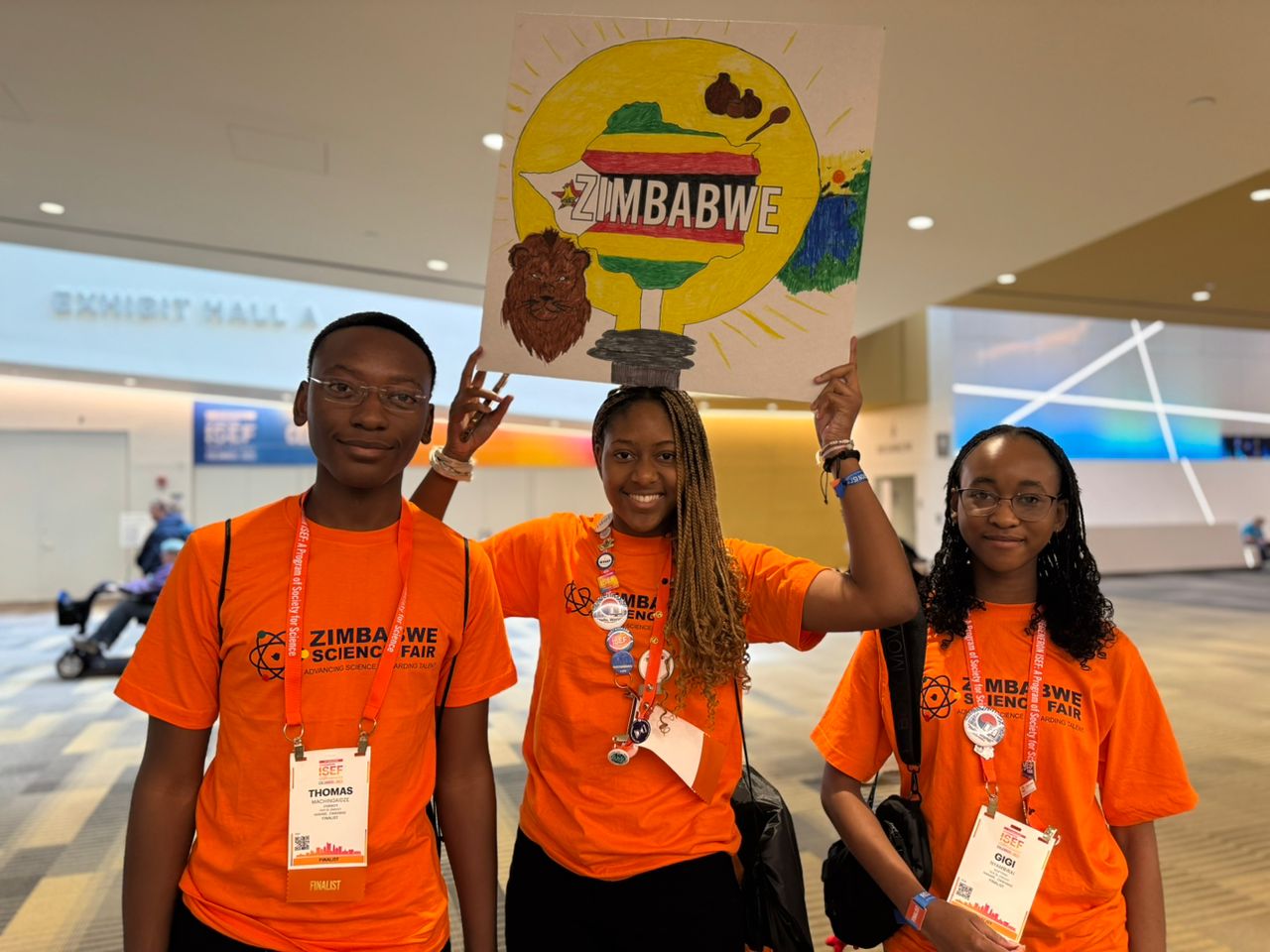
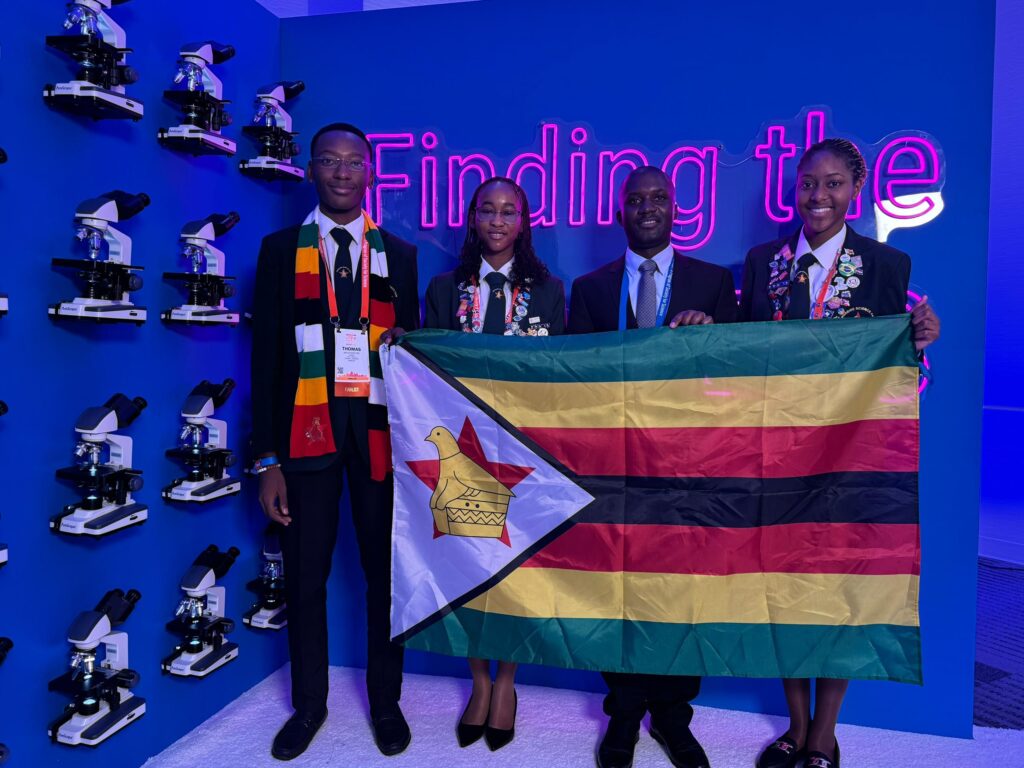
It was a proud and historic moment for Zimbabwe after Thomas Machingaidze (17) of St George’s College and Gigi Dara Nyambirai (18) of Peterhouse Girls School won US$400 each and full scholarships from King Fahd University in Saudi Arabia for their project entries.
Three Zimbabwean students were named among the top 40 finalists in the 2025 ISEF.
More than 1 700 students representing 70 countries participated in this year’s ISEF, widely seen as the largest global platform for research and innovation projects by students.
Entries are evaluated by more than 1 000 international science experts.
The Zimbabwe finalists included Thomas (AI-powered portable eye screening device for early detection of pediatric eye diseases in low-resource settings), Gigi (Reboot and recover: The bacteriophage initiative – Harnessing the power of biomimicry to replicate nature’s defenders and revolutionize cybersecurity against digital threats) and Adriana Tadiswa Musonda Chulu, (18), of Arundel School (Using nano technology to purify polluted water in a local lake).
The three Zimbabwean finalists had also won awards at the Zimbabwe National Science Fair.
Regeneron ISEF is one of the most prestigious global science competitions for high school students.
It is one of the most prestigious science, technology, engineering, and math (STEM) competitions for high school seniors from across the world.
The competition’s outreach and equity programming seeks to ensure that all students have an opportunity to pursue a career in STEM.
The 2025 ISEF edition, run by Regeneron Pharmaceuticals, Inc. and the Society for Science, recognises the finest young minds who demonstrate exceptional scientific talent and leadership.
The finalists were chosen from a pool of nearly 2 500 entrants and 300 top scholars, reflecting the competition’s rigorous standards.
Every year, organisations representing a wide variety of scientific disciplines provide awards, scholarships, internships and other prizes to hundreds of student finalists.
“We celebrate this exceptional group of Regeneron Science Talent Search finalists for their outstanding achievements. These young people represent the future of innovation,” said Maya Ajmera, president and CEO of Society for Science in a statement.
By nurturing the next generation of scientific and engineering leaders, we are investing in a stronger economy and a better tomorrow, fueled by scientific and technological breakthroughs.”
“This year’s finalists conducted research in a wide range of fields, tackling critical global challenges such as species migration, early detection, crop protection, low-cost pest management, disease diagnosis using AI, and cancer therapies.”
Each finalist’s school will receive US$2 000 to support STEM education, highlighting the competition’s emphasis on fostering future scientific talent.