Online Reporter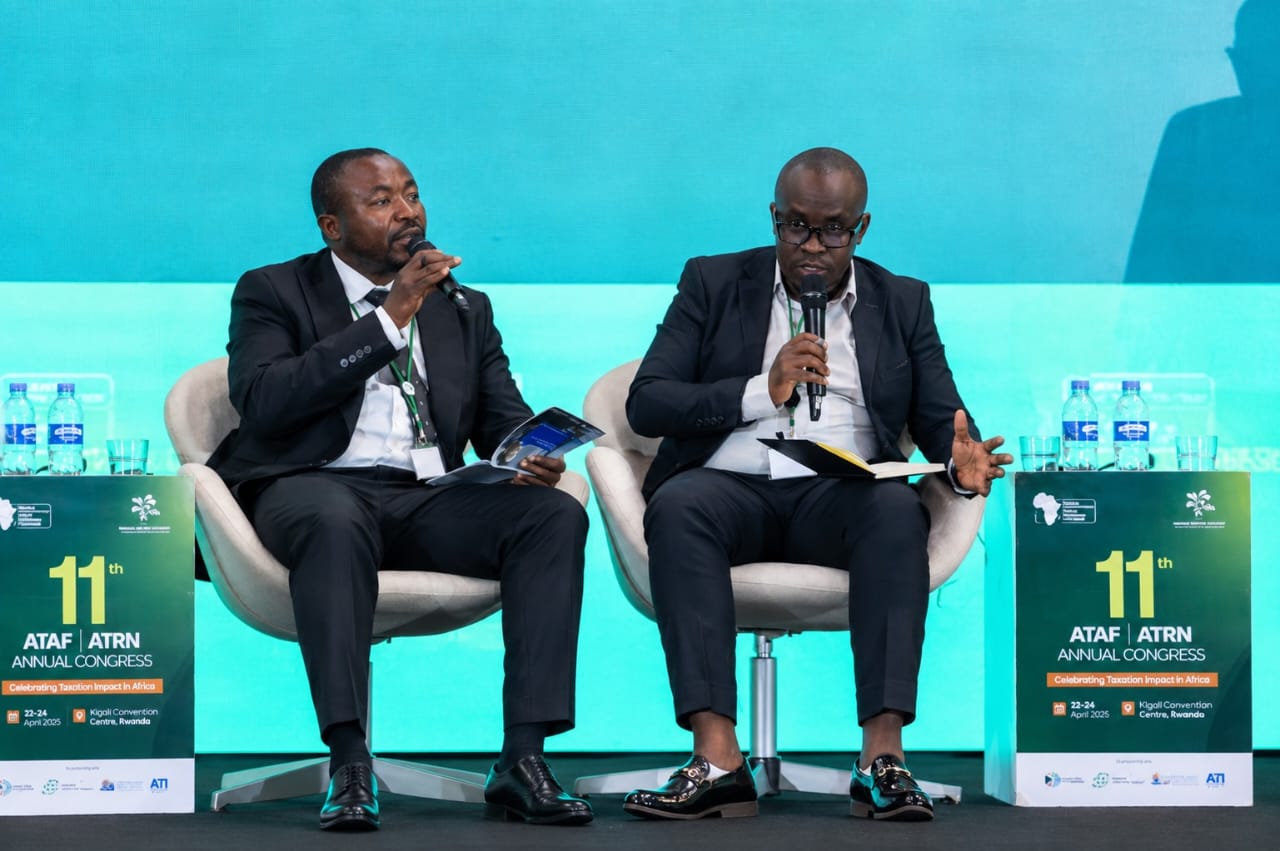
Chronicle Correspondent
ZIMBABWEAN tax researchers have urged African revenue administrations to adopt practical digital solutions to improve cross-border information exchange, strengthen risk-based audits and make tax collection more efficient.
The call emerged from two parallel research presentations at the ongoing 11th Annual Congress of the African Tax Research Network (ATRN) in Kigali, Rwanda.
In his presentation, Mr Jeremiah Makumba, project manager in the domestic taxes division of the Zimbabwe Revenue Authority (Zimra), examined the technical barriers affecting the automatic exchange of information among African tax administrations.
Dr Gift Mupunga, head of research and development at Zimra, demonstrated how machine-learning models could help identify high-risk businesses and improve audit selection.
Although their research focused on different areas, both experts highlighted the need for affordable technology adapted to Africa’s institutional and economic realities.
Mr Makumba’s research examined why automatic exchange of tax information remains limited across Africa despite international commitments to tax transparency and cooperation.
He identified several obstacles, including the high cost of information technology infrastructure, fragmented legacy systems, legal and institutional gaps and the absence of common taxpayer identifiers across jurisdictions.
Some administrations have also developed separate systems through donor-supported projects. When such projects end, these systems may continue operating independently, making it difficult to exchange information through a common and harmonised process.
Mr Makumba said the main barrier to automatic exchange of information was increasingly technical rather than political. While African countries have committed themselves to international tax standards, many administrations still lack the systems required to connect domestic databases to global information-exchange networks.
To address the problem, Mr Makumba proposed an African Interoperability Adapter, or AIA, which would enable tax administrations to exchange information without replacing their existing systems. The proposed adapter would extract data from a national tax system, transform it into a common format, validate it and transmit it through the relevant international gateway. It would also receive responses, process feedback and allow corrected information to be resubmitted.
Mr Makumba said the system would serve as a digital translation layer between different national systems. Each tax administration would continue to store and control its own data, while the adapter would connect domestic systems to international tax-information networks.
The approach could reduce the cost of developing multiple bilateral connections. Instead of building separate interfaces with every partner country, administrations could connect through a common African framework.
Mr Makumba said the model had been simulated in a laboratory environment using computers representing different jurisdictions. The simulation demonstrated how information could move between systems through an application programming interface.
The proposed framework would include data extraction, transformation, validation and transmission. It would also link technical compliance to legal obligations. Where countries are required to exchange information under international agreements, technical failures could affect their ability to meet those commitments.
Dr Mupunga’s presentation focused on the use of machine learning to improve audit selection. His research demonstrated a predictive model designed to identify businesses and firms more likely to declare losses.
The model examines indicators such as the ratio of costs to turnover, administrative expenses, operating expenses, economic sector and business size.
The analysis showed that businesses likely to report losses tended to declare unusually high costs compared with their turnover. High administrative expenses were also identified as an important indicator, followed by operating expenses. Risk varied across sectors.
Manufacturing, accommodation and real estate were among the areas that could require closer attention because businesses in those sectors showed a higher likelihood of reporting losses.
Business size was also relevant with experts noting that smaller firms could have a higher probability of being classified as high risk, while larger firms generally recorded a lower proportion of high-risk cases. Dr Mupunga stressed that a predictive model becomes useful only when tested and deployed using actual taxpayer data. The system demonstrated during the presentation could analyse large numbers of returns and generate summaries showing the actual number of businesses reporting losses, the model’s predicted loss rate and the number classified as high risk.
It could also rank businesses according to their probability of declaring losses and identify the financial indicators behind each risk classification. This would allow tax authorities to concentrate limited audit resources on cases with a higher likelihood of inaccurate reporting or significant revenue implications.
“If you have one million entries in a return, which you cannot audit, you don’t have those resources. But the model will provide for you,” Dr Mupunga said.
The two presentations also highlighted the risks associated with digital tax reforms. Mr Makumba’s interoperability framework would require common standards, secure transmission protocols, reliable data validation and clear legal rules governing information exchange.
Dr Mupunga’s machine-learning model would depend on accurate data and officials with the skills to interpret its results. A high-risk classification should not automatically be treated as proof of wrongdoing. It should indicate that a taxpayer may require further examination. Tax officials would still need to review the relevant records, consider the taxpayer’s explanation and follow the law before taking enforcement action.
Revenue administrations must also protect taxpayer information, monitor predictive models and ensure that digital systems do not produce unfair or unexplained outcomes.
The presentations showed that African tax administrations need both connected systems and better analytical capacity. Interoperability can help information move across borders, while machine learning can help authorities use that information more effectively.