Online Reporter
Langalakhe Mabena [email protected]
South African DJ and producer DJ Maphorisa has credited Zimbabweans living in the United Kingdom for playing a key role in taking Amapiano to the international stage.
DJ Maphorisa made the remarks during his appearance on Chapter 9 of legendary producer Oskido’s I Believe Podcast, where he discussed the growth of the South African-born genre and its expansion across Africa and beyond.
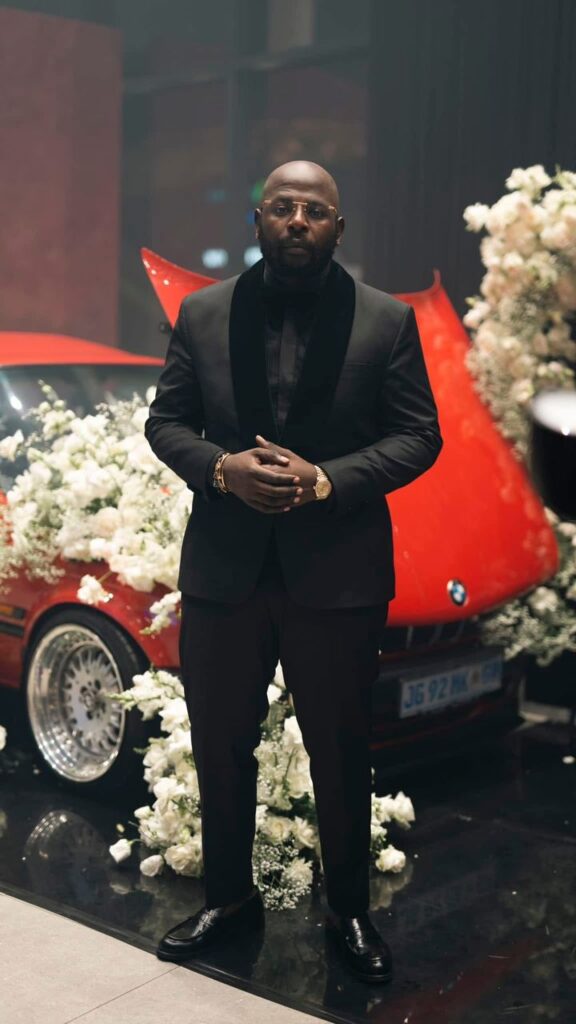
He said Zimbabweans based in the UK were among the early adopters of Amapiano and helped push the sound into international club spaces at a time when it was still developing in South Africa.
DJ Maphorisa said the Zimbabwean community embraced the genre and helped expose it to wider audiences, making the diaspora an important part of Amapiano’s international journey.
“Going international started with Uncle Waffles and me when we were booked in the United Kingdom by Piano People for their UK debut show in 2022. We performed at a famous venue in London. It was the first Amapiano gig in London after the Covid-19 lockdown.
“Most people in London are Zimbabwean, and they played a huge role in pushing the genre there. We also can’t forget the Nigerians and South Africans who are based in London,” said DJ Maphorisa.

He also addressed the long-running debate over claims that Nigerian musicians “stole” Amapiano from South Africa. He dismissed the claims, saying South African artistes and producers willingly gave Nigerian musicians the opportunity to experiment with the sound as part of efforts to grow it across the continent.
He pointed to collaborations between South African and Nigerian musicians as an important part of the genre’s expansion. Among the examples was the 2020 hit Sponono, which featured Kabza De Small, Wizkid and Burna Boy, among other artistes. The producer said such collaborations were deliberate attempts to merge audiences and markets while giving Amapiano a wider international reach.
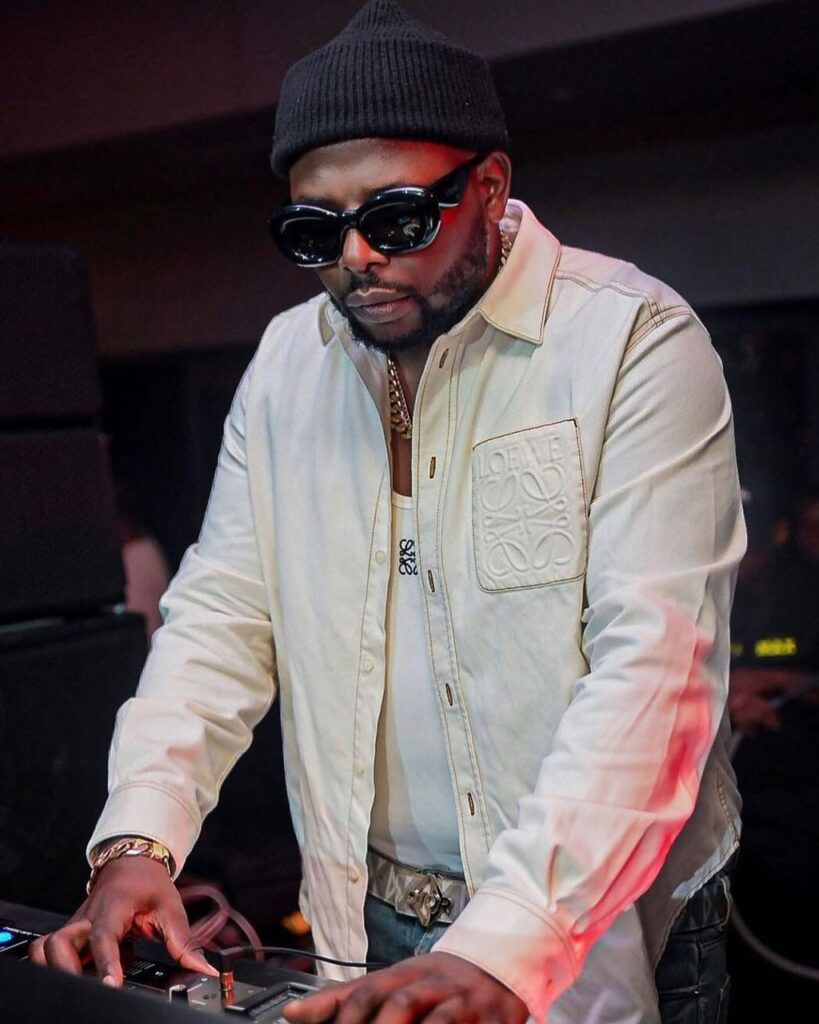
DJ Maphorisa also praised the Nigerian music industry for its strong business approach to promoting African music globally. He said South African musicians could learn from Nigerian artistes, whom he described as “aggressive and strategic” in marketing their music internationally.