Online Reporter
Mbulelo Mpofu
IN the annals of Zimbabwean aviation history, certain moments stand out — daring feats that push the boundaries of what’s considered possible. While air travel is widely regarded as one of the safest modes of transport, a split second can alter everything. Indeed, many tragedies regrettably stem from pilot error, underscoring the paramount importance of exercising caution. Yet, it is precisely within this demanding context that true mastery shines.
Enter the colossal Air Zimbabwe Boeing 707 jumbo jet, an aircraft whose sheer size makes a low pass an extraordinary, almost unthinkable feat. Nevertheless, one Zimbabwean pilot, Darryl Tarr, dared to pull off precisely this technique, etching his name into the world’s aviation lore.
From his humble beginnings in Zimbabwe to the prestigious cockpit of a Boeing 777 for Emirates Airline, Tarr has forged an impressive and storied career. Renowned for his exceptional flying skills and a deep-rooted passion for aviation, Tarr not only carved a name for himself in the skies but, more significantly, redefined the art of the low pass with a jaw-dropping, historic flyby at Harare International Airport back in 1995. This audacious act remains a pivotal moment in Zimbabwean aviation.
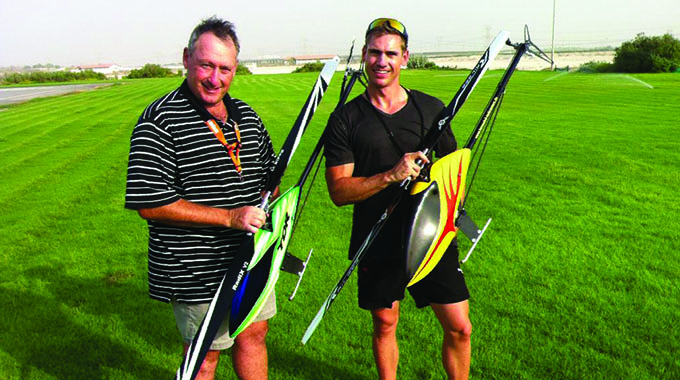
His profound fascination with flight began at a very young age, nurtured by a family background steeped in aviation.
“I started flying at a very young age and was a B737 Captain at the age of 24, and a B707 Captain at 26,” he shared.
His early experiences included an extensive background in model aircraft, where he participated in multiple National RC Championships and the Jet World Masters, securing 17th place globally in 2005.
“Competing in these events taught me precision and discipline, both of which are absolutely critical in aviation,” he explained.
Tarr’s most memorable moment came during an air show at Harare International Airport in May 1995.
“I was piloting an Air Zimbabwe Boeing 707-330B for a fly-past,” he recounted. This particular manoeuvre, often referred to as a low pass or low approach, is a critical go-around procedure performed after an approach, where the pilot opts not to land but instead executes a low flyby for the benefit of the audience.
“The flyby was fully authorised and meticulously planned,” he emphasised, clarifying that it was a non-revenue flight with only three crew members aboard. During the manoeuvre, he flew at a VREF speed (landing reference speed) of 116 knots, just slightly above the recommended approach speed.
“I initiated the low approach at 30 feet, using visual cues and backup calls from my First Officer,” he explained.
The emotional significance of the flyby was amplified by a previous incident involving an unauthorised flyby by a Boeing 767 during an air show, which had unfortunately attracted negative media attention.
“My display was legal and planned, despite what some of the media reported,” he stated, reiterating firmly that safety was never compromised.
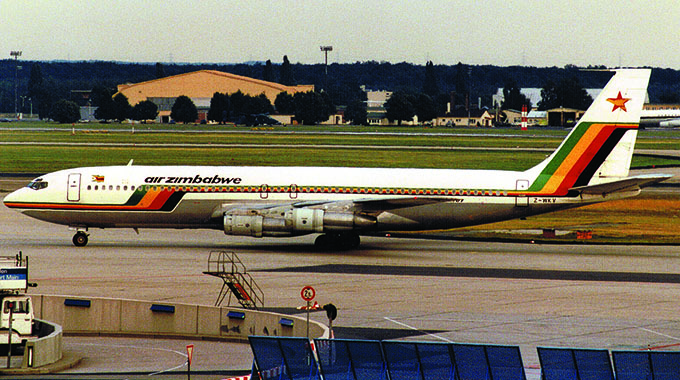
Tarr’s flying prowess is deeply rooted in his extensive training and experience. As the Senior Type Rating Examiner for the Boeing 707 fleet, he meticulously honed his skills in various flying techniques crucial for executing complex manoeuvres.
“I spent countless hours on the aircraft performing approach-to-stall entries, engine shutdowns, and other critical procedures,” he noted.
He further elaborated on the intricacies of the low pass: “It involves precise control of the aircraft’s pitch and speed to ensure both safety and to impress the audience.” The manoeuvre demands careful management of energy and altitude, making it a true testament to a pilot’s exceptional skill.
Tarr’s flyby did not merely showcase his abilities; it also profoundly changed perceptions of what was possible within Zimbabwean aviation.
“I wanted to inspire the next generation of pilots and show them that with skill and dedication, they could achieve truly great things,” he shared. His performance at the air show became a highlight, powerfully demonstrating the capabilities of the Boeing 707 and instilling immense pride in Zimbabwean aviation.
However, the significance of such manoeuvres extends well beyond mere spectacle.
“Different flying techniques can regrettably lead to fatal accidents if not executed correctly. Pilot error remains a leading cause of aviation accidents, often stemming from misjudgements or insufficient training,” he warned.
He particularly emphasised the pressing need for continuous practice and refinement of skills, especially in manoeuvres like the low pass and go-around.
Despite his remarkable accomplishments, Tarr readily acknowledged the ongoing challenges faced by pilots and the aviation industry within Zimbabwe.
“Resources are often limited, and opportunities for training and advancement can be scarce,” he explained. He firmly believes that mentoring young pilots is absolutely crucial to overcoming these obstacles.
“I hope to inspire others to pursue their dreams and provide them with the vital guidance they need to succeed,” he added.
His unwavering commitment to aviation extends to advocating passionately for better training programmes and robust support for aspiring pilots.
“We need to create environments where young aviators can truly thrive, where they have access to the resources and knowledge necessary to excel,” he stated.
Now based in Dubai, Tarr has flown with Emirates Airline since 1998.
“Flying the Boeing 777 is a dream come true.” He regularly operates flights to Johannesburg, which he fondly refers to as his “back garden.”
As a Senior Type Rating Examiner for Emirates, Tarr plays an absolutely vital role in training new pilots and ensuring they consistently meet the high standards of safety and proficiency required in aviation.
“It’s immensely rewarding to give back to the industry and help shape the next generation of pilots,” he said.
His passion for flying remains as strong as ever. “Do I miss the B707? Hell yes! It was a fantastic aircraft that allowed me to perform manoeuvres that no other aircraft can replicate,” he reminisced with evident fondness.
He reflected on the sheer thrill of flying and the continuous journey of learning and growth that aviation inherently demands.
Tarr reiterated his commitment to furthering his own career and steadfastly supporting others within the aviation community.
“I want to continue redefining what pilots can achieve, inspiring young aviators to truly reach for the stars,” he stated with conviction.
His iconic flyby in 1995 not only magnificently showcased his extraordinary flying abilities but also unequivocally redefined what is possible in Zimbabwean aviation.
— Follow on X @MbuleloMpofu