Online Reporter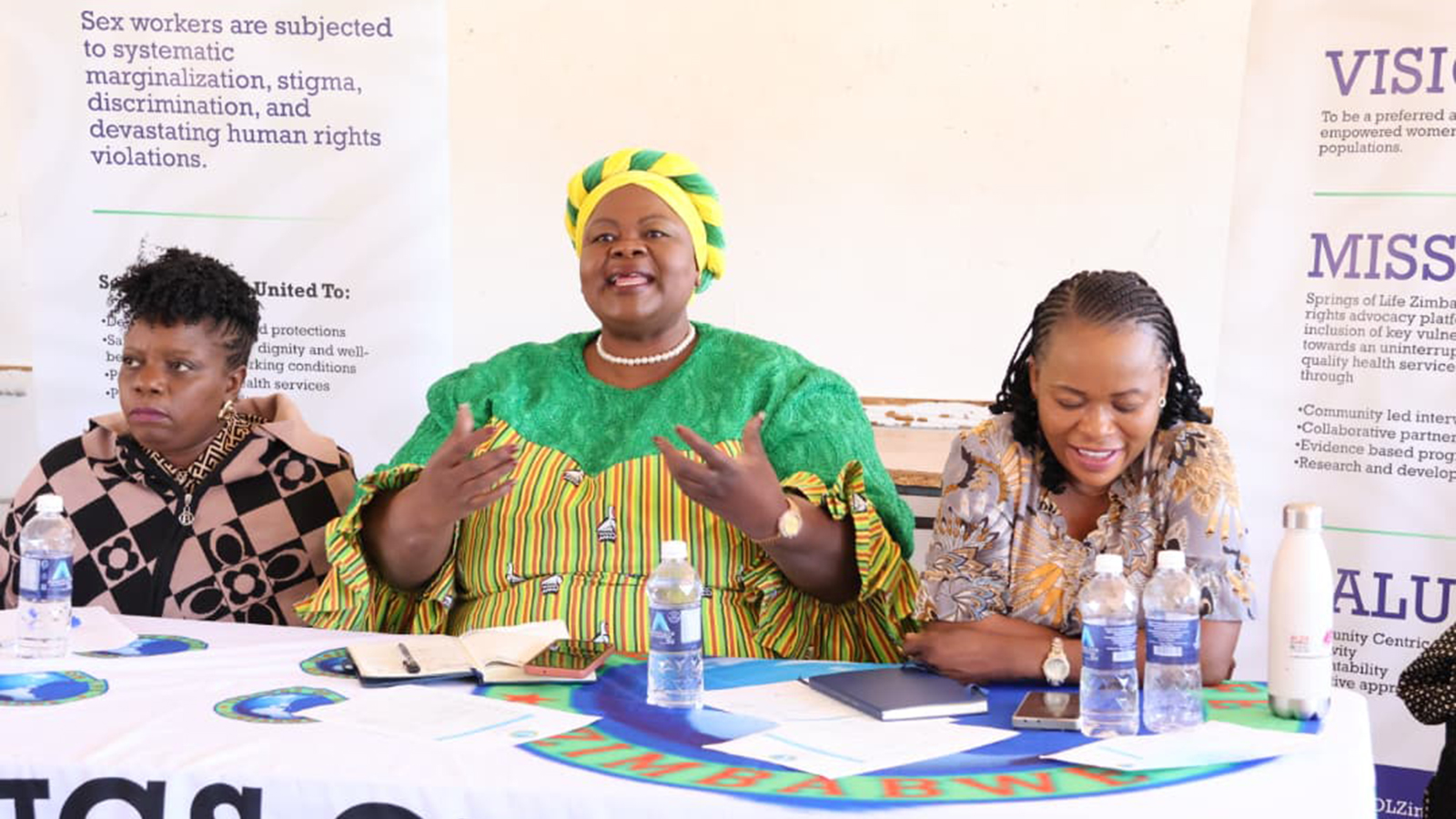
Theseus Shambare
The GOVERNMENT’S decision to prioritise inclusive health policies over punitive measures is yielding tangible results, with parliamentarians, civil society and communities calling for legislation that further protects marginalised groups in order to strengthen the
country’s fight against HIV and improve access to healthcare.
Zimbabwe has already surpassed the UNAIDS 95-95-95 HIV targets and entered the epidemic control phase, where new infections and AIDS-related deaths are both on the decline.
Health experts attribute this milestone to the country’s people-centred, health-first approach that leaves no one behind.
Under the national HIV response, key populations include sex workers, truck drivers, drug users and prisoners.
While the act of exchanging sex for money is not itself a crime, aspects such as public solicitation and living off the earnings of sex work are criminalised under the Criminal Law (Codification and Reform) Act.
This has forced many sex workers into hiding, limiting their access to essential health services and exposing them to stigma and abuse.
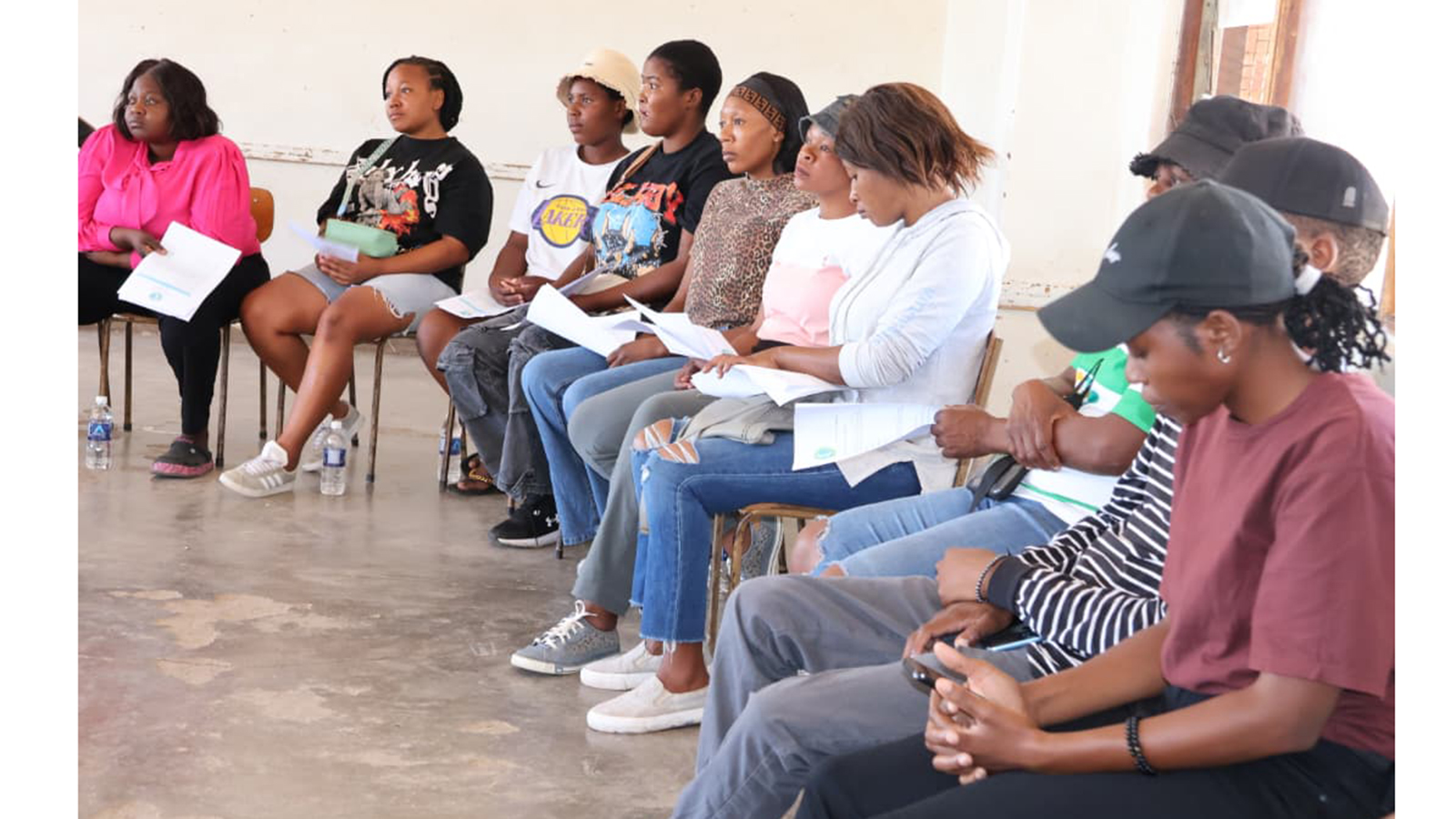
This was highlighted during a two-day needs assessment dialogue held in Magwegwe, Bulawayo, on Thursday by the Parliamentary Portfolio Committee on Health and Child Care in partnership with Springs of Life Zimbabwe, a sex worker-led organisation
working to improve the lives of marginalised groups.
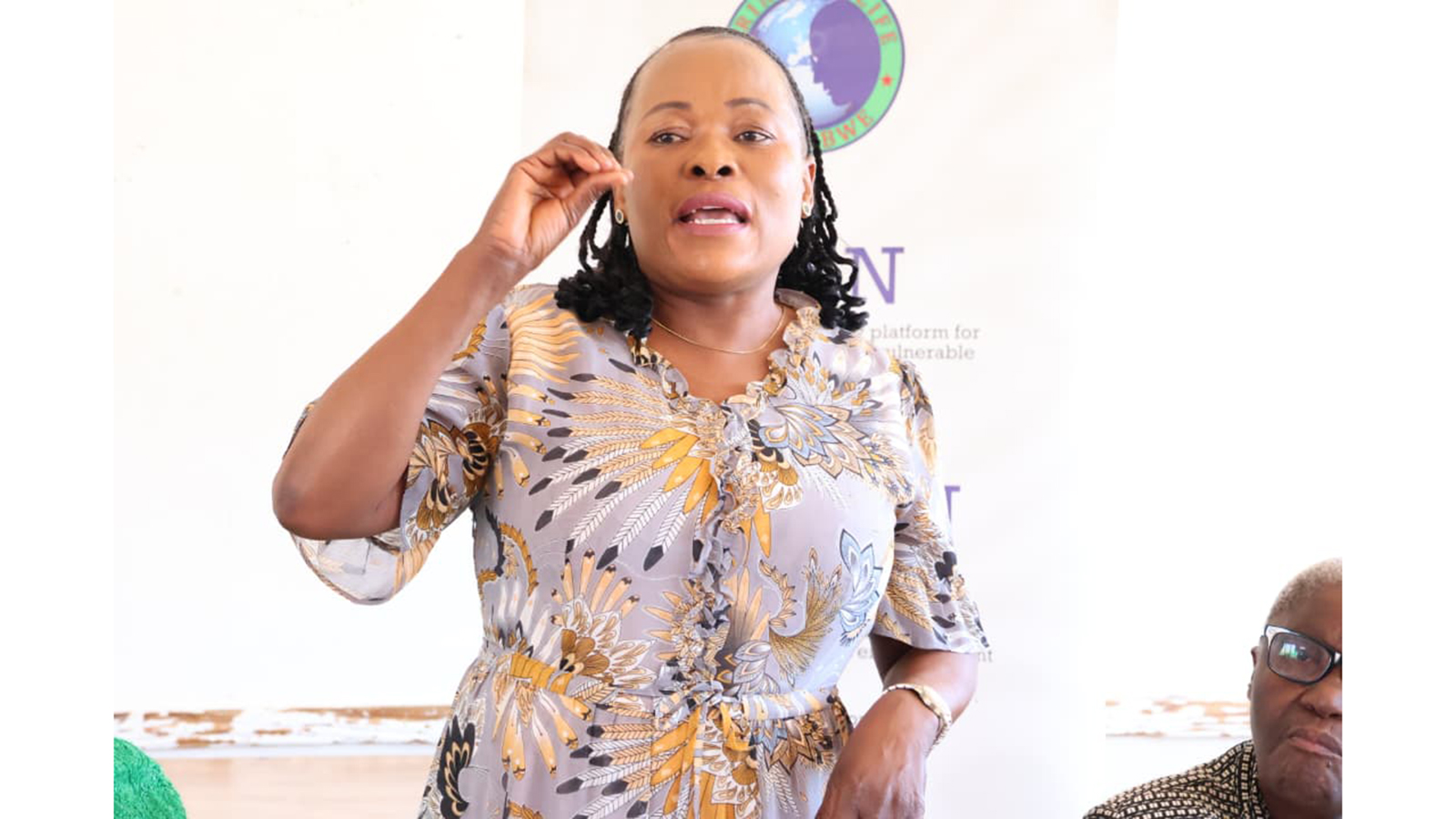
Acting chairperson of the committee, Ms Nomathemba Ndlovu, said decriminalisation of sex work would enhance health security.
“Sex work has been in existence since time immemorial; it is now time to face and deal with reality rather than pretending we do not know it,” she said.
“It is very important that decriminalisation is implemented so that people can operate legally, in a dignified and well-managed way, which respects our cultural norms while also protecting the rights of others.
“Once this is achieved, people will seek hospital care without fear, condoms will be accessible and diseases will go down.”
Midlands Proportional Representation MP Cde Perseverance Zhou said the Government’s focus on health delivery had proven effective.
“Eighty to ninety percent of the time, authorities have turned a blind eye to arrests and instead prioritised health,” she said.
“Sex work is a fact; it is not something that can be wished away. What we should emphasise is the 95-95-95 targets and economic development. We need to economically empower these women while we fight for success in health delivery.”
Gwanda North legislator Cde Desire Nkala urged sex workers to embrace positive community relations.
“We cannot end it (sex work),” he said.
“But we need to make sure they are recognised as human beings and exercise their rights without infringing on others’.”
Springs of Life Zimbabwe programmes coordinator Ms Precious Msindo applauded the Government’s health-first approach.
“As we deliberate and dialogue on the decriminalisation of sex work, we would like to thank the Government for recognising sex workers in the health care delivery system,” she said.
“Indeed, sex workers are accessing health services without discrimination and despite past condom shortages, everything has been corrected and supplies are now readily available for free at various institutions.”
Former chairperson of the committee, Dr Ruth Labode, noted that punitive laws were inconsistent with Zimbabwe’s progress.
“Sex workers are part of our key populations and criminalisation only fuels stigma,” she said.
“Even the ILO recognises sex work as work and Zimbabwe is a signatory. To sustain our gains, we must align laws with health priorities.”
Building on the government’s inclusive approach, Matabeleland South Senator Meliwe Phuthi emphasised the importance of recognising marginalised groups in the fight against HIV.
“By putting people’s health first and ensuring everyone can access services without fear, we are protecting lives, reducing new infections, and moving closer to a Zimbabwe where no one is left behind,” she said.