Online Reporter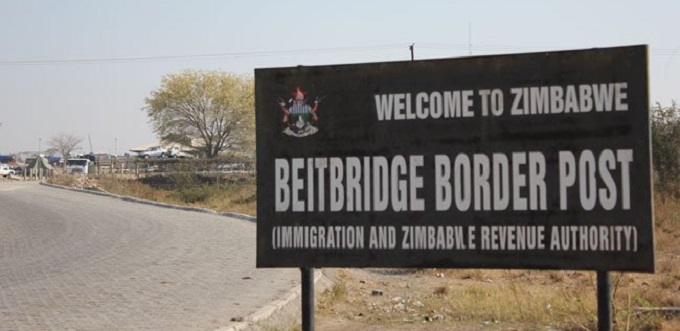
Thupeyo Muleya, Beitbridge Bureau
South Africa’s Ministry of Transport has started rolling out a series of consultative meetings with various stakeholders as it plans to collect toll fees on vehicles entering that country via the Beitbridge Border Post, as part of its realignment of border operations.
At the moment, motorists are only levied toll fees upon entering or leaving the Zimbabwean side of the border.
Under the new plan, South Africa is proposing that Zimbabwe will only collect toll fees on vehicles entering its border, while South Africa will collect toll fees from those entering its border.
The latest development is part of the many concessions made when Zimbabwe took over ownership of the New Limpopo Bridge (NLB) in June 2014 at the end of the 20-year Build Operate and Transfer arrangement with New Limpopo Bridge (Ltd), a company
that constructed the bridge in 1994.
The handover-takeover ceremony was held at the duty-free shop on the Zimbabwean side of the border and witnessed by the then Minister of Transport, Dr Obert Mpofu and his South African counterpart (then) Minister Dipuo Peters and top civil servants from
both countries.
The new proposal is contained in South Africa’s Government Gazette published on August 15, as outlined by Transport Minister Ms Barbra Creecy under the ministry’s notice of intent.
South Africa’s National Road Agency Limited (SANRAL) is the lead agency in overseeing the implementation process.
SANRAL spokesperson Mr Lwando Mahlasela said consultation sessions on the intention to toll Beitbridge began last month running from September 8 to 12 and another meeting is scheduled for October 17.
“The Minister of Transport, Ms Barbara Creecy, recently approved the intent to toll Beitbridge (the border post and bridge between South Africa and Zimbabwe). The intent to toll was published via Government Gazette No 53178 on 15th August 2025,” he said.
“Travellers crossing the border between the two countries have always paid a toll fee in Zimbabwe, north and south bound (i.e. in both directions). Going forward, South Africa will take over the tolling of the southbound traffic on entering the Beitbridge facility.
“Zimbabwe will continue collecting its normal toll fees for northbound and stop collections for southbound traffic.
“The toll fees will be used for the construction of a new third freight bridge and the construction of a new processing facility to support the Smart Border initiative”.
Mr Mahlasela added that, as the norm with toll fees, the collected revenue will also be used for ongoing maintenance of the facilities, roads and bridges.
He said the initiative will result in a seamless and quicker border flow through dedicated lanes for freight, light vehicles and passenger vehicles.
Beitbridge Border Post, Mr Mahlasela said, was known for delays, especially during peak seasons and that the anticipated toll system will reduce delays and fuel wastage, ensuring predictable transit times.
“The system will also come with automated and transparent tolling, which will modernise the road user experience,” he said.
“SANRAL, as the implementing agency, will facilitate a comprehensive public engagement process aimed at the general public, the Border Post stakeholders, other state-owned entities like the Border Management Authority (BMA), South African Revenue
Services (SARS), Cross-Border Road and Traffic Agency (C-BRTA), and specifically the affected Limpopo Province municipalities, provincial departments and the Premier.”
The official said the Beitbridge Border Post was strategic for African trade as a major gateway between South Africa and the Southern African Development Community (SADC) and beyond, and hence the new facility and envisaged third freight are practical steps towards facilitating the African Continental Free Trade Area, said Mona.
The port of entry handles an average of 15 000 travellers per day and the number increases to around 20 000 during peak periods.
Further, a total of 2 100 buses, 14 000 to 15 000 haulage trucks and 25 000 private cars pass through the border every month.