admin
admininhabitants to provide scientifically acceptable evidence of life styles, values and systems.
Using found objects as their source material, contemporary artists have become archaeologists, and in Zimbabwe, numerous artists have become such masterly gatherers of the evidence.
They seem to have taken to heart the advice of a great poet and playwright who said “Use what you can.”
Ignoring commercial pressures, local expectations of “art” materials and prejudice against “rubbish”, artists sift through random, broken, discarded and displaced bits and pieces, combining them to make new and original holes which have their own logic and beauty.
A crop of young and upcoming as well as the established have become connective artists, working in contemporary mode but along an old artistic line which stretches back to the bricolage of classic African artifacts.
To conventional materials such as wood, metal and stone they add modern ingredients such as plastic, rubber, glass, cardboard and lot more.
Within each material they have moved away from handcrafting (carving, casting and moulding) the “pure” material to using cast-off objects already fashioned for various purposes.
However, handwork remains the basis of the process by which they connect and bind the very desperate elements.
Curious juxtaposition and unexpected combinations result in dense complicated yet simple objects. The qualities of the materials – colours, dents, edges, texture, volumes and weights – are used directly and the structuring is fully visible.
Awkwardness, irregularity, damage, are not concealed.
In a concentrated struggle with the chaotic mass they have to choose from, they select, adjust, and improvise to create assemblages which develop lives of their own and contain all the references and allusions that cling to the parts, bringing them into a jangling harmony.
When modernism in art broke with representational mimesis and the industrial revolution exponentially expanded technology, welded metal assemblage sculpture claimed its position alongside the traditional sculptural techniques of carving and casting opening the door to greater possibilities of subject, style and scale.
A similar occurrence happened in c450 BC when the Greeks mastered the hollow bronze casting that gave them the freedom to increase the size and movement of their figures.
Welded metal sculpture is essentially about freedom – freedom for the imagination and freedom of expression. But any new and revolutionary art form needs institutional and financial support.
For Zimbabwean artists that support came in 1972 when the National Gallery, sponsored by Rhodox (Rhodesia Oxygen) hosted the first “Scrapiron” exhibition. In the catalogue for that pivotal show Frank McEwen noted that the first scrapiron sculpture recorded was from Dahomey.
It depicted the Fon War God Gu. The figure, made of beaten iron, is capped by a humorous “flowered hat” of metal choppers, fish hooks, picks, hoes, shovels and chain.
How fitting that Africa should be the progenitor of scrap metal sculpture; Africa where creativity abounds, humour warms the heart, and recycling is a way of life. Even more fitting is Zimbabwe’s position centre-stage in the world of metal sculpture.
Zimbabwe can probably claim to have more artists per capta than any other nation. Art in Zimbabwe is about survival, communication and the use of whatever materials and methods that are readily available.
l Stephen Garan’anga is an international fine art practitioner, independent art projects coordinator, chairperson of AfricanColours Artists, executive member Batapata International Artists’ Workshop, critical visual arts writer amongst other things.
[email protected]


Online Reporter
- Herald
- July 28, 2026
- 24 views
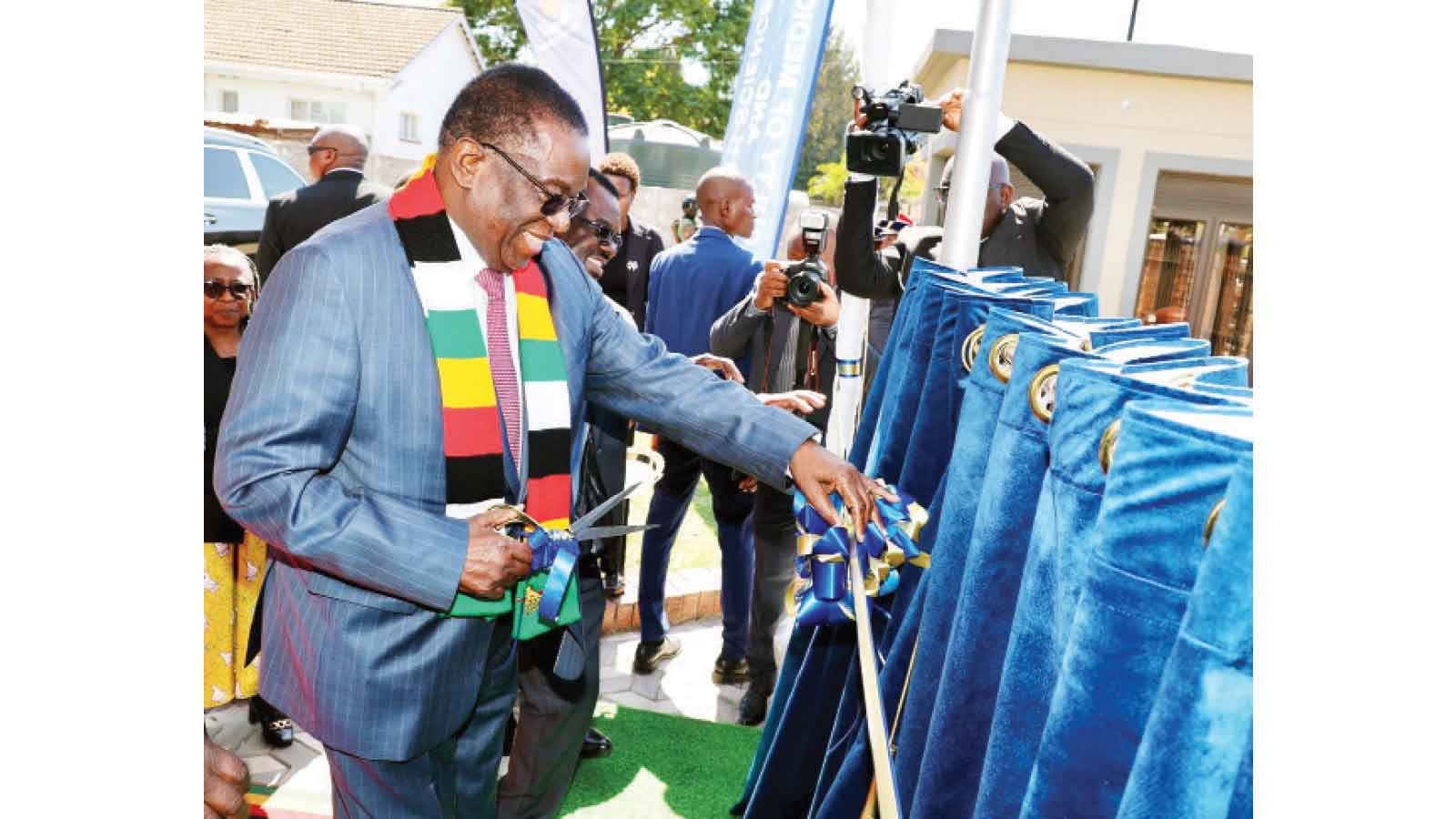
Our people deserve better, says President‘. . . health sector cartels inflate prices, prejudice patients’ . . . opens industrial incubation centre, medical facility
Zvamaida Murwira Senior Reporter PRESIDENT Mnangagwa has hit out at unscrupulous businesspersons in the health sector who operate as cartels and syndicates to inflate costs of goods and services for…