
Masimbaashe Mambara
THE global shift towards renewable energy has become one of the defining environmental and economic transitions of our time. As countries search for solutions to climate change, energy insecurity and environmental degradation, solar energy has emerged as one of the most practical and rapidly expanding sources of clean power.
For Zimbabwe, a country blessed with abundant sunshine for much of the year, solar energy offers a genuine opportunity to address persistent electricity shortages while safeguarding the environment and stimulating economic growth.
Zimbabwe receives some of the highest levels of solar radiation in Southern Africa. This places the country in a strong position to harness solar power on a large scale. This natural advantage is particularly significant at a time when Zimbabwe has long relied primarily on hydroelectric power from Kariba Dam and coal-fired power stations.
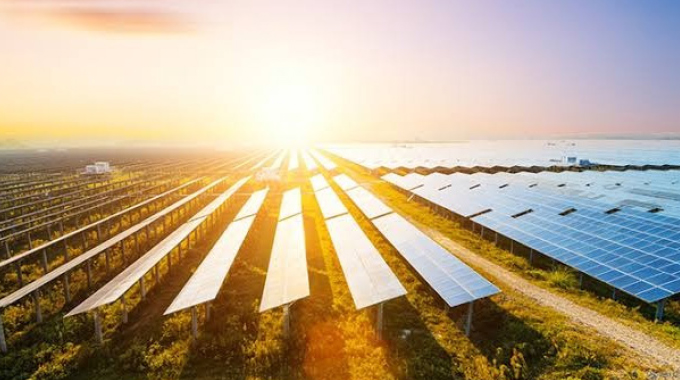
However, changing weather patterns, declining water levels in Lake Kariba and the environmental consequences of coal-powered generation have exposed the vulnerabilities of the current energy mix. Frequent power outages affecting homes, schools, hospitals and businesses have highlighted the urgent need for alternative electricity sources that are both reliable and sustainable.
From an environmental perspective, solar energy presents a compelling solution. Coal-fired power stations release significant amounts of greenhouse gases that contribute to climate change. By contrast, solar panels generate electricity without producing emissions during operation. This helps reduce carbon emissions and supports global efforts to combat climate change. Every unit of electricity generated from the sun is one less unit that must be produced from coal or diesel. For a developing nation such as Zimbabwe, which seeks to expand its economy while preserving its natural environment, solar power offers a pathway to sustainable development that does not compromise the wellbeing of future generations.
The advantages of solar energy extend beyond tackling climate change. Electricity generated from coal and diesel also contributes to air pollution. Emissions from thermal power stations can cause respiratory illnesses, particularly among children and older people. They can also damage vegetation, contaminate water sources and reduce air quality in urban and industrial areas. Solar power produces none of these pollutants during operation. As a result, it contributes to cleaner air and healthier communities, an especially important benefit in densely populated urban centres where people live in close proximity.
Solar power also plays an important role in conserving water. Water scarcity is becoming an increasingly serious challenge across Southern Africa. Many forms of electricity generation require substantial amounts of water. Coal-fired plants depend on water for cooling, while hydroelectric generation relies entirely on sufficient water levels in reservoirs. The decline in water levels at Lake Kariba demonstrates the risks of excessive dependence on hydropower. Solar photovoltaic systems require very little water once installed, making them particularly suitable for a country such as Zimbabwe, where droughts and water stress are becoming more frequent.
Zimbabwe has already embarked on its renewable energy journey, achieving notable successes while also encountering significant challenges. These experiences provide valuable lessons for Government, investors, environmental professionals and project developers alike.
One of the most prominent success stories is the Centragrid Nyabira Solar Plant in Mashonaland West Province. The project began on a modest scale before being expanded. Today, it supplies clean electricity to the national grid. The environmental benefits are evident. By generating solar power, the plant helps reduce dependence on coal-fired generation and diesel-powered backup systems. This lowers greenhouse gas emissions and strengthens energy security, particularly during periods of load shedding when businesses and households would otherwise rely more heavily on diesel generators.
Beyond electricity generation, the Nyabira project has demonstrated that renewable energy can succeed in Zimbabwe when supported by sound planning, adequate financing and collaboration among key stakeholders. The developers have also implemented environmental monitoring programmes. These assess factors such as land condition, surrounding plant and animal life, stormwater management and waste disposal practices. Through continuous monitoring, potential issues can be identified and addressed before they become serious. This approach helps protect the surrounding environment while fostering trust among local communities who want assurance that new developments will not harm their natural surroundings.
The mining sector has also begun to play an important role in advancing renewable energy. One notable example is the solar programme being implemented by Zimplats. As one of the country’s largest electricity consumers, the company has invested in solar power to support parts of its operations. This demonstrates that environmental responsibility and commercial success can go hand in hand. Through the adoption of solar energy, the company is reducing its carbon footprint, lowering long-term energy costs and decreasing its reliance on the national grid. This is significant because it also helps make more electricity available to other consumers.
When large companies invest in solar energy, the benefits extend beyond their own operations. Such investments reduce pressure on Zesa and demonstrate to other businesses that renewable energy is both practical and commercially viable. Projects of this nature accelerate the transition to cleaner energy and illustrate how the private sector can play a leading role in addressing national challenges.
However, not every renewable energy initiative has delivered positive results. The Gwanda Solar Project serves as a clear example of what can go wrong. It was announced as a major development expected to contribute substantial solar power to the national energy supply. Expectations were high. Yet, years later, the project remains incomplete. Challenges related to governance, procurement, financing and oversight resulted in prolonged delays and undermined public confidence.
The consequences of such delays are significant. When renewable energy projects fail to progress as planned, the country remains dependent on coal and diesel generation for longer periods. This leads to increased pollution and higher greenhouse gas emissions. It also delays progress towards greater energy security. The Gwanda experience offers an important lesson: advanced technology alone is not enough. Successful projects also require strong institutions, transparent processes and effective accountability. Without these foundations, even the most promising initiatives can falter.
Despite these setbacks, considerable progress has been made. Nevertheless, several obstacles continue to impede the expansion of solar energy in Zimbabwe. One of the most significant challenges is financing. Solar projects require substantial upfront capital investment, and developers often struggle to secure affordable long-term financing. Economic uncertainty, currency fluctuations and perceived investment risks can increase costs and discourage potential funders.
The regulatory environment presents another challenge. Investors need certainty before committing substantial resources.
They require clear information regarding tariffs, licensing procedures and the structure of power purchase agreements.
Frequent policy changes or regulatory uncertainty make long-term planning difficult and can deter investment.
The electricity grid also requires major improvements. Much of the country’s transmission and distribution infrastructure is
ageing and in need of modernisation. Integrating large volumes of solar power into the grid will require upgrades to ensure electricity can be transmitted efficiently from generation sites to consumers. Without these improvements, solar energy will struggle to achieve its full potential within the national energy mix.
There is also a growing need to develop local expertise. Zimbabwe requires more engineers, technicians and environmental specialists with knowledge of solar technology, environmental management and project monitoring. Reliable data and robust evidence are essential for effective decision-making and for ensuring that renewable energy projects deliver both energy and environmental benefits.
Looking ahead, the outlook for solar energy in Zimbabwe is highly promising. The global cost of solar panels and battery storage systems has continued to decline, making projects increasingly affordable. Public awareness of climate change has also grown, leading to greater demand for cleaner energy solutions. At the same time, electricity demand continues to rise as more households and businesses seek access to reliable power.
Plans are already in place for additional large-scale solar developments across various parts of the country. Innovative approaches are also being explored, including floating solar installations on dams. These systems can maximise available space while simultaneously reducing water evaporation. If successfully implemented, such initiatives could significantly increase
Zimbabwe’s renewable energy capacity.
The lessons from Zimbabwe’s experience to date are clear. Solar energy is far more than simply another means of generating electricity. It forms part of a broader vision centred on environmental protection, climate change adaptation and economic resilience. Successful projects demonstrate the value of careful planning, adequate funding and sustained commitment from government and development partners. Struggling projects, meanwhile, highlight the importance of transparency, accountability and effective management.
As Zimbabwe advances towards a cleaner and more diversified energy future, renewable energy will play an increasingly central role in shaping both the environment and the economy. By building on past successes, learning from previous shortcomings, strengthening monitoring systems and making evidence-based decisions, the country can develop an energy system that is both reliable and sustainable. Such a system will help meet the needs of the present while preserving the wellbeing of future generations and protecting the environment on which they depend.