Online Reporter
Fungai Lupande
Mashonaland Central Bureau
WITH over 5 000 Zimbabwean students studying medicine in Zambia, the Zimbabwe Council for Higher Education is preparing to travel to the neighbouring country to assess the quality and credibility of programmes being offered there.
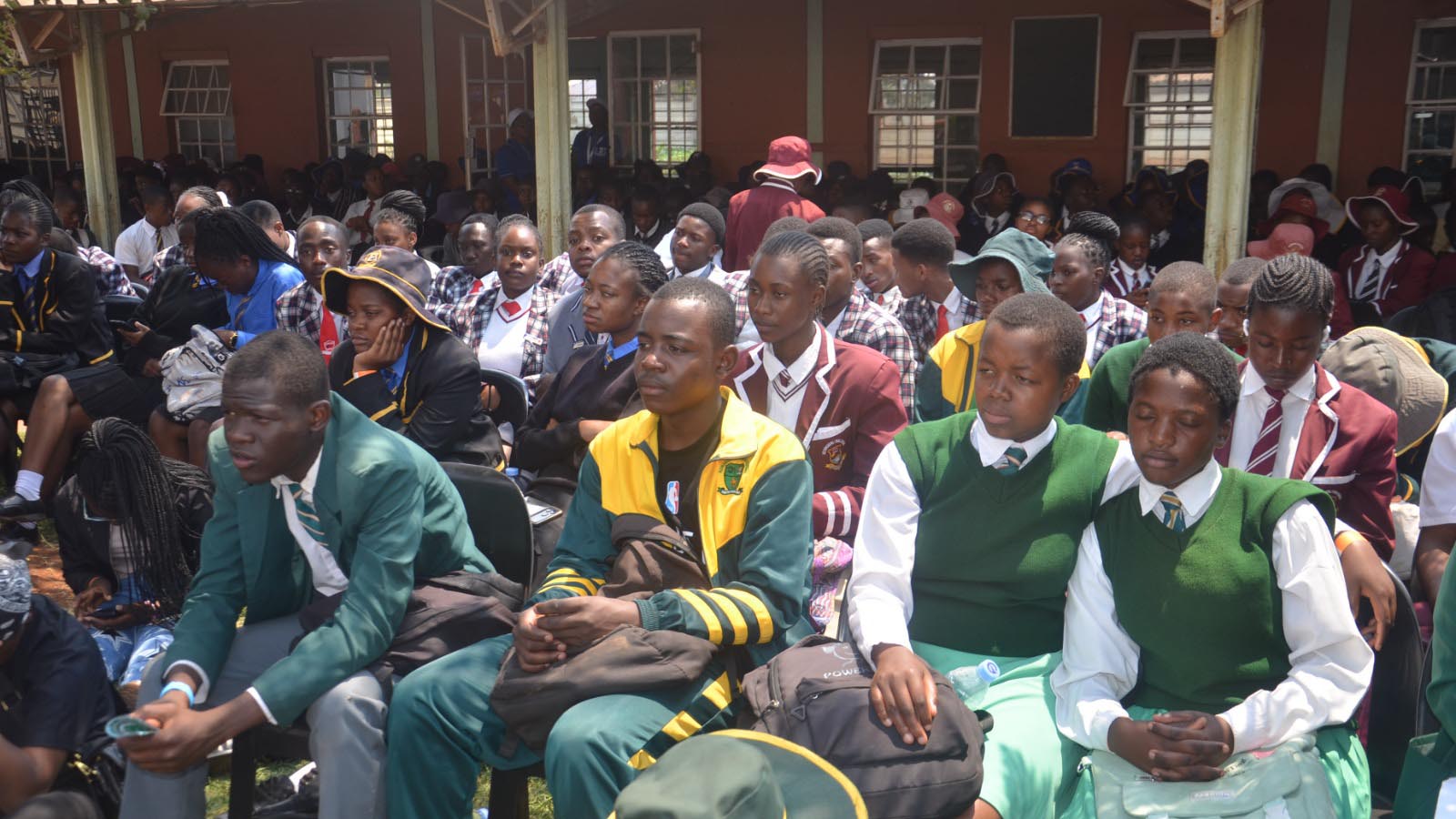
ZIMCHE chief executive officer, Professor Kuzvinetsa Dzvimbo, revealed the development on Friday at an engagement with students at Bindura University of Science Education (BUSE), saying that the visit seeks to ensure Zimbabwean students studying abroad obtain qualifications that meet regional and international standards.
Prof Dzvimbo said ZIMCHE teams would also be visiting universities in Uganda, Kenya and Namibia as part of efforts to strengthen regional academic standards and harmonisation.
“There is a university in Zambia where about 5 000 Zimbabweans are studying medicine, so we want to make sure that when they come back, they will be accepted by the medical profession,” said Prof Dzvimbo.
He said ZIMCHE regularly benchmarked local and foreign degree programmes to ensure Zimbabwean graduates remained globally competitive.
Prof Dzvimbo stressed that Zimbabwe’s higher education quality assurance system was rigorous and involved comparisons with universities across Southern Africa, the African continent and internationally.
“When universities want to introduce a degree programme, we ask them who they have benchmarked against locally, regionally and globally,” he said.
He said that programme evaluations are conducted by teams comprising associate professors and full professors from Zimbabwe and abroad, including Zimbabwean academics teaching in countries such as the United Kingdom and the United States.
“The process of approving a degree programme is rigorous and designed to ensure that qualifications offered by our institutions compare favourably with those from top universities around the world,” he said.
During the engagement, students raised concerns about whether Zimbabwean degrees are recognised internationally and whether local institutions are doing enough to produce globally competitive graduates.
Responding to the concerns, Prof Dzvimbo assured students that ZIMCHE continuously reviews programmes to ensure they remain relevant, competitive and aligned with industry demands.
“We want to make sure that what you study prepares you for industry, commerce and government anywhere in the world,” he said.
He described Zimbabwe’s higher education quality assurance system as “sacrosanct”, saying it is designed to protect the integrity and global recognition of Zimbabwean qualifications.
Prof Dzvimbo said every degree programme proposed by a university undergoes extensive scrutiny before approval.
“When a head of department or a dean comes to us and says they want to introduce a degree in physics, the first question we ask is: who is your comparator?” he said.
“We ask which universities in Zimbabwe, Southern Africa, Africa and globally they have benchmarked against, whether in Europe, North America, Latin America or Asia, especially China.”
He said ZIMCHE deploys teams made up mainly of associate professors and full professors from local and international universities to assess proposed programmes.
“In some cases, we even include academics from South Africa or Zimbabwean professors teaching in the United Kingdom, the United States and other parts of the world,” he said.
“The process of approving a degree is rigorous and it meets regional, continental and global standards.”
Prof Dzvimbo said ZIMCHE’s Higher Education Quality Assurance Board, chaired by a vice-chancellor, also includes representatives from industry, Government and academia to ensure graduates are equipped for the labour market.
He told students that the council continuously compares Zimbabwean degree programmes with those offered in other countries to maintain competitiveness.
“I will be in Uganda next week, some colleagues will be in Kenya, and others in Namibia. We are looking at degree programmes and comparing them with those in Zimbabwe,” he said.
“Where we think our degrees do not compare favourably, we respectfully engage institutions to improve them.”
Prof Dzvimbo also revealed that he would soon travel to Zambia to assess universities there amid concerns over the growing number of Zimbabwean students studying medicine in the neighbouring country.