

 Online Reporter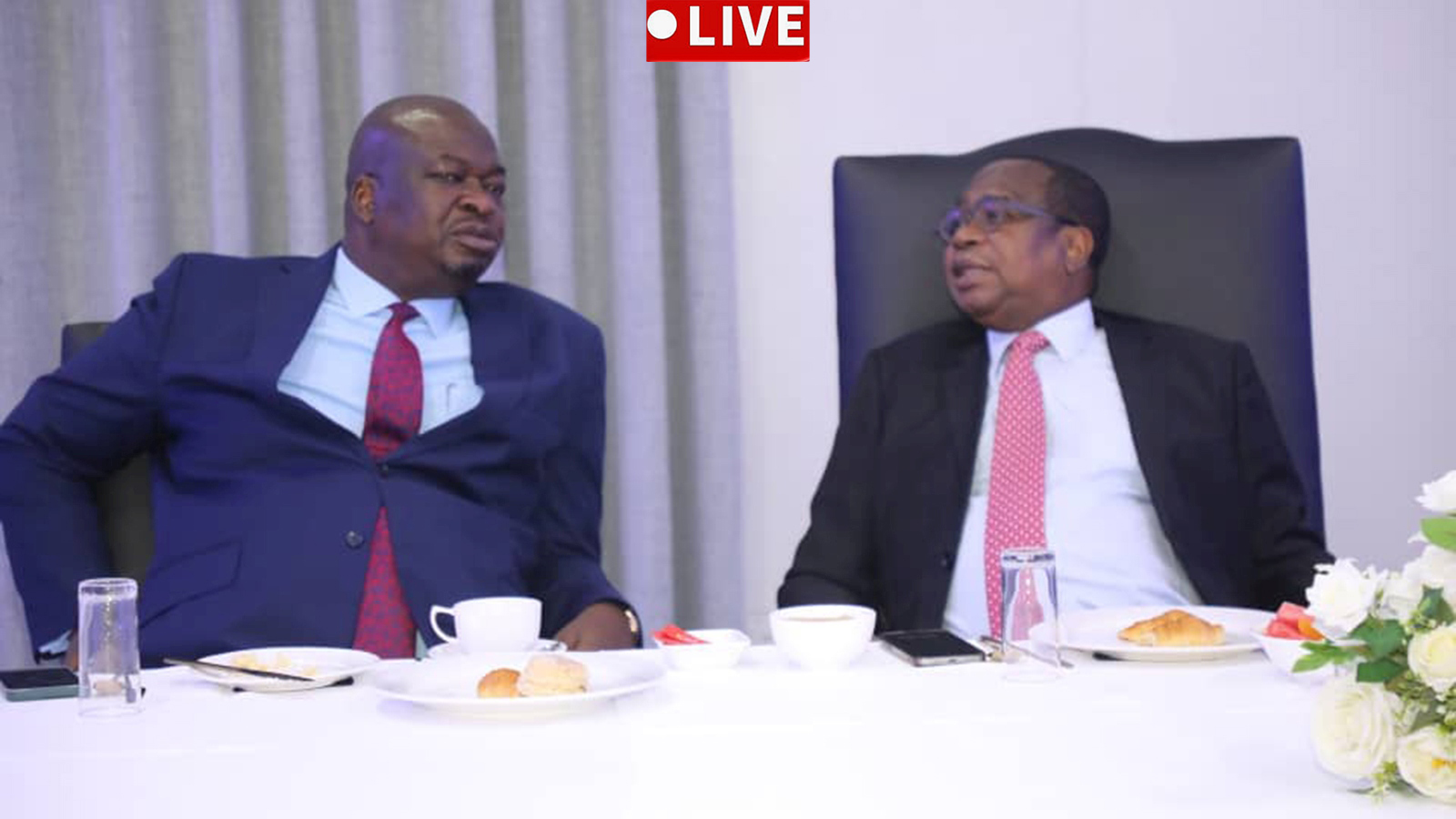
Good morning, Zimbabwe!
Today we are coming to you live from the Golden Conifer in Harare, where a diverse group of over 250 business leaders has gathered for the highly anticipated 2026 Post-Budget Breakfast Meeting.
Organised by Zimpapers in collaboration with the Confederation of Zimbabwe Industries (CZI), this event is pivotal in unpacking the recent fiscal policy statement presented by Finance, Economic
Development, and Investment Promotion Minister, Professor Mthuli Ncube, in Parliament.
Join us as we delve into critical discussions surrounding the implications of this budget on the economy, industry, and the future of business in Zimbabwe.
Our Business Reporter, Oliver Kazunga, will provide the live updates.
Stay tuned for insightful commentary and expert analysis throughout the session.
Finance Minister arrives
Prof Ncube has arrived at the Golden Conifer, accompanied by Permanent Secretary Mr George
Guvamatanga and several other Government officials, thereby setting the stage for a meaningful dialogue on fiscal policy.

As the attendees settle in, excitement fills the air, reflecting the significance of today’s discussions.
CZI chief executive officer, Ms Sekai Kuvarika is currently delivering a briefing that outlines the key areas of focus for this morning’s meeting.
With her extensive expertise, Ms Kuvarika aims to lay the groundwork for an engaging conversation about the budget’s impact on various industries and the broader economy.
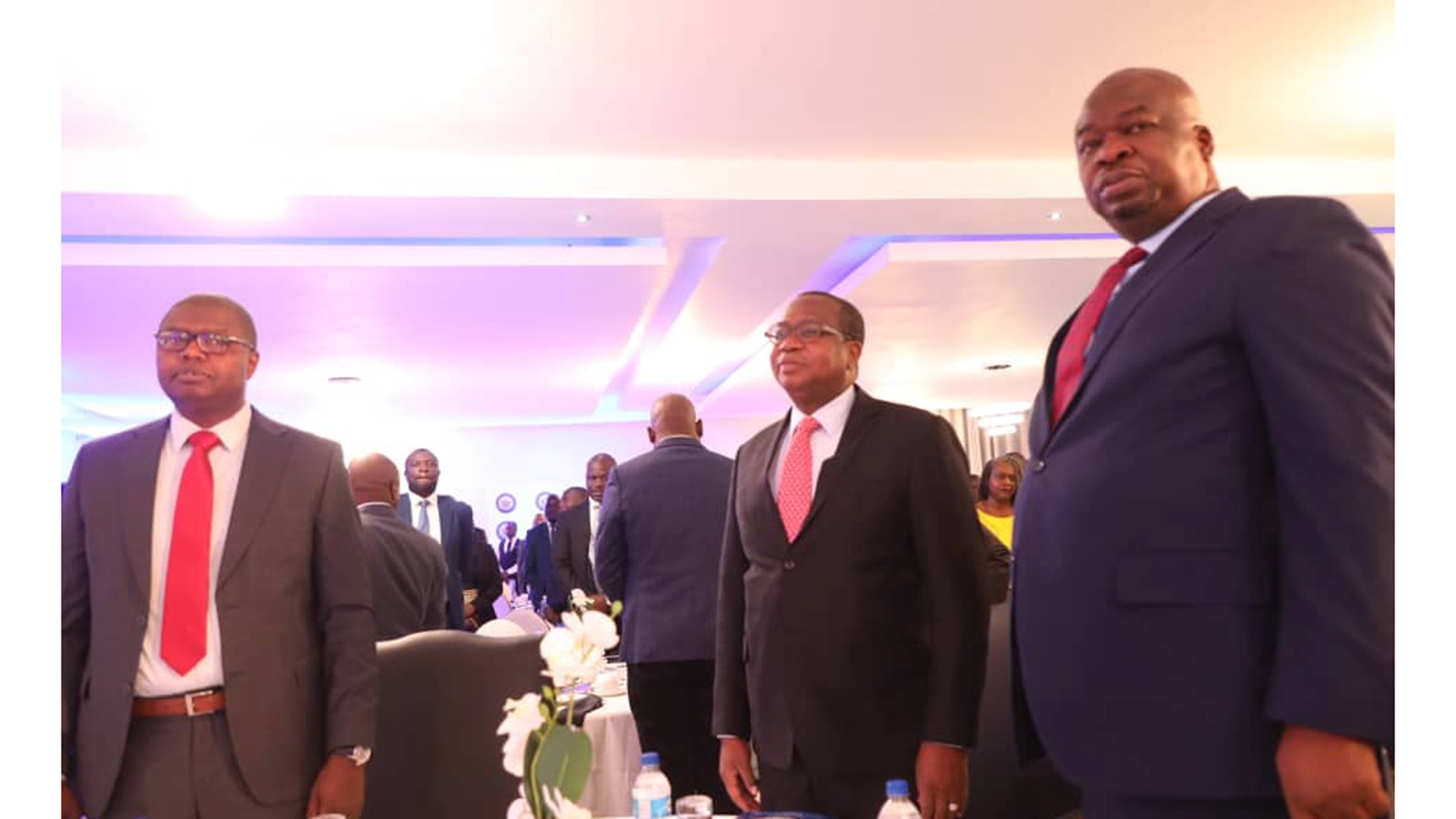
A platform for frank discussions
The post-budget breakfast meeting serves as a crucial interface between policymakers, business leaders and economic stakeholders, enabling frank discussions on the opportunities and challenges presented by the fiscal policy framework.
Deliberations from the session are anticipated to contribute to ongoing dialogue aimed at strengthening economic reforms and enhancing the ease of doing business.

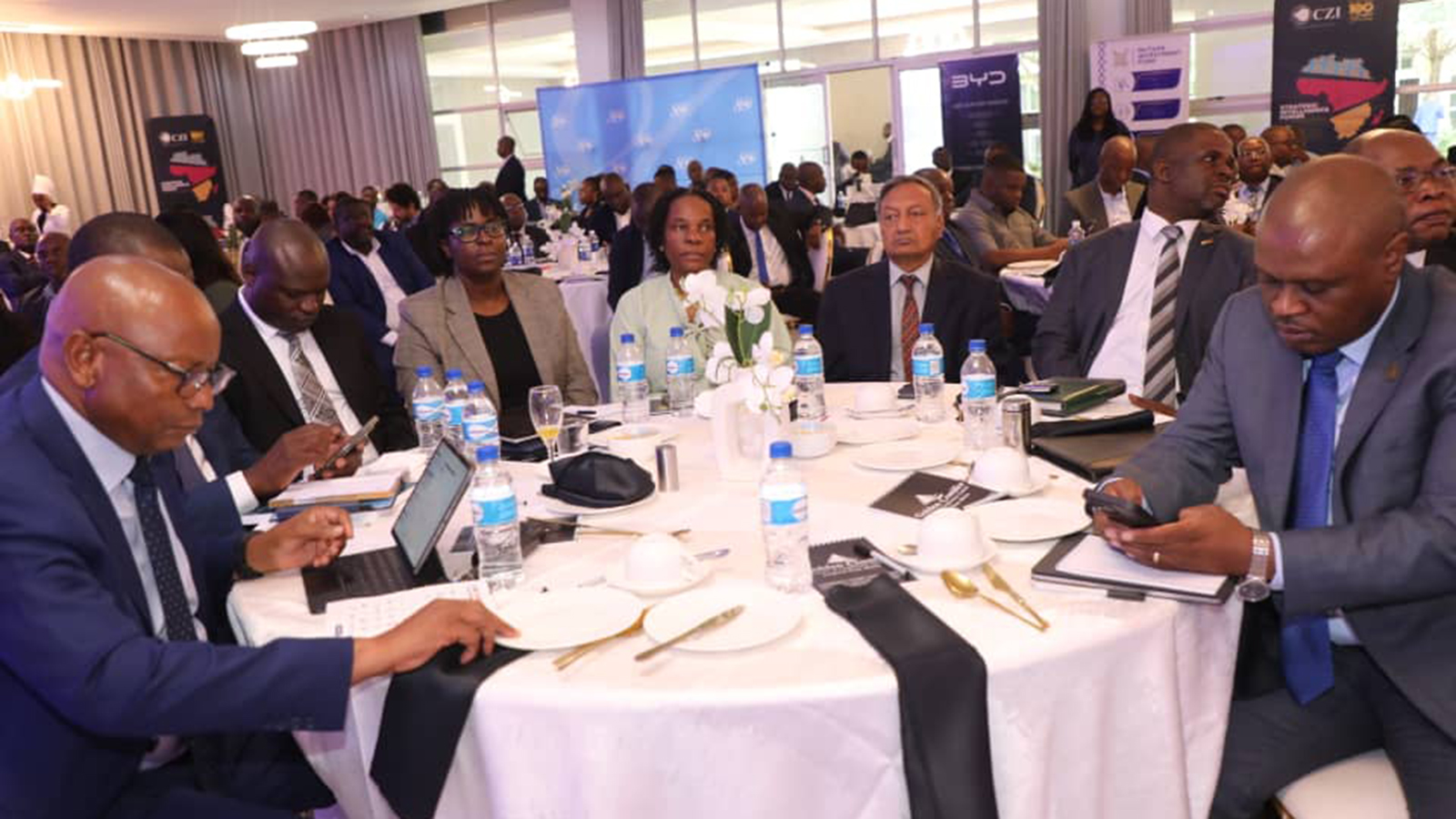
Packed house as business leaders unite
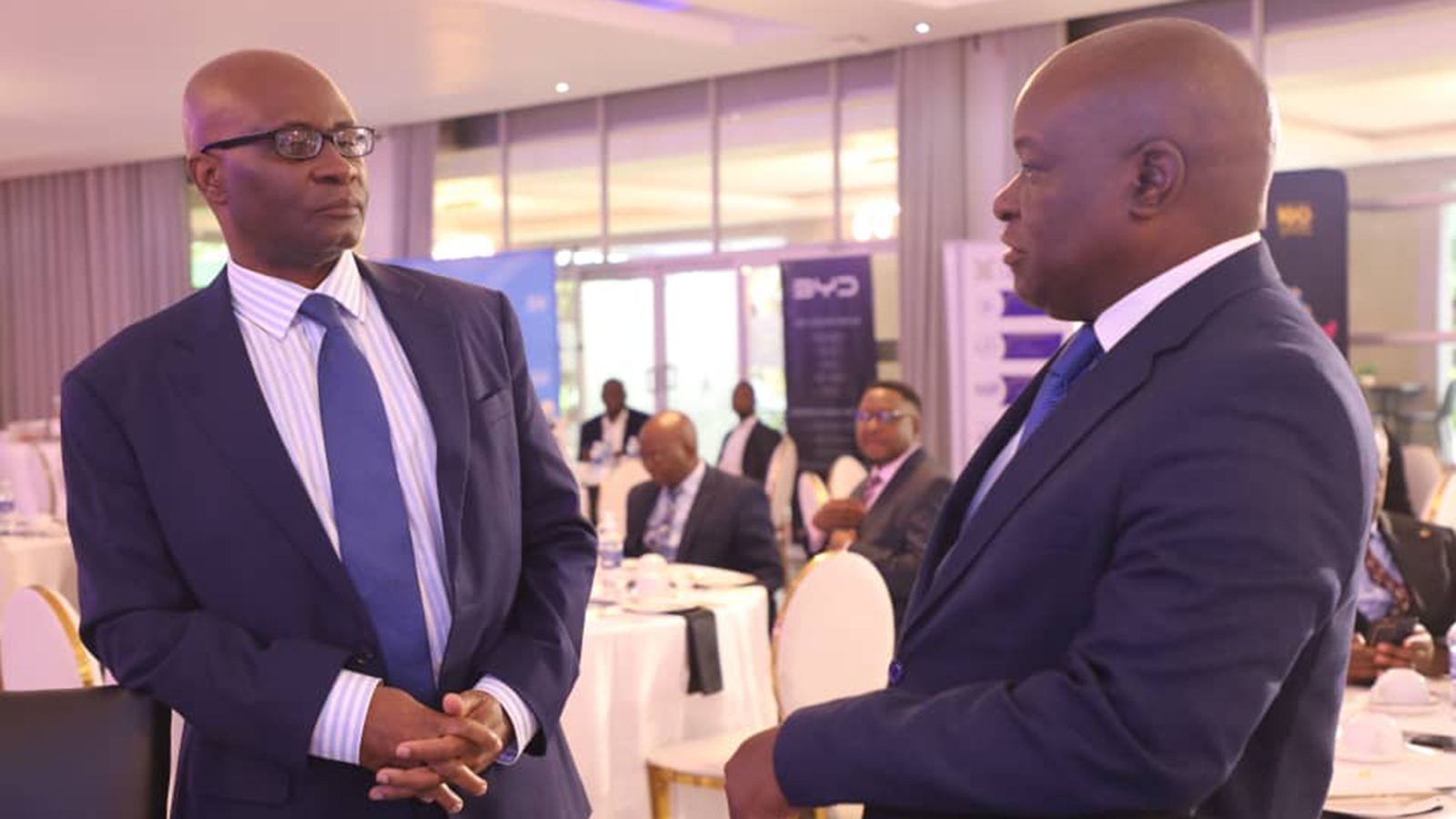
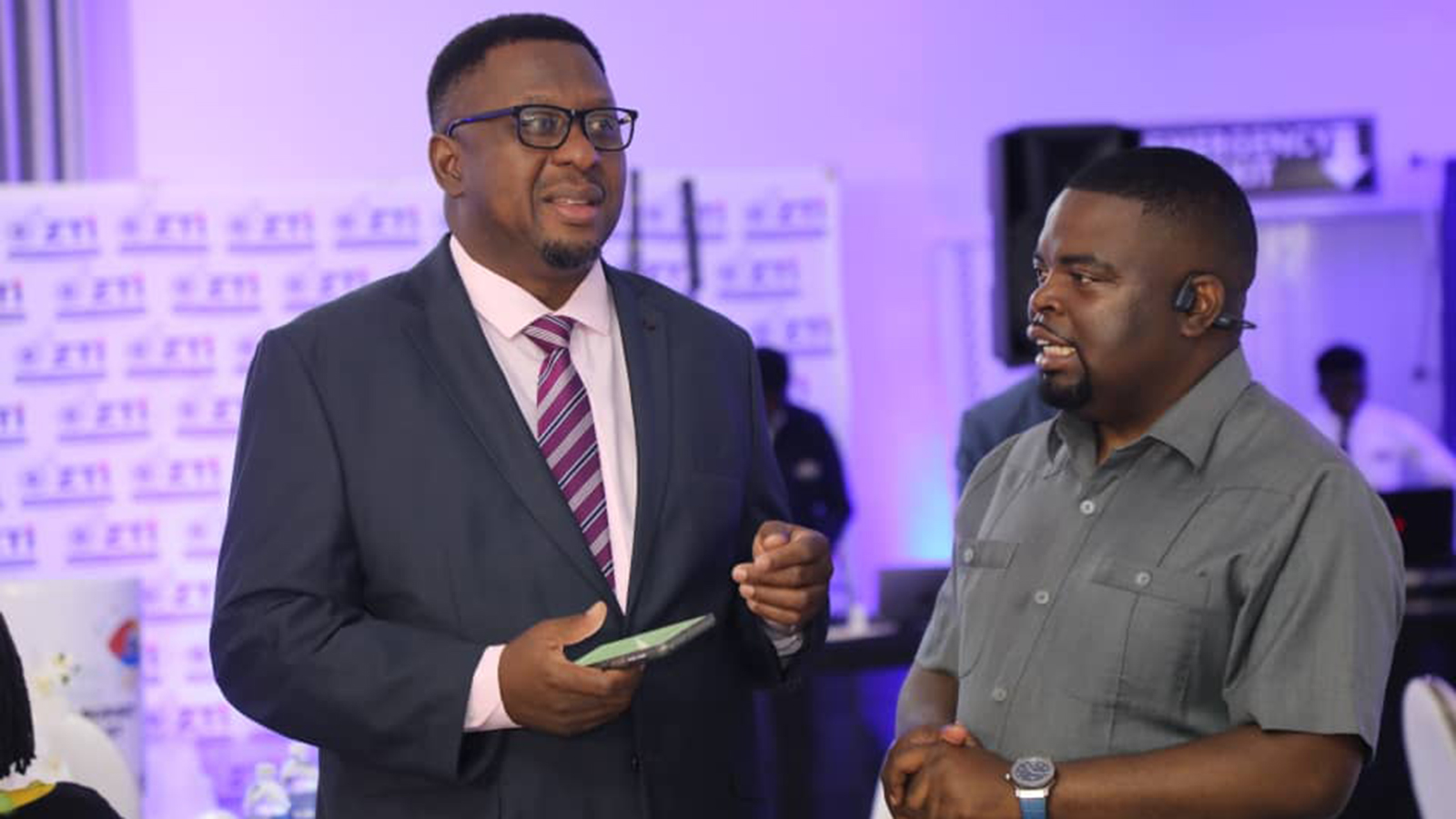
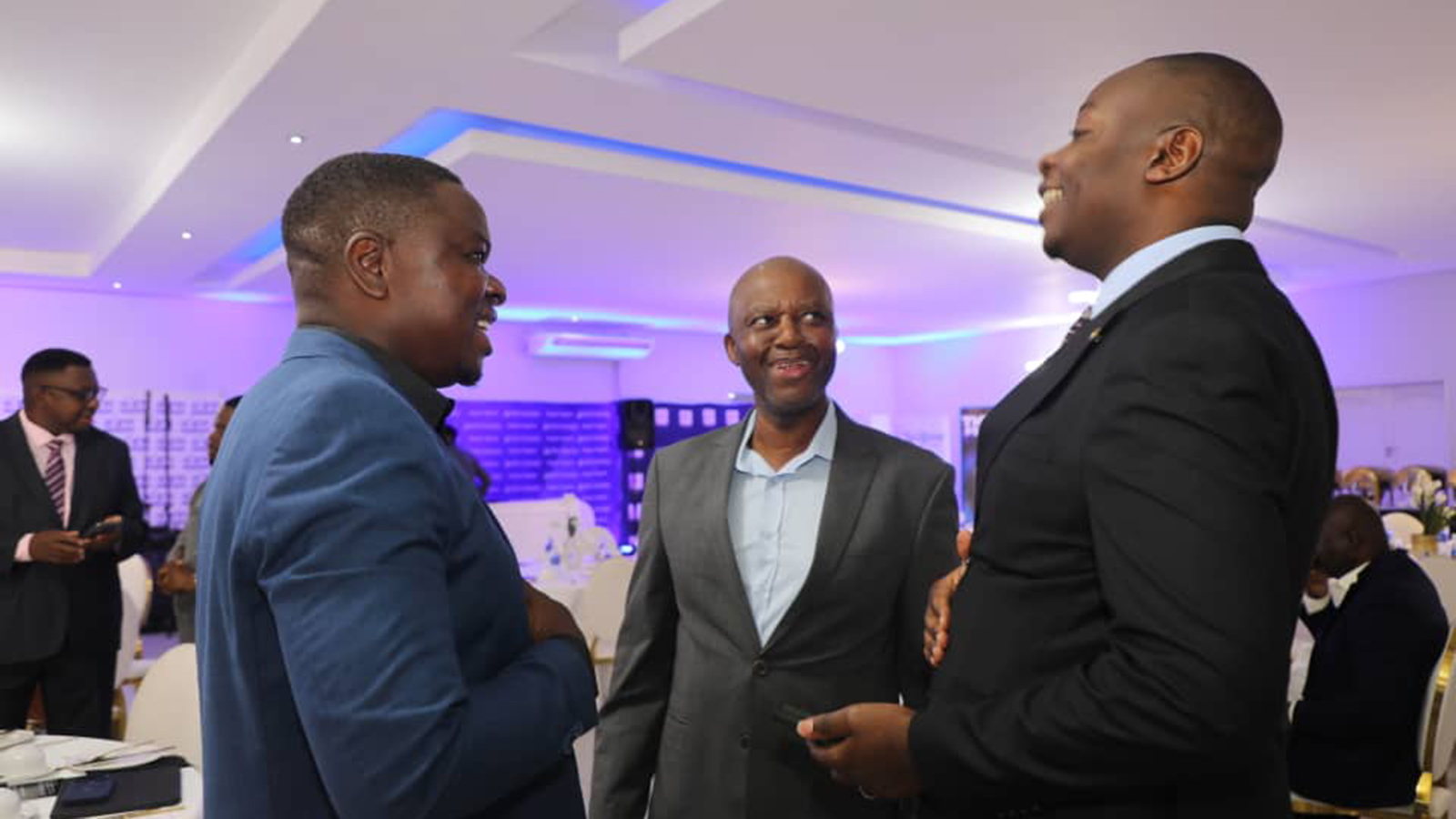
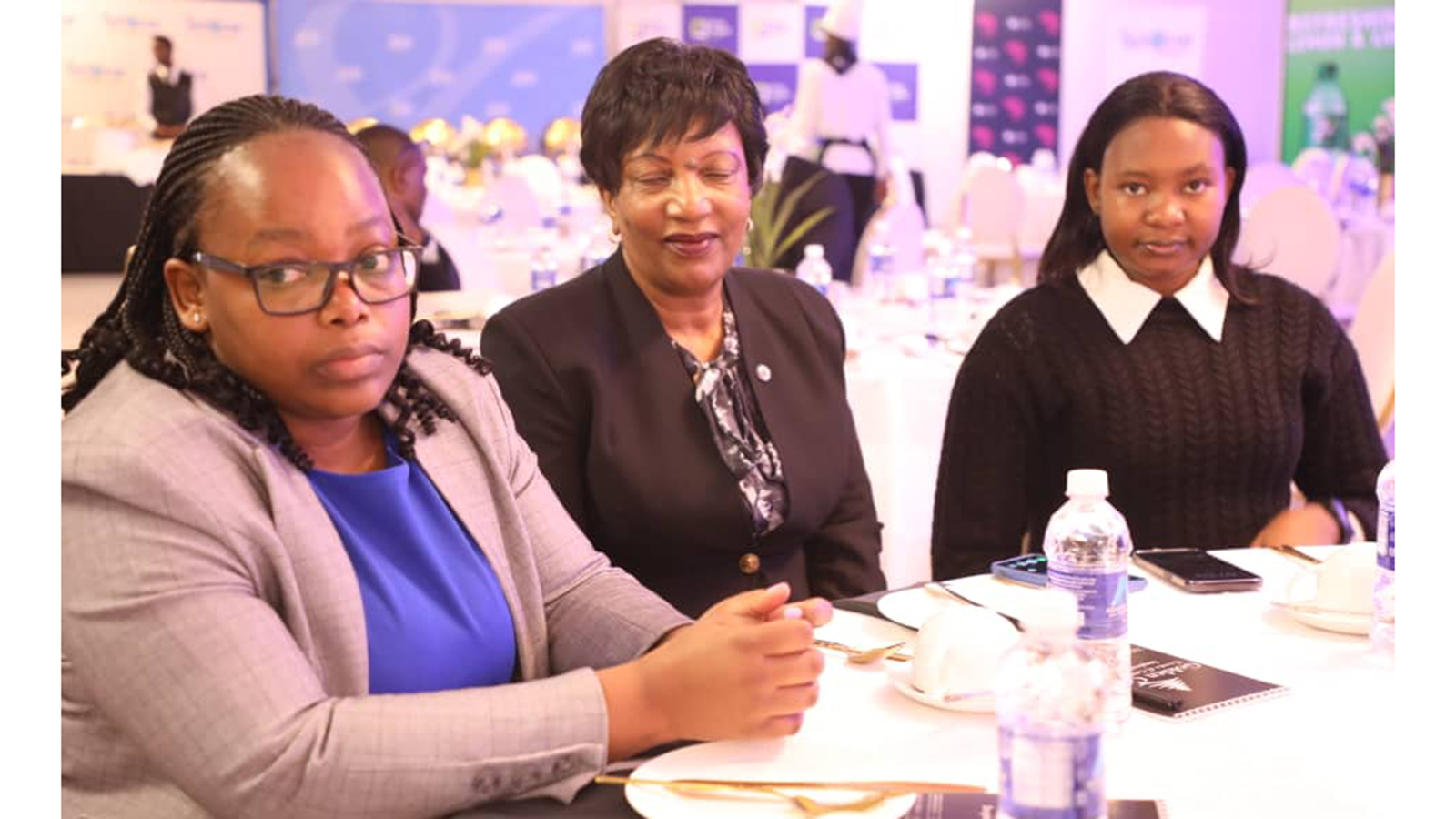
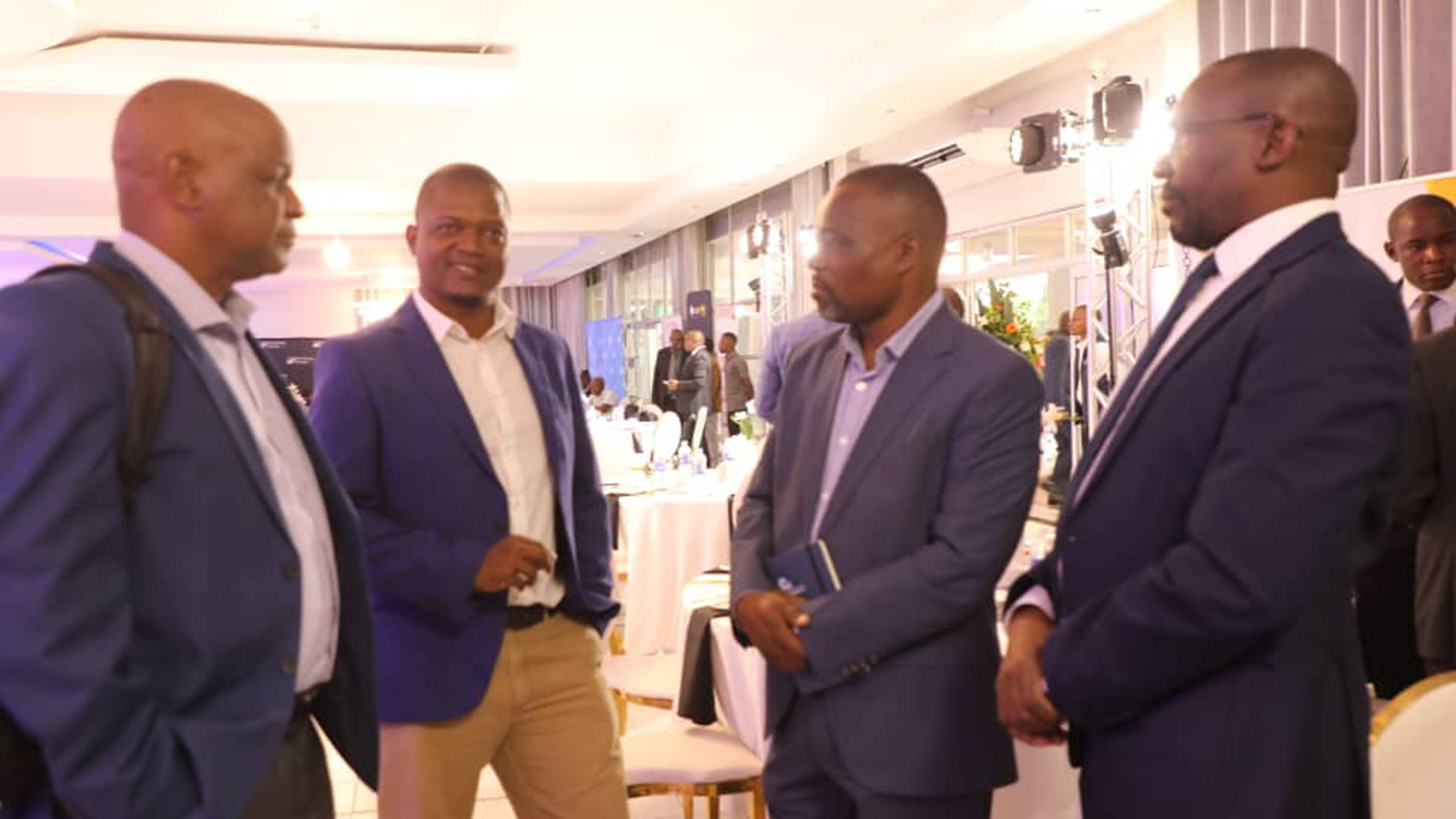
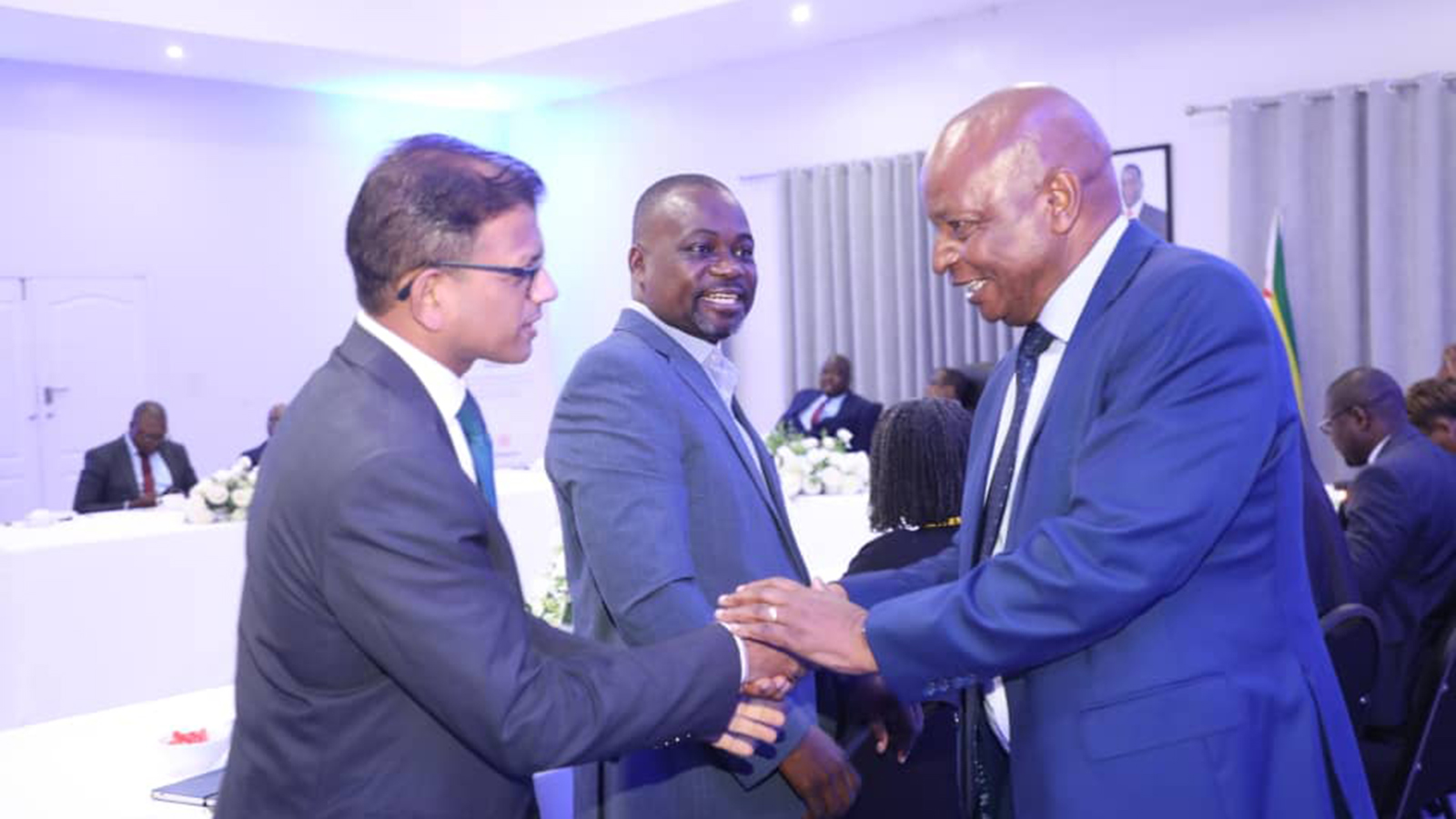
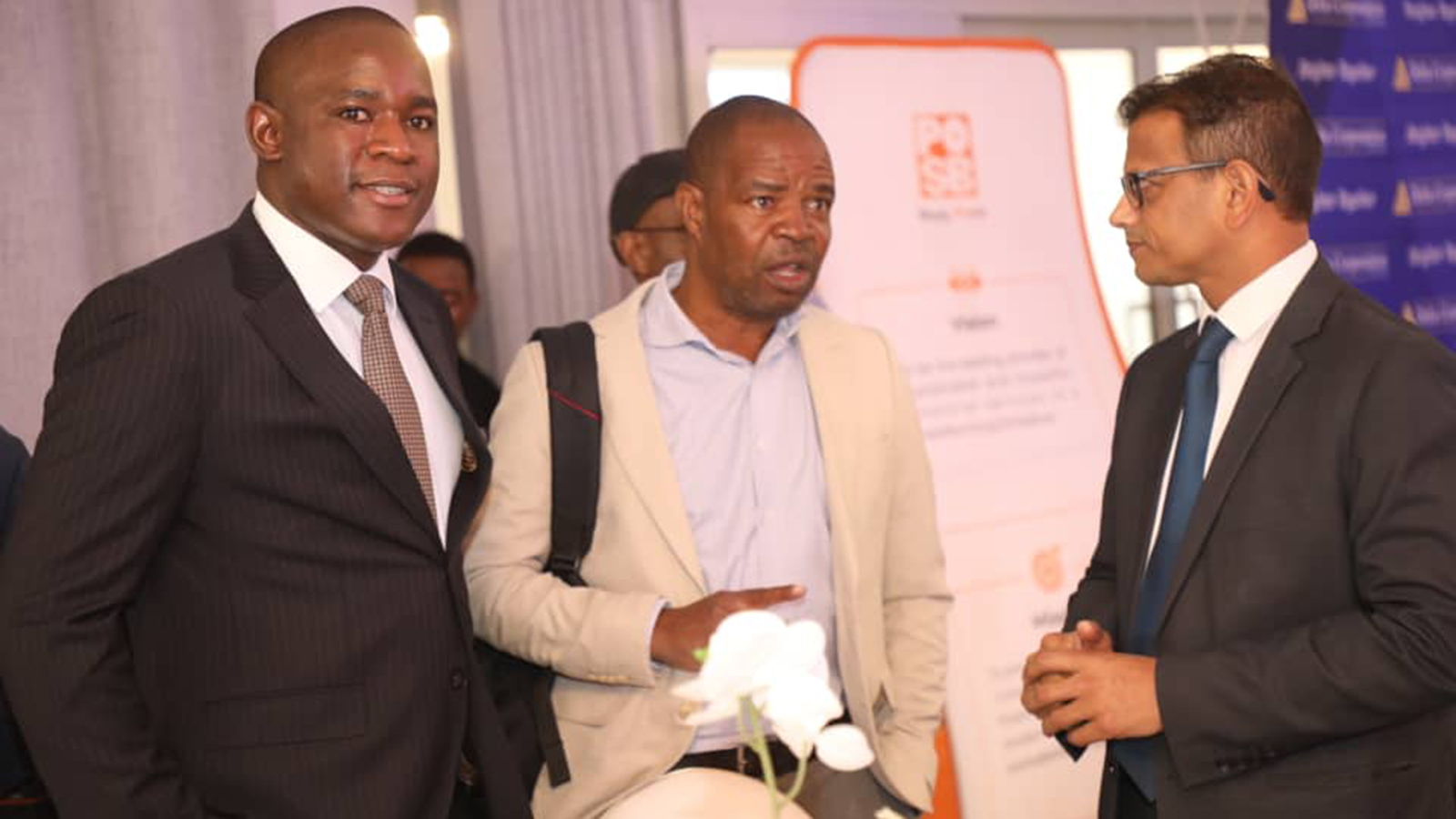
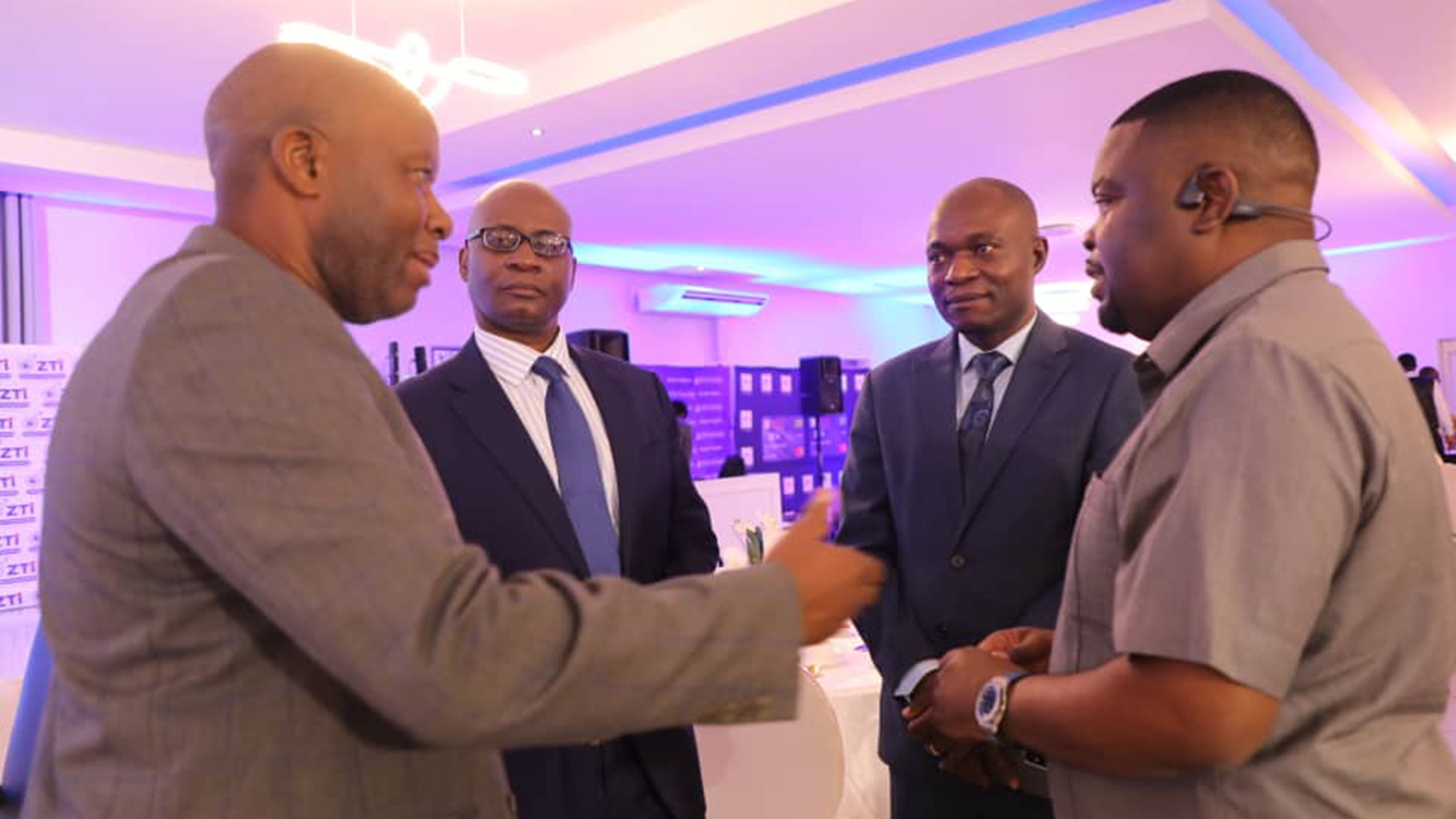
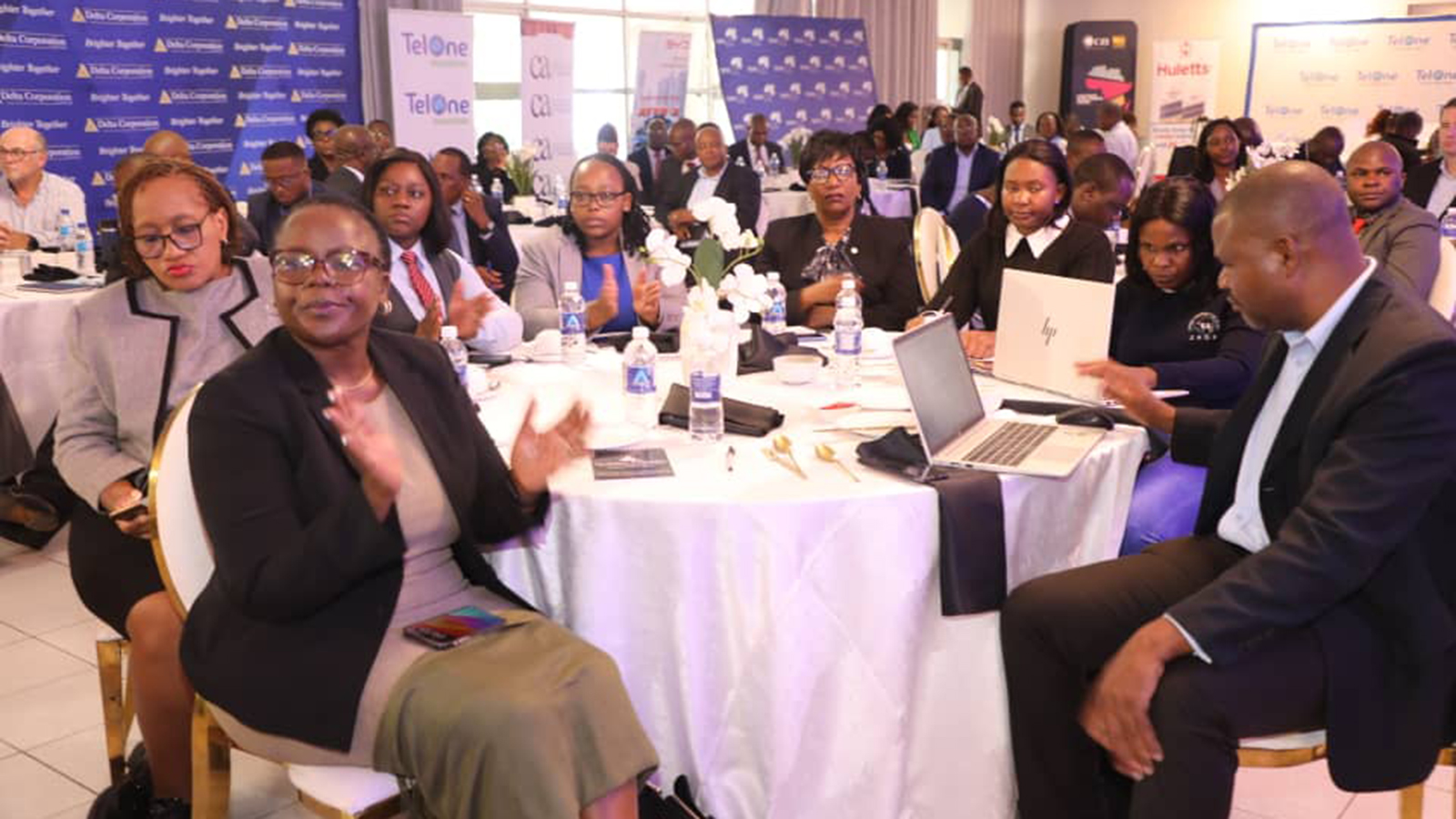
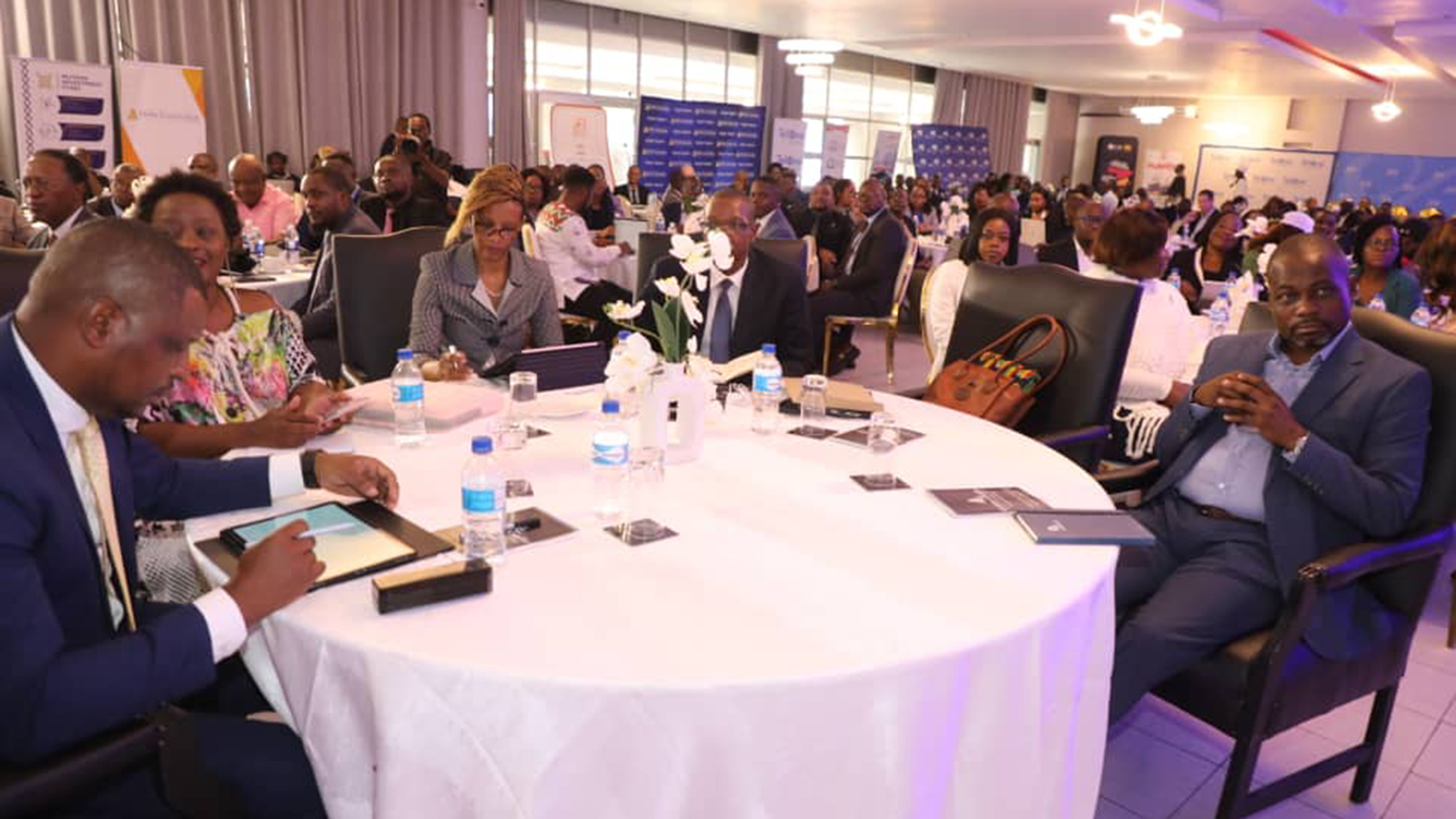
Business professionals have turned out in impressive numbers for the post-budget breakfast meeting, showcasing a vibrant mix of industry leaders, entrepreneurs, and visionaries eager to engage in vital discussions about Zimbabwe’s economic trajectory.
The venue is buzzing with energy as representatives from various sectors, including finance, manufacturing, and technology, mingle and exchange ideas.
Many are keen to explore how the budget will influence their operations, drive innovation, and foster sustainable growth amid a dynamic economic landscape.
This gathering not only represents an opportunity to absorb insights from Government officials but also serves as a platform for networking and collaboration among peers.



CZI Commends Government Reforms,
The Confederation of Zimbabwe Industries (CZI) has called on the Government to indicate clear milestones for the country’s de-dollarisation roadmap, saying industry requires structured and time-bound targets.
In his welcome remarks, CZI president Mr Much Mukanganwi said formalising the milestones will enhance predictability for industry, investors, and financial institutions, allowing for more informed planning as Zimbabwe moves toward strengthening its local currency.
“We would like the Government to consider legislating specific milestones as we move towards full de-dollarisation,” he said. “Moving away from a single long-term deadline to clear, measurable steps will support confidence and clarity within the market,” he said.
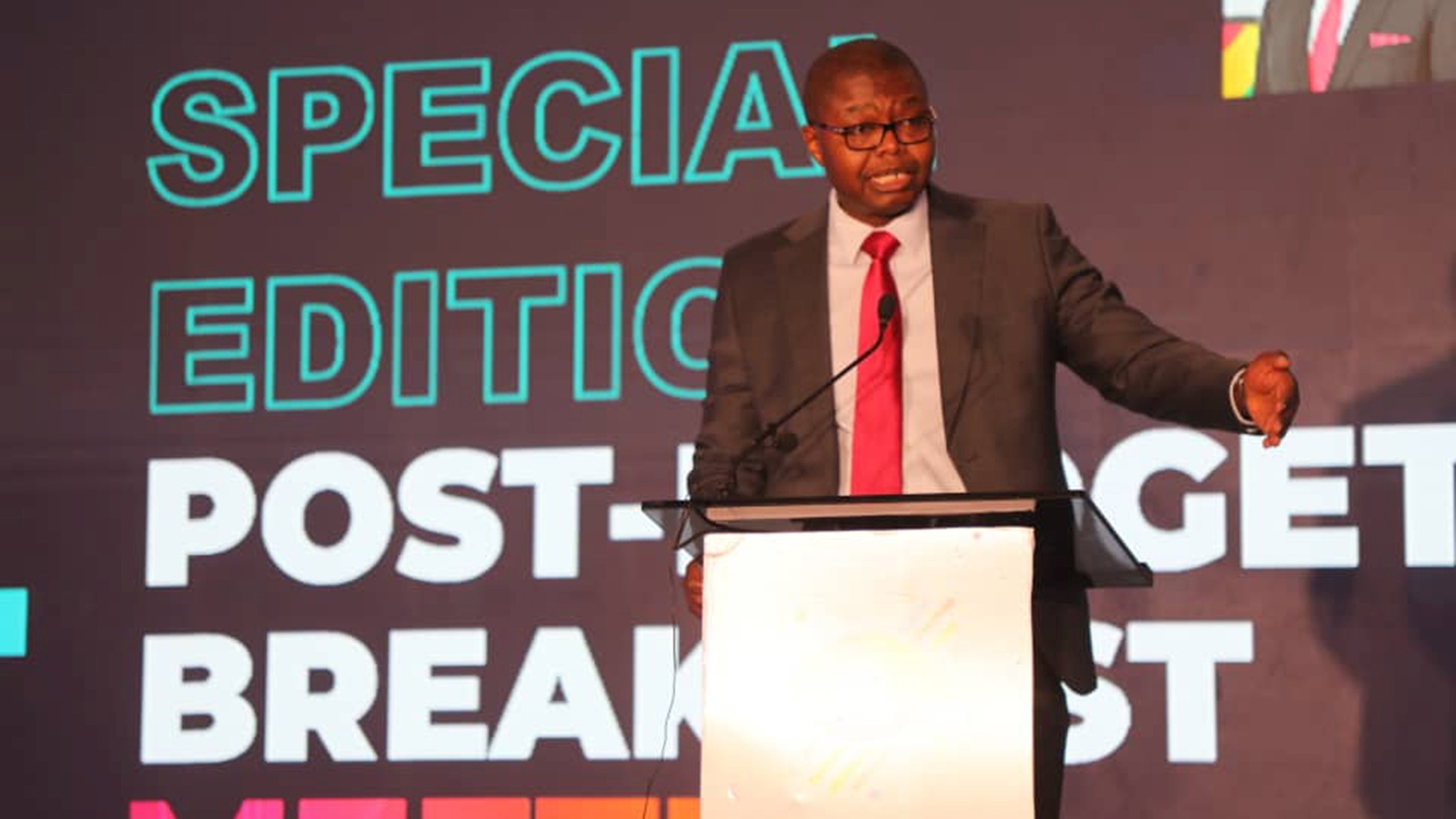
Mr Mukanganwi commended the Government for implementing a raft of economic measures that have significantly contributed to macro-economic stability and improved the ease of doing business.
He noted that reforms introduced in recent months—including disciplined fiscal management and streamlined business regulations—have strengthened business confidence and supported growth in productive sectors.
“We are encouraged by the Government’s commitment to creating a predictable and supportive economic landscape,” he said. “These measures are beginning to yield positive results for the industry.”
With inflation largely contained, Mr Mukanganwi said the next phase of economic reform should prioritise deepening financial markets.



 Blessing Chizhande