Online Reporter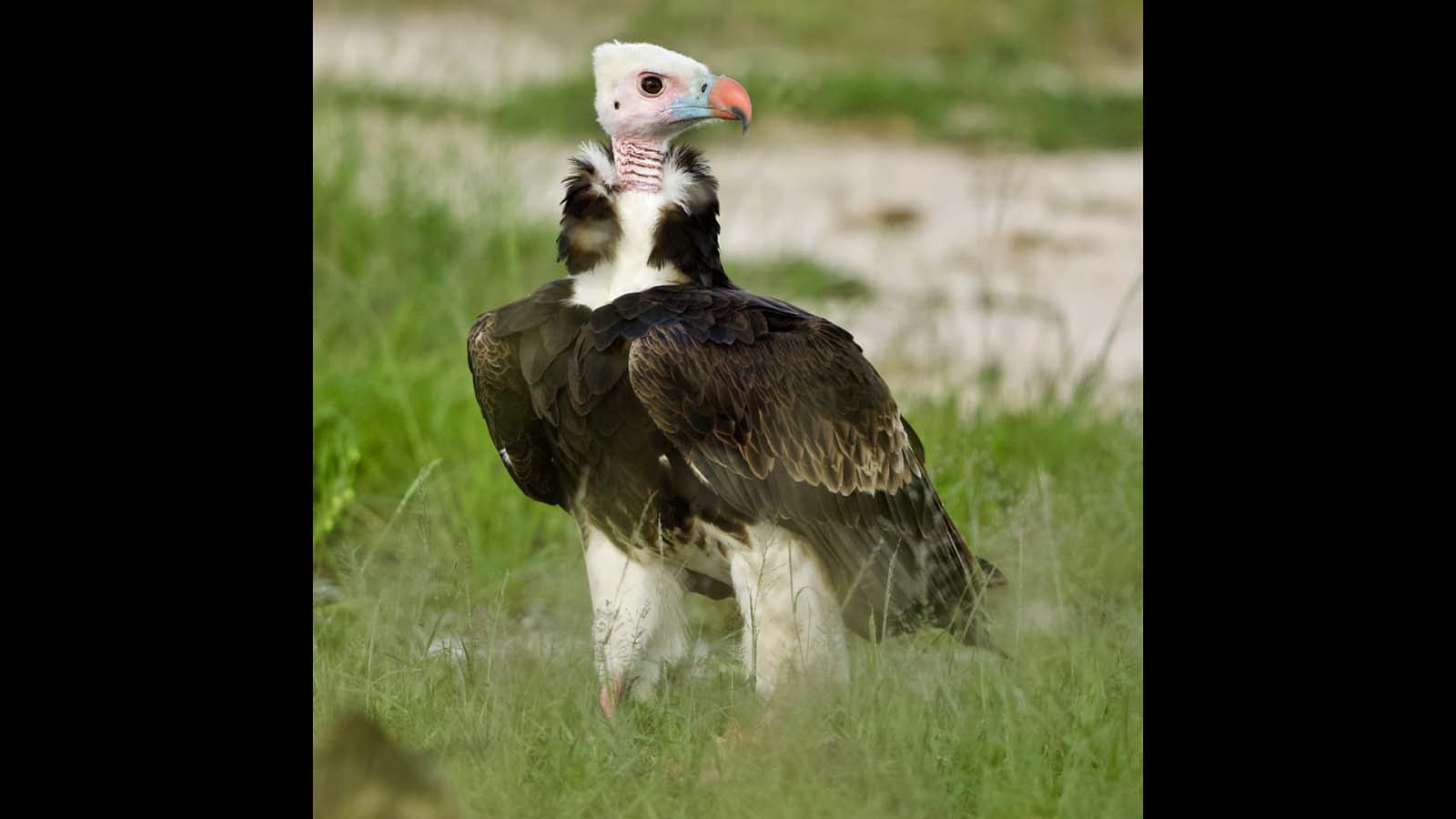
Ivan Zhakata
Herald Correspondent
THE Zimbabwe Parks and Wildlife Management Authority (ZimParks) has intensified efforts to protect the country’s threatened vulture populations amid growing threats from poisoning, habitat loss, illegal killing and other human activities.
The authority’s spokesperson, Mr Luckmore Safuli, said this as Zimbabwe joins the rest of the world in commemorating World Vulture Day 2026.
Mr Safuli said vultures played a critical role in maintaining healthy ecosystems through the removal of animal carcasses and recycling of nutrients.
“Vultures play an essential ecological role as nature’s cleanup crew by rapidly removing carcasses, recycling nutrients, and helping to reduce the spread of disease,” he said.
Zimbabwe is home to several globally threatened vulture species, including the White-backed, White-headed, Hooded and Lappet-faced vultures.
Mr Safuli said the birds were facing increasing threats from poisoning linked to human-wildlife conflict, habitat loss caused by land-use changes, collisions with energy infrastructure, illegal killing, reduced food availability and use in traditional rituals.
“These pressures undermine both vulture survival and the ecological services they provide,” he said.
To address the threats, Zimbabwe has developed the Zimbabwe Vulture Action Plan, which provides a framework for research, monitoring, habitat protection, threat reduction and awareness programmes.
The Zimbabwe Parks and Wildlife Act also lists 13 raptor species as “Specially Protected”.
Mr Safuli said Zimbabwe’s accession to the Convention on Migratory Species Raptors Memorandum of Understanding has further strengthened efforts to protect migratory raptors through species-specific action plans and regional cooperation.
The country has also adopted the Zimbabwe Lead Strategy, which seeks to reduce the risks associated with lead poisoning from ammunition and other sources.
“By promoting non-lead alternatives and safe disposal practices, this strategy reduces contamination in carcasses and ecosystems, directly benefiting scavengers such as vultures,” said Mr Safuli.
Zimbabwe will further demonstrate its commitment to raptor conservation when it hosts the Fourth Meeting of Signatories to the Raptors MoU in Victoria Falls from November 29 to December 3, 2026.
The meeting is expected to bring together governments, scientists and conservation partners to strengthen conservation measures and share best practices on protecting migratory raptors across Africa and Eurasia.
Mr Safuli urged Zimbabweans to play their part in protecting vultures, particularly by preventing poisoning, safeguarding breeding sites and supporting conservation monitoring programmes.
“Protecting vultures requires vigilance and collective action: preventing poisoning, reducing ritual use, safeguarding breeding sites, expanding monitoring and empowering communities to participate in conservation,” he said.
Mr Safuli said Government, civil society, the private sector and local communities all have a role to play in ensuring the survival of vultures and other raptors.
“By working together, we can ensure that vultures and other raptors continue to thrive, securing healthy ecosystems and a sustainable future for generations to come,” he said.