Online Reporter
Rutendo Nyeve,Victoria Falls Reporter
THE Zimbabwe Parks and Wildlife Management Authority (ZimParks) is pushing for Lake Kariba to be designated as a Ramsar site, a move that would recognise its ecological significance and bolster conservation efforts.
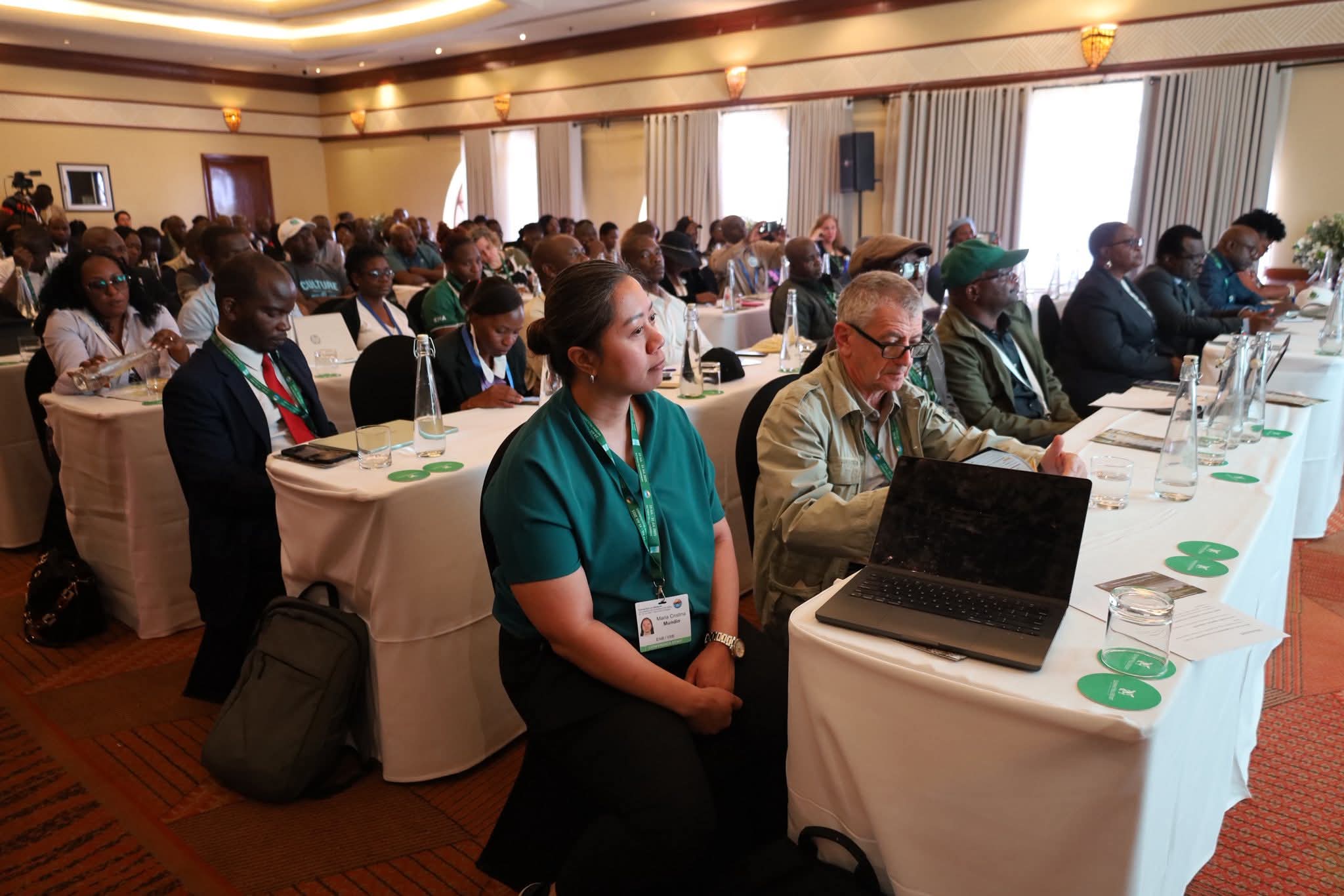
The proposal was made by ZimParks Director General, Professor Edson Gandiwa, during a side event at the ongoing COP 15 meeting, where he outlined Zimbabwe’s commitment to wetland preservation.
Lake Kariba, the world’s largest man-made reservoir by volume, is a biodiversity hotspot supporting over 20 fish species, including the IUCN-listed Oreochromis mortimeri, and serves as a critical habitat for waterbirds such as cormorants and African fish eagles.
Its transboundary significance, cultural value, and role in sustaining fisheries and local livelihoods make it a prime candidate for Ramsar designation.

“Lake Kariba embodies the principles of the Ramsar Convention, which emphasises the wise use of wetlands. Its inclusion would not only enhance its protection but also align with our national and international conservation goals,” said Prof Gandiwa.
Zimbabwe currently boasts seven Ramsar sites, four of which are directly managed by ZimParks. These include Mana Pools National Park, Victoria Falls National Park, Chinhoyi Caves Recreational Park, and Lake Chivero and Manyame Recreational Park.
The remaining sites—Driefontein Grasslands, Cleveland Dam, and Monavale Vlei—are conserved through collaborative efforts with communities and other stakeholders under the Other Effective Area-based Conservation Measures (OECMs) framework.
Professor Gandiwa said ZimParks has a multifaceted approach to preserving these sites, which includes rigorous law enforcement, community engagement, and sustainable utilisation practices.
“Our mandate, derived from the Parks and Wildlife Act, compels us to protect these vital ecosystems while balancing ecological integrity with socio-economic benefits,” he said.
Key strategies include anti-poaching patrols to combat illegal fishing and habitat encroachment, hydrological monitoring to track ecosystem health, and habitat restoration initiatives. ZimParks also collaborates with academic institutions and NGOs to conduct biodiversity surveys and implement climate change adaptation measures.
At Mana Pools and Lake Chivero, sustainable ecotourism activities like birdwatching and regulated fishing generate revenue that is reinvested into conservation.
“We adhere strictly to carrying capacities and involve local communities in decision-making to ensure long-term sustainability,” he said.
Despite these efforts, challenges such as pollution, invasive species, and inadequate funding persist.
Urban expansion near Lake Chivero and agricultural runoff threaten water quality, while climate change alters hydrological patterns.
To address these issues, ZimParks is strengthening partnerships, enhancing research, and advocating for sustainable financing.
The proposed Ramsar status for Lake Kariba marks a significant step in Zimbabwe’s conservation journey.
“Our vision is a network of resilient wetlands that benefit both people and nature. With collective action, we can safeguard these irreplaceable ecosystems for future generations,” he said.
As Zimbabwe advances its wetland conservation agenda, the recognition of Lake Kariba as a Ramsar site would underscore the country’s dedication to preserving its natural heritage amid global environmental challenges.